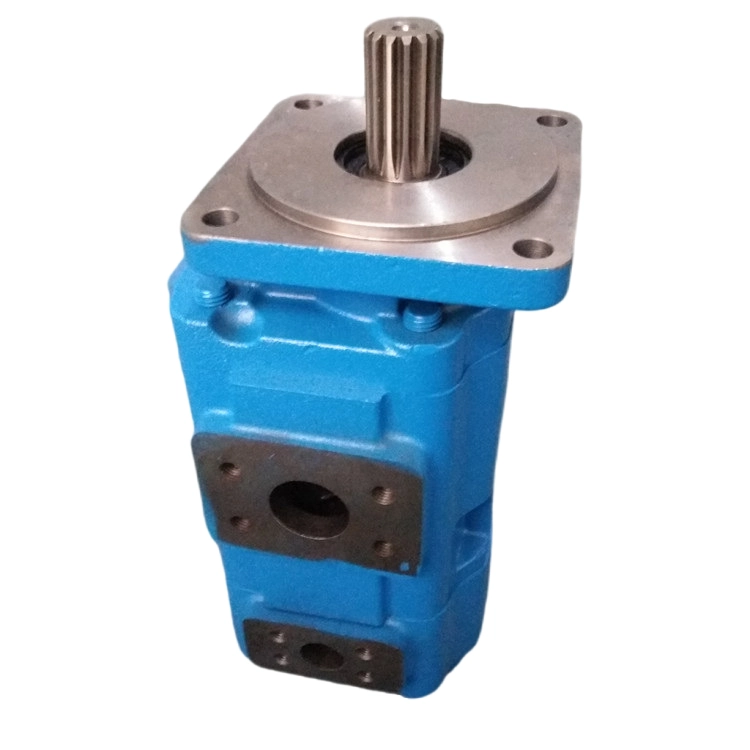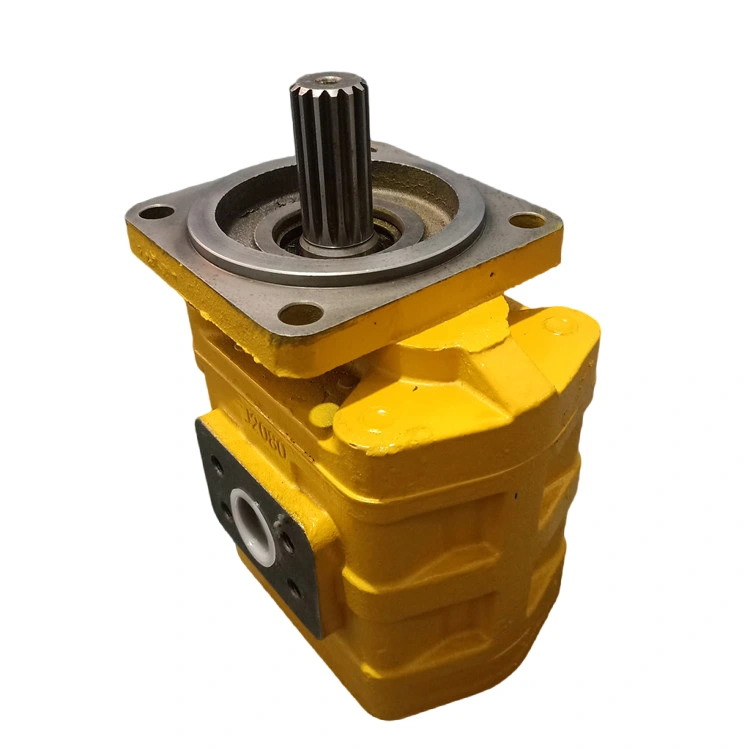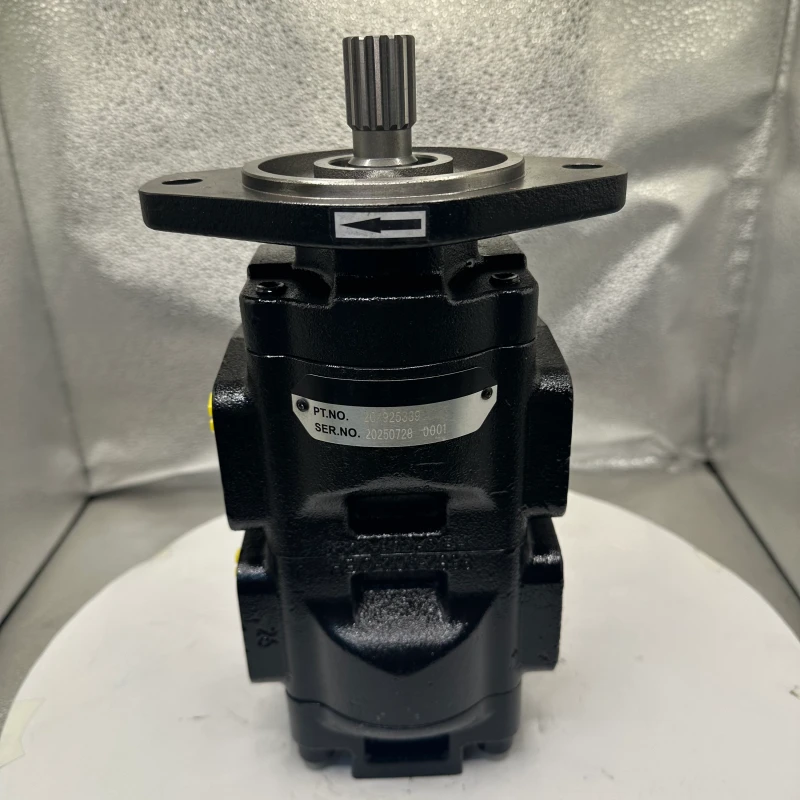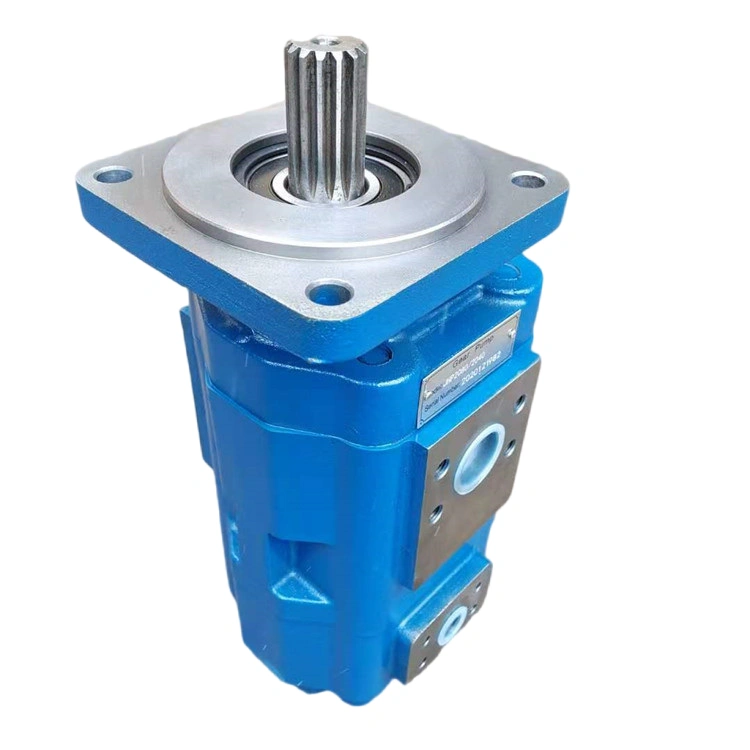

It's easy to overlook pump selection as a minor detail — until something goes wrong. Globally, unplanned downtime and wasted energy cost industries roughly $30 billion a year, and you'd be surprised how often the root cause comes down to picking the wrong pump. If you're working with hydraulic systems on a production floor, handling fluid transfer at a refinery, or keeping mobile equipment running out in the field, the choice between a vane pump and a gear pump matters more than most people think. Get it right, and your system runs smoothly for years. Get it wrong, and you're looking at performance headaches, reliability issues, and budget overruns that add up fast.
This guide delivers a complete hydraulic pump comparison grounded in real-world data, engineering principles, and decades of field experience. By the end, you'll have a clear framework for selecting the right positive displacement pump for your exact application.
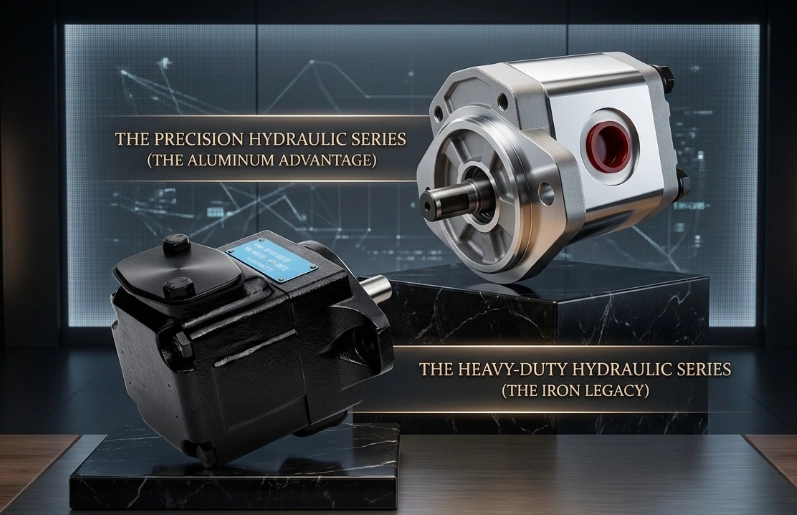
Understanding Positive Displacement Pumps
What Are Positive Displacement Pumps?
Positive displacement pumps operate on a simple but powerful principle: they trap a fixed volume of fluid in an enclosed chamber and force it from the inlet to the outlet with each mechanical cycle. Unlike centrifugal pumps that rely on velocity to move fluid, positive displacement pumps deliver consistent flow regardless of system pressure.
Both vane pumps and gear pumps belong to this family. They share the characteristic of delivering a predictable volume per revolution, making them ideal for applications requiring precise flow control or the ability to handle varying pressures without significant flow loss.
The rotary pump applications for these two designs overlap in many areas, yet their internal mechanics create distinct performance profiles that matter enormously in practice.
Why the Vane Pump vs Gear Pump Decision Matters
Selecting the wrong pump type doesn't just reduce efficiency; it cascades into higher energy bills, accelerated wear, increased maintenance frequency, and premature system failure. A gear pump forced into a low-viscosity, noise-sensitive application will generate excessive sound and wear. A vane pump pushed beyond its pressure rating will suffer rapid vane degradation and internal leakage.
The downstream impact touches every operational metric: energy consumption can vary by 15–20% between the two designs in mismatched applications. Maintenance intervals can shrink from quarterly to monthly. System longevity can drop from a decade to just a few years.
Understanding the vane pump working principle alongside the gear pump working principle gives engineers and procurement teams the knowledge to avoid these costly mistakes.
Vane Pump Working Principle
Internal Mechanics of a Vane Pump
A vane pump operates by housing a slotted rotor inside an eccentric cam ring. As the rotor spins, rectangular vanes slide outward from their slots due to centrifugal force and hydraulic pressure, maintaining contact with the cam ring's inner surface.
This arrangement creates expanding chambers on the inlet side that draw fluid in, and contracting chambers on the outlet side that push fluid out. The vane pump working principle relies on the precise seal between each vane tip and the cam ring to maintain volumetric efficiency.
The geometry of the cam ring determines displacement. In variable displacement designs, the cam ring can shift position relative to the rotor, changing the volume of fluid trapped per revolution without altering pump speed.
Types of Vane Pumps
- Fixed displacement vane pumps – The cam ring is stationary, delivering a constant volume per revolution. These are simpler, less expensive, and well-suited to applications with steady flow demands.
- Variable displacement vane pumps – The cam ring position adjusts automatically or through external controls, allowing flow output to change without varying motor speed. This delivers significant energy savings in systems with fluctuating demand.
- Balanced vane pumps – Feature an elliptical cam ring with two inlet and two outlet ports positioned opposite each other. This design cancels radial bearing loads, extending bearing life and enabling higher operating pressures.
- Unbalanced vane pumps – Use a circular cam ring offset from the rotor center. Simpler construction but subject to side-loading on bearings, limiting pressure capability.
Ideal Operating Conditions
Vane pumps perform best with clean, low-to-medium viscosity fluids in the range of 10–160 cSt. They typically operate at pressures up to 175 bar (2,500 psi) in balanced designs, though some industrial models reach 210 bar.
Temperature ranges generally span -20°C to 80°C for standard configurations. Fluid cleanliness is critical: ISO 4406 cleanliness codes of 18/16/13 or better are recommended to prevent accelerated vane and cam ring wear.
These pumps excel in applications requiring smooth, pulse-free flow and quiet operation, making them a preferred choice in factory environments where noise regulations apply.
Gear Pump Working Principle and Design
How External Gear Pumps Work
External gear pumps use two identical interlocking gears rotating in opposite directions inside a tightly fitted housing. As the gears unmesh at the inlet side, they create a vacuum that draws fluid into the expanding space between the gear teeth and the casing.
The fluid is then carried around the outside of each gear in the pockets formed between adjacent teeth and the pump housing. When the teeth re-mesh at the outlet side, the fluid is squeezed out under pressure. The gear pump working principle is mechanically straightforward, which contributes to its legendary durability.
Gear pump efficiency in external designs benefits from the tight clearances between gear tips and the housing, minimizing internal slip even at elevated pressures.
How Internal Gear Pumps Work
Internal gear pumps feature a smaller external gear (pinion) rotating inside a larger internal gear (rotor). The two gears mesh at one point, and a crescent-shaped separator or partition sits between them on the opposite side, directing fluid flow.
As the gears rotate, fluid fills the expanding spaces between teeth on the inlet side of the crescent and is carried to the outlet side where the spaces contract. Internal gear pumps produce smoother flow with less pulsation than external designs, bridging the gap between gear pump robustness and vane pump smoothness.
These designs handle a wider viscosity range and are gentler on shear-sensitive fluids, making them popular in food processing and chemical applications.
Ideal Operating Conditions
Gear pumps tolerate a broad viscosity range from 1 cSt to over 1,000,000 cSt in specialized designs. Standard hydraulic gear pumps operate comfortably at pressures up to 250 bar (3,600 psi), with some heavy-duty models reaching 300 bar.
Temperature ranges extend from -40°C to 120°C depending on seal materials and fluid type. Gear pumps are more forgiving of contamination than vane pumps, though abrasive particles still accelerate wear on gear faces and bearing surfaces.
Their self-priming capability is excellent, often handling suction lifts of 3–5 meters, making them ideal for applications where the pump sits above the fluid reservoir.
Head-to-Head Performance Comparison
Efficiency and Energy Consumption
The following table presents verified performance data compiled from major manufacturers including Parker Hannifin, Bosch Rexroth, and Eaton, representing typical values across standard industrial product lines.
| Parameter | Vane Pump | Gear Pump |
|---|---|---|
| Volumetric Efficiency | 85–95% | 80–90% |
| Mechanical Efficiency | 80–90% | 85–93% |
| Overall Efficiency | 75–85% | 72–84% |
| Max Pressure Rating | Up to 175 bar | Up to 250 bar |
| Noise Level | 60–70 dB | 70–85 dB |
| Flow Range | 5–250 LPM | 1–600 LPM |
| Typical Lifespan | 15,000–20,000 hrs | 20,000–30,000 hrs |
| Flow Pulsation | Low | Moderate to High |
Vane pumps generally achieve higher volumetric efficiency because the vane-to-cam-ring seal adapts as components wear, maintaining tight clearances over time. Gear pumps compensate with superior mechanical efficiency due to their simpler bearing arrangements and lower friction losses.
In energy consumption terms, a variable displacement vane pump operating a hydraulic press with intermittent demand can reduce electricity costs by 20–30% compared to a fixed displacement gear pump running at full output with excess flow dumped over a relief valve.
Maintenance and Durability
| Factor | Vane Pump | Gear Pump |
|---|---|---|
| Primary Wear Components | Vanes, cam ring, side plates | Gear teeth, bearings, wear plates |
| Sensitivity to Contamination | High | Moderate |
| Self-Priming Ability | Moderate | Excellent |
| Fluid Viscosity Range | 10–160 cSt (optimal) | 1–1,000,000 cSt |
| Repair Complexity | Moderate | Low |
| Spare Parts Availability | Good | Excellent |
| Field Serviceability | Requires clean environment | Can be serviced on-site |
Gear pumps earn their reputation for ruggedness. Their simple construction means fewer failure modes, and when wear does occur, replacement gears and bearings are widely available and inexpensive. Many gear pumps in mobile hydraulic equipment run 25,000+ hours before requiring overhaul.
Vane pumps demand cleaner operating conditions but reward that care with smoother performance. When contamination enters a vane pump, the vanes can stick in their slots, causing immediate and sometimes catastrophic failure. Proper filtration is non-negotiable.
Cost Analysis
A realistic five-year total cost of ownership comparison reveals important differences. The following example uses a 50 LPM, 140 bar hydraulic power unit running 4,000 hours per year in a manufacturing facility.
| Cost Category | Vane Pump (Variable) | Gear Pump (Fixed) |
|---|---|---|
| Purchase Price | $2,800–$4,200 | $1,200–$2,000 |
| Annual Energy Cost | $3,400 | $4,600 |
| Annual Maintenance Cost | $800 | $400 |
| Replacement Over 5 Years | 1 rebuild at $1,500 | 0–1 rebuild at $800 |
| 5-Year Total Cost of Ownership | $25,300–$26,700 | $26,200–$27,800 |
Despite the higher upfront cost, the variable displacement vane pump often achieves lower total cost of ownership in applications with variable demand cycles. The energy savings of $1,200 per year compound significantly over the pump's lifetime.
However, in constant-flow applications or harsh environments where contamination control is difficult, the gear pump's lower purchase price and maintenance simplicity can deliver better overall value.
Rotary Pump Applications by Industry
Where Vane Pumps Excel
- Automotive power steering systems – The smooth, quiet flow of vane pumps makes them the standard choice in passenger vehicles. Over 70% of hydraulic power steering systems use vane pump technology.
- Low-noise hydraulic systems – Manufacturing facilities with noise regulations below 75 dB at the operator station rely on vane pumps to meet compliance without expensive acoustic enclosures.
- Fuel dispensing and transfer – Gas station pumps and aviation refueling systems use vane pumps for their accurate metering and ability to handle thin, volatile fluids safely.
- Chemical metering – Low-viscosity chemical dosing applications benefit from the vane pump's consistent output and low pulsation, ensuring accurate mixing ratios.
- CNC machine tool hydraulics – Precision manufacturing equipment demands the smooth pressure delivery and low noise that vane pumps provide.
Where Gear Pumps Dominate
- Heavy-duty hydraulic equipment – Excavators, loaders, and cranes rely on gear pumps for their ability to handle high pressures, tolerate contamination, and survive harsh operating conditions.
- Oil and lubricant transfer – Gear pump efficiency with medium-to-high viscosity fluids makes them the default for lubrication systems and oil transfer operations.
- Paint and resin handling – The gear pump's ability to move thick, viscous materials without degradation is essential in coating and adhesive applications.
- High-viscosity food processing – Honey, chocolate, molasses, and peanut butter processing lines depend on gear pumps capable of handling viscosities exceeding 10,000 cSt.
- Mobile hydraulics – Agricultural equipment, forestry machines, and utility vehicles use gear pumps for their compact size, self-priming ability, and tolerance of variable operating conditions.
Hydraulic Pump Comparison in Mobile vs Industrial Systems
In mobile hydraulic systems like construction excavators, gear pumps dominate with over 80% market share. A typical CAT 320 excavator uses tandem gear pumps delivering 200+ LPM at 250 bar. The pumps endure temperature swings from -30°C to 50°C ambient, dust contamination, and shock loads that would destroy a vane pump in months.
In contrast, industrial CNC machining centers like those from DMG Mori and Mazak specify vane pumps for their hydraulic clamping and axis-feed systems. The controlled factory environment allows proper filtration, and the 10–15 dB noise reduction compared to gear pumps keeps operator exposure within OSHA limits without additional sound insulation.
A real-world example: a Midwest automotive stamping plant switched from gear pumps to variable displacement vane pumps on 12 hydraulic press units. The result was a documented 24% reduction in electricity consumption and a 40% reduction in noise complaints, with payback achieved in 18 months.
Selection Criteria Decision Framework
Key Questions Before Choosing
Use this decision matrix to match your application requirements to the optimal pump type. Consider each factor in the context of your specific operating conditions.
| Selection Factor | Choose Vane Pump If... | Choose Gear Pump If... |
|---|---|---|
| Noise Sensitivity | Quiet operation required (below 70 dB) | Noise is acceptable or enclosure available |
| Fluid Type | Thin, clean fluids (10–160 cSt) | Thick, viscous, or mildly contaminated fluids |
| Pressure Needs | Below 175 bar is sufficient | Up to 250 bar required |
| Budget Priority | Lower long-term energy costs | Lower upfront capital cost |
| Maintenance Access | Regular service and clean conditions possible | Minimal service preferred or harsh environment |
| Flow Demand | Variable demand cycles | Constant flow requirements |
| Installation Location | Indoor, climate-controlled | Outdoor, mobile, or remote |
| Flow Smoothness | Low pulsation critical | Moderate pulsation acceptable |
Common Mistakes to Avoid
These specification errors consistently lead to premature pump failure, wasted energy, or unnecessary expense:
- Ignoring fluid viscosity at operating temperature – A fluid that's 30 cSt at room temperature may thin to 8 cSt at 80°C, falling below the minimum for reliable vane pump lubrication.
- Oversizing the pump for "safety margin" – An oversized fixed displacement pump wastes energy by dumping excess flow over the relief valve continuously. This generates heat and accelerates fluid degradation.
- Neglecting filtration requirements for vane pumps – Installing a vane pump without upgrading filtration to at least 10-micron absolute is a guaranteed path to early failure.
- Specifying gear pumps in noise-critical environments – Then spending more on acoustic enclosures than the cost difference of a quieter vane pump would have been.
- Choosing based on purchase price alone – A $1,500 gear pump that consumes $1,200 more in electricity annually than a $3,500 vane pump is the more expensive choice by year three.
- Ignoring suction conditions – Vane pumps with marginal self-priming ability installed above the reservoir without a charge pump will cavitate and fail rapidly.
- Using vane pumps with water-glycol fluids without verification – Many standard vane pump materials are incompatible with water-based hydraulic fluids, leading to rapid cam ring erosion.
Frequently Asked Questions
Which is more efficient, a vane pump or gear pump?
Vane pumps typically achieve higher volumetric efficiency (85–95% vs 80–90%) because their vanes self-compensate for wear. However, gear pumps often have better mechanical efficiency (85–93% vs 80–90%). Overall system efficiency depends on the application: variable displacement vane pumps are significantly more efficient in systems with fluctuating demand, while gear pumps match or exceed vane pump efficiency in constant-flow, high-pressure applications.
Can a gear pump replace a vane pump in hydraulic systems?
In many cases, yes, but with trade-offs. A gear pump can typically match the flow and pressure of a vane pump, but it will produce more noise (often 10–15 dB higher), greater flow pulsation, and may require additional dampening components. If the original vane pump was variable displacement, replacing it with a fixed displacement gear pump will also increase energy consumption unless a variable frequency drive is added to the motor.
Which pump type lasts longer?
Gear pumps generally achieve longer service life, typically 20,000–30,000 hours compared to 15,000–20,000 hours for vane pumps. This advantage comes from simpler construction and lower sensitivity to contamination. However, a well-maintained vane pump with proper filtration and clean fluid can match gear pump longevity. The key differentiator is operating environment: gear pumps survive harsh conditions better.
Are vane pumps quieter than gear pumps?
Yes, significantly. Vane pumps typically operate at 60–70 dB, while gear pumps produce 70–85 dB. This 10–15 dB difference represents a perceived doubling of loudness to the human ear. In factory settings where operators work near hydraulic power units for full shifts, this difference often determines which pump type meets occupational noise exposure limits without additional sound insulation.
What fluids are incompatible with vane pumps?
Vane pumps struggle with highly viscous fluids above 160 cSt, as the increased drag prevents vanes from extending properly. They are also problematic with abrasive fluids, fluids containing solid particles, and some water-based hydraulic fluids (water-glycol, HFC types) unless specifically designed with compatible materials. Very low viscosity fluids below 10 cSt can also cause problems by providing insufficient lubrication between vane tips and the cam ring.
Which positive displacement pump is best for high-viscosity fluids?
Gear pumps are the clear winner for high-viscosity applications. Internal gear pumps handle fluids up to 1,000,000 cSt, while external gear pumps manage up to 100,000 cSt effectively. Their positive sealing action between meshing teeth maintains efficiency even with extremely thick fluids like bitumen, heavy oils, polymers, and food products like honey or chocolate. Vane pumps are limited to approximately 160 cSt before performance degrades significantly.
Make the Right Pump Decision for Your Application
The difference between a well-matched pump and a poorly specified one compounds every hour your system runs. Over a five-year lifecycle, that single decision influences tens of thousands of dollars in energy costs, maintenance labor, and production uptime.
Take action now: Download our free Pump Selection Worksheet that walks you through the critical parameters, including fluid viscosity at operating temperature, duty cycle analysis, noise requirements, and total cost of ownership calculations. This tool has helped over 2,000 engineers specify the right pump on the first attempt.
If your application falls between clear-cut categories or involves unusual operating conditions, request a no-obligation consultation with our hydraulic systems engineers. We'll review your specifications and recommend the optimal pump type, size, and configuration backed by application data from similar installations.
Stay informed: Subscribe to our Industrial Hydraulics Newsletter for monthly hydraulic pump comparison guides, maintenance best practices, energy optimization strategies, and early access to new product evaluations. Join 15,000+ engineers and maintenance professionals who rely on data-driven insights to keep their systems running at peak performance.