
Unplanned downtime attributable to hydraulic gear pump degradation represents a significant economic liability, with losses frequently quantified in hundreds of dollars per minute across industrial operations. The ability to identify incipient indicators of hydraulic pump failure is a critical competency that distinguishes proactive, condition-based maintenance from reactive intervention following catastrophic system failure. The following five diagnostic symptoms constitute essential knowledge for maintenance engineering professionals.
Understanding Hydraulic Gear Pump Basics
How Gear Pumps Work Within Hydraulic Systems
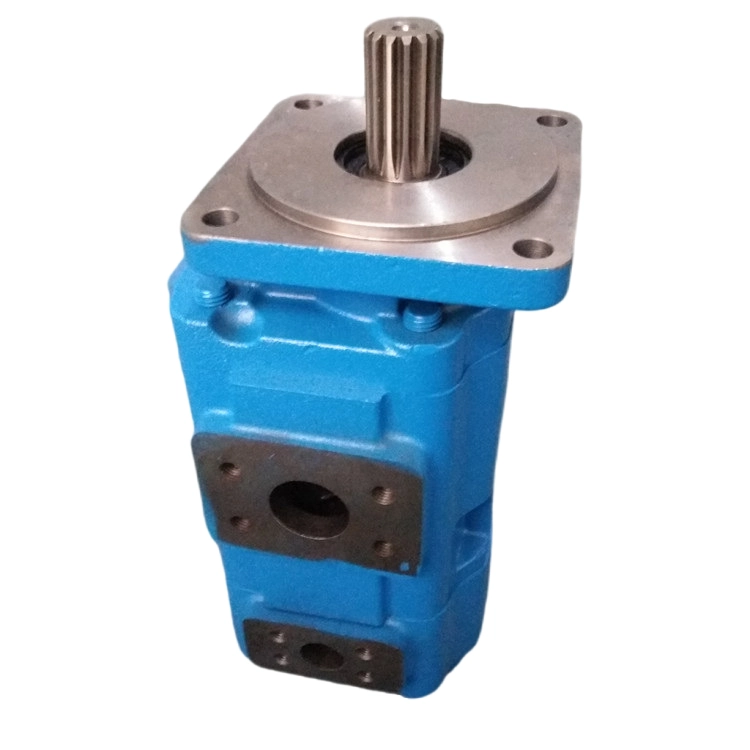
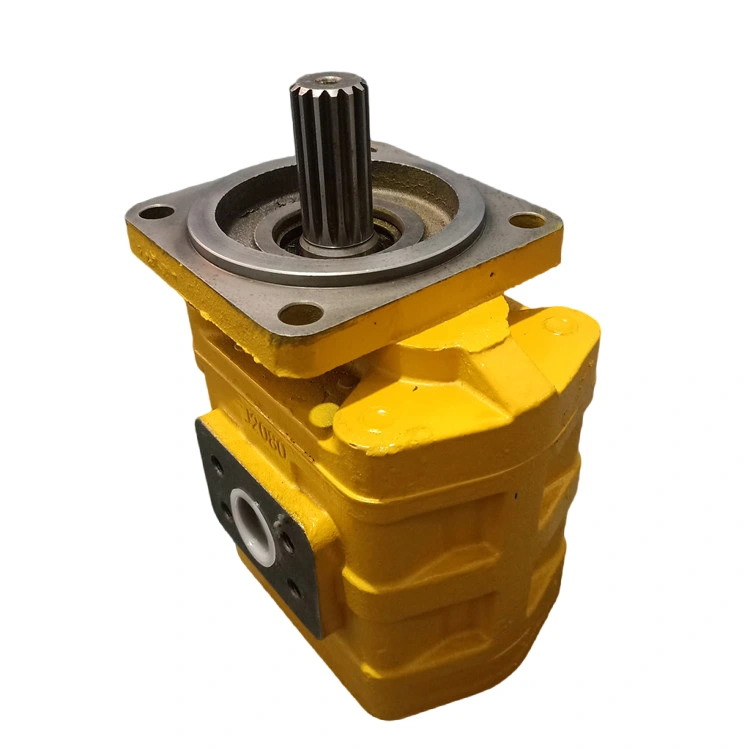
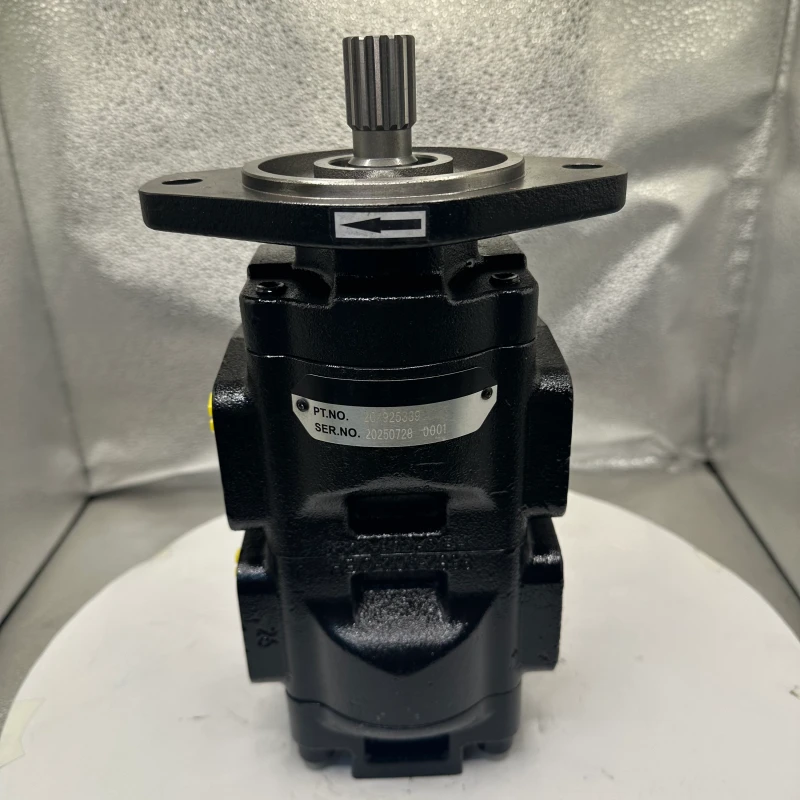
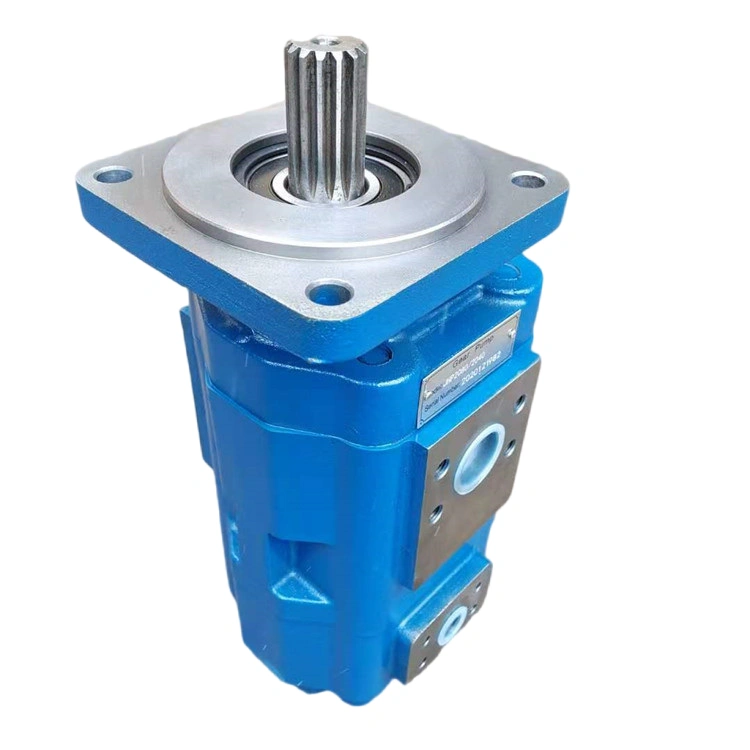
Hydraulic gear pumps convert mechanical energy into hydraulic flow by trapping fluid between meshing gear teeth and the pump housing. As the gears rotate, they carry fluid from the inlet side to the outlet side, generating the consistent flow needed to maintain system pressure.
This positive-displacement design makes gear pumps reliable workhorses in mobile equipment, manufacturing machinery, and material handling systems. Their simplicity is an advantage, but it also means that internal wear directly translates to performance loss.
Why Early Detection of Gear Pump Problems Matters
Delayed gear pump troubleshooting turns minor wear into major failures. A small internal leak that costs a few hundred dollars to repair can escalate into a full pump replacement costing thousands, plus the production losses during extended downtime.
Beyond cost, failing pumps create safety risks. Sudden pressure loss can cause uncontrolled actuator movement, putting operators and equipment in danger. Early detection protects both your budget and your team.
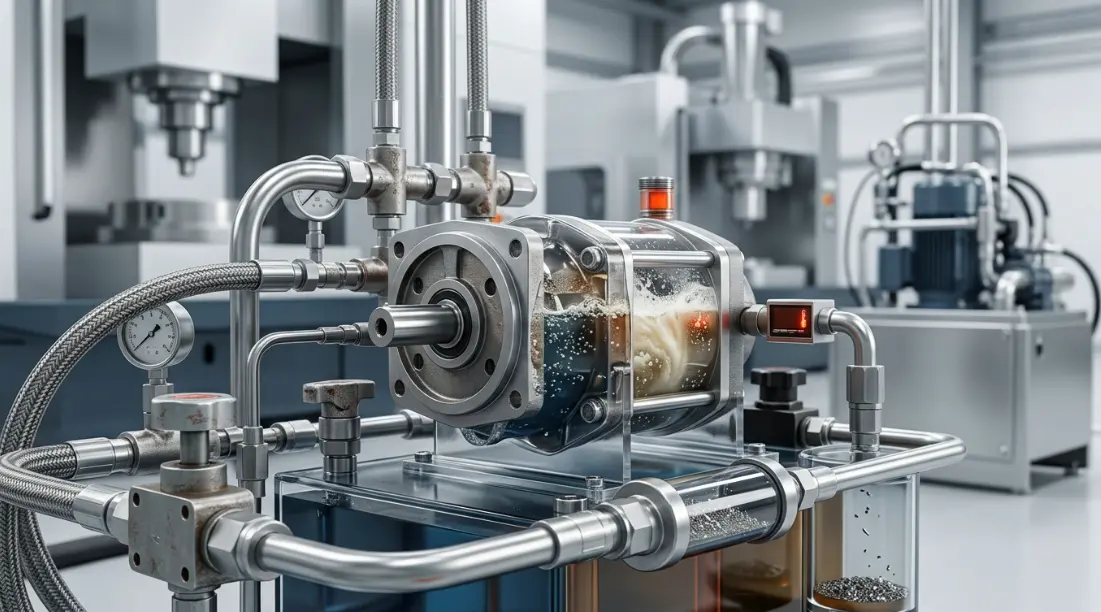
5 Common Symptoms of Hydraulic Gear Pump Problems
Symptom 1 — Unusual Noise and Cavitation
A healthy gear pump produces a steady, low hum. When you hear whining, knocking, or banging sounds, the pump is telling you something is wrong. These are among the most recognizable hydraulic pump failure signs in any system.
A high-pitched whine typically indicates cavitation, where the pump cannot get enough fluid and vapor bubbles form and collapse violently inside the housing. This destroys gear surfaces at an alarming rate.
Air ingress through loose suction fittings or low reservoir levels causes aeration, producing a distinctive rattling or growling noise. Left unchecked, aeration erodes gear faces and side plates within weeks rather than months.
Symptom 2 — Hydraulic System Overheating
When fluid temperatures consistently exceed 180°F (82°C), your gear pump is likely suffering from internal leakage. Worn gears and side plates allow fluid to bypass from the high-pressure side back to the low-pressure side, converting that wasted energy directly into heat.
Hydraulic system overheating creates a destructive feedback loop. Excessive heat thins the fluid, which increases internal leakage, which generates more heat. This cycle accelerates seal degradation and component wear exponentially.
Overheating also breaks down hydraulic fluid additives, reducing the fluid's ability to protect pump surfaces from wear and corrosion. Monitoring temperature trends is one of the most effective early warning strategies available.
Symptom 3 — Slow or Erratic Actuator Movement
When cylinders extend sluggishly or motors respond inconsistently, the root cause often traces back to the gear pump. Reduced flow output means actuators simply cannot move at their designed speed.
Erratic movement is particularly telling. If a cylinder hesitates, surges, or moves at different speeds under similar loads, the pump may be delivering inconsistent flow due to partial gear tooth damage or intermittent cavitation.
These symptoms point to low hydraulic pressure causes within the pump itself. Before replacing valves or cylinders, always verify pump output first. Many unnecessary component swaps happen because technicians overlook the pump as the source.
Symptom 4 — Low System Pressure
Persistent pressure drops despite correctly set relief valves are a clear indicator of internal pump failure. When gear faces wear beyond tolerance, fluid bypasses internally and the pump simply cannot build adequate pressure.
Common low hydraulic pressure causes in gear pumps include worn gear tooth tips, eroded side plate surfaces, and damaged shaft seals. Each allows fluid to escape the high-pressure zone without doing useful work.
A pressure test at the pump outlet port quickly confirms whether the pump is the problem. If pressure is low at the pump but the relief valve is functioning correctly, the pump requires immediate attention.
Symptom 5 — Contaminated or Degraded Hydraulic Fluid
Your hydraulic fluid tells the story of what is happening inside the pump. Metallic particles visible in a fluid sample indicate active gear or bearing wear. A milky or foamy appearance signals water ingress or aeration.
Hydraulic fluid contamination both causes and results from pump problems. Contaminated fluid accelerates wear, and that wear generates more contamination. Breaking this cycle requires addressing both the fluid condition and the pump damage simultaneously.
Darkened or burnt-smelling fluid indicates thermal breakdown, often linked to the overheating cycle described above. Regular fluid sampling provides objective data about pump health long before performance symptoms become obvious.
Symptom Comparison Table
| Symptom | Primary Cause | Severity Level | Immediate Action |
|---|---|---|---|
| Unusual Noise / Cavitation | Air ingress, worn gears | Medium–High | Check suction lines, fluid level |
| System Overheating | Internal leakage, fluid breakdown | High | Inspect pump clearances, check cooler |
| Slow/Erratic Movement | Flow loss, partial blockage | Medium | Verify pump output, check filters |
| Low System Pressure | Seal failure, gear wear | High | Test pressure at pump outlet |
| Fluid Contamination | Metal wear, water ingress | Medium–High | Sample fluid, replace filters |
Root Causes Behind Gear Pump Failures
Wear and Aging Components
Every gear pump has a finite service life determined by operating hours, system pressure, and fluid condition. Under ideal conditions, quality gear pumps deliver 10,000 to 20,000 hours of service. Harsh conditions can cut that lifespan in half.
High-pressure applications accelerate wear on gear tooth faces and bearing surfaces. Continuous duty cycles at or near maximum rated pressure push components toward their fatigue limits faster than intermittent operation.
Improper Fluid Selection and Maintenance
Using fluid with incorrect viscosity is one of the most common yet preventable causes of premature pump failure. Fluid that is too thin cannot maintain the hydrodynamic film between gear faces, causing metal-to-metal contact. Fluid that is too thick increases cavitation risk at the inlet.
Neglected fluid change intervals allow contamination to accumulate beyond filter capacity. This creates an abrasive slurry that grinds away at precision surfaces, contributing to ongoing hydraulic fluid contamination and accelerating every other failure mode.
Installation and Alignment Errors
Shaft misalignment between the pump and its drive motor creates radial loads the pump bearings were never designed to handle. This causes uneven gear wear, premature bearing failure, and shaft seal damage. These are often overlooked hydraulic pump failure signs because the damage develops gradually.
Incorrect suction piping, including undersized lines, excessive bends, or fittings that create turbulence, restricts flow to the pump inlet. This starves the pump and triggers cavitation even when fluid levels appear adequate.
Gear Pump Troubleshooting Quick-Reference Table
| Diagnostic Step | Tool Required | What to Look For |
|---|---|---|
| Pressure test at pump port | Pressure gauge | Readings below spec |
| Flow rate measurement | Flow meter | Reduced GPM output |
| Fluid analysis | Sample kit | Particle count, water content |
| Temperature check | IR thermometer | Temps exceeding 180°F (82°C) |
| Visual inspection | None | Leaks, shaft wear, housing damage |
Preventive Measures to Extend Gear Pump Life
Scheduled Fluid Analysis Programs
Implementing a routine fluid sampling program is the single most cost-effective way to catch pump problems early. Testing every 500 operating hours or quarterly provides trend data that reveals wear patterns long before performance degrades.
Track particle counts, water content, viscosity, and acid number over time. A sudden spike in iron or bronze particles is an early alarm that internal pump surfaces are deteriorating.
Proper Filtration and Contamination Control
Maintain filtration at or below the pump manufacturer's recommended cleanliness level, typically ISO 18/16/13 for gear pumps. Replace filters on a scheduled basis rather than waiting for bypass indicators to trigger.
Seal reservoir breathers, inspect suction strainers, and ensure all connection points are tight. Contamination control is a system-wide discipline, not a single component solution.
Monitoring Operating Temperature and Pressure Trends
Install permanent temperature and pressure gauges at the pump outlet and make readings part of daily operator rounds. Trending this data over weeks and months reveals gradual performance decline that day-to-day observation misses.
Set alarm thresholds at 160°F (71°C) for investigation and 180°F (82°C) for immediate action. For pressure, any sustained drop of more than 10% from baseline warrants gear pump troubleshooting procedures.
Frequently Asked Questions
What is the most common early sign of hydraulic gear pump failure?
Unusual noise, particularly a high-pitched whine, is typically the first detectable symptom of internal wear or cavitation. This sound indicates that the pump is struggling to maintain proper fluid flow, and it often appears weeks or months before measurable performance loss occurs.
Can hydraulic system overheating damage the gear pump permanently?
Yes. Sustained overheating degrades seals, warps housing tolerances, and breaks down fluid viscosity, causing irreversible pump damage. Once internal clearances are distorted by heat, the pump cannot be restored to original specifications without a complete rebuild or replacement.
How often should hydraulic fluid be tested for contamination?
Every 500 operating hours or quarterly, whichever comes first, with immediate testing if any symptoms appear. High-demand applications or harsh environments may require more frequent sampling to catch hydraulic fluid contamination before it causes damage.
What causes low hydraulic pressure in a gear pump system?
Common low hydraulic pressure causes include worn gear faces, damaged seals, relief valve malfunction, or suction-side restrictions. Internal bypass from worn components is the most frequent culprit in pumps with high operating hours, allowing fluid to recirculate without building adequate system pressure.
Is gear pump troubleshooting something in-house teams can handle?
Basic diagnostics like pressure testing, flow measurement, and fluid sampling can be performed by trained in-house maintenance teams. However, internal pump rebuilds typically require specialized hydraulic technicians with access to precision measurement tools and manufacturer specifications.
Take Action Before Your Gear Pump Fails
Don't wait for a complete pump failure to take action. The symptoms outlined above give you a clear roadmap for catching problems early, when repairs are simple and affordable.
Download our free Hydraulic Gear Pump Diagnostic Checklist to give your maintenance team a structured approach to pump health monitoring. Or contact our technical team today for a comprehensive system health assessment.
Early intervention saves thousands in unplanned downtime and replacement costs. Start monitoring your gear pump symptoms today and keep your hydraulic systems running at peak performance.