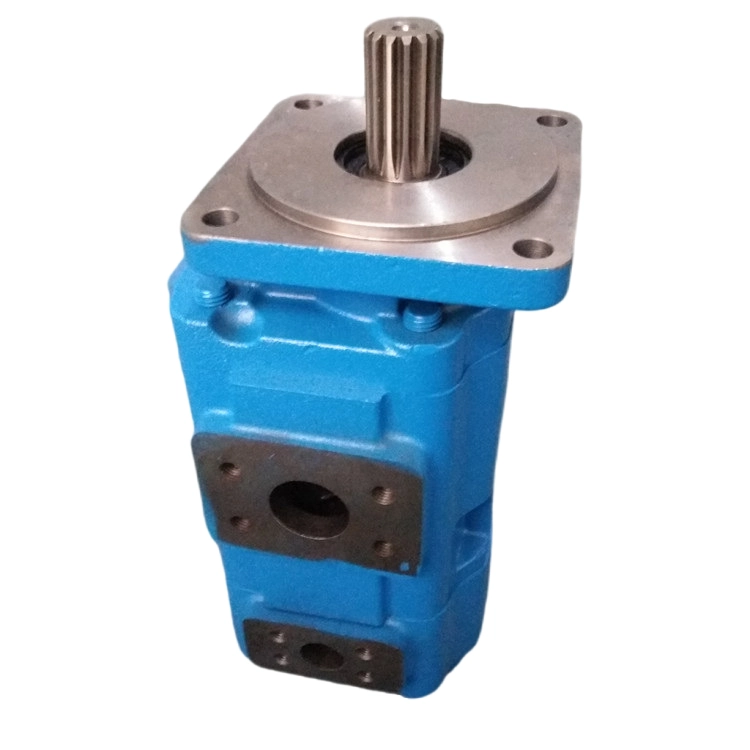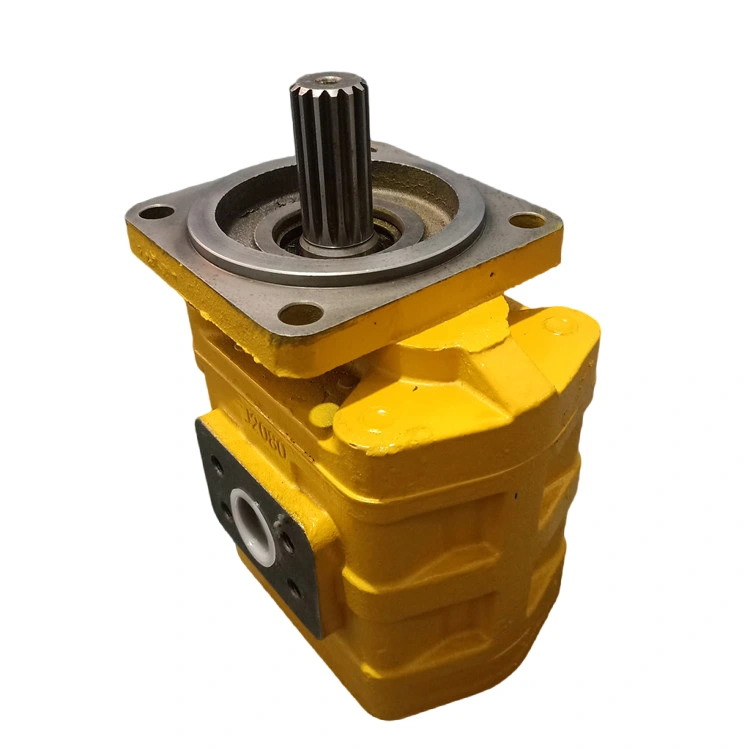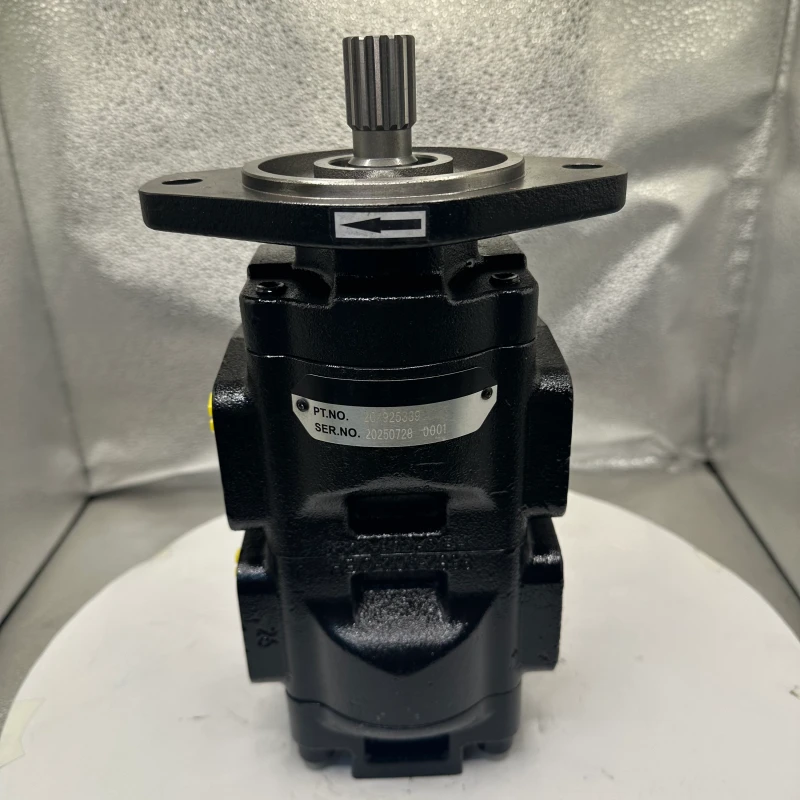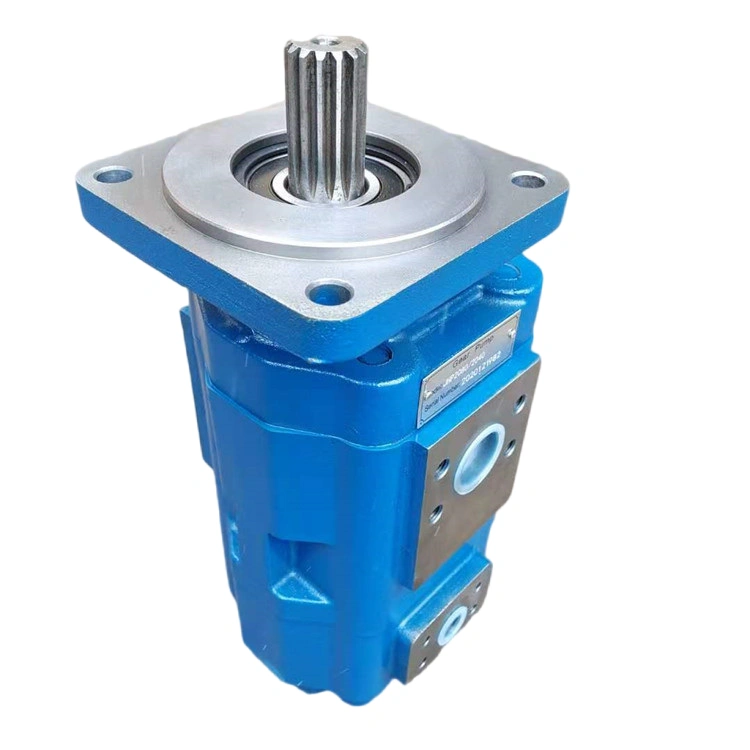

If you've spent any time around a Volvo excavator, you already know the hydraulic motors are doing most of the real work — swinging the boom, crawling over uneven ground, spinning the upper structure. They take hydraulic pressure and turn it into raw mechanical force, simple as that. But when one goes out, everything stops. Knowing a bit about how they work, what specs actually matter, and when it's time to swap one out can keep your machine running and save you a serious chunk of change on downtime.
If you manage a fleet and need to stay on top of maintenance schedules, work as a field technician troubleshooting a slow swing circuit, or own equipment and are weighing whether it's time for a replacement — this guide walks you through the essentials of Volvo excavator hydraulic motors. We'll cover how they work, what sets different models apart, and the specs that actually matter when you're making decisions in the shop or in the field.
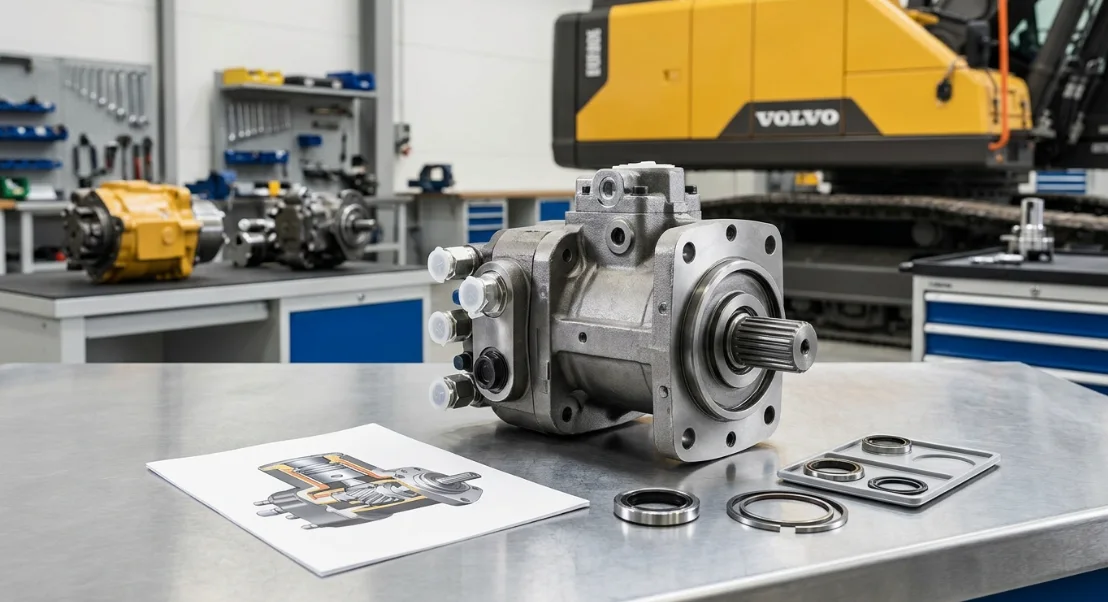
Understanding Hydraulic Motors in Volvo Excavators
What Is a Hydraulic Motor and How Does It Function?
A hydraulic motor is a mechanical actuator that converts hydraulic fluid energy into rotational mechanical energy. Pressurized oil from the Volvo hydraulic pump system enters the motor, acts on internal displacement elements, and produces torque at the output shaft.
The operating principle is essentially the reverse of a hydraulic pump. While a pump uses mechanical input to pressurize fluid, the motor uses pressurized fluid to generate mechanical output — creating the rotational force that drives tracks, swings the upper structure, and powers attachments.
Within heavy equipment hydraulic components, motors must operate under extreme conditions including high pressures exceeding 350 bar, variable speeds, shock loads, and temperature fluctuations. Volvo engineers these motors with tight internal tolerances to maintain volumetric efficiency above 95% throughout their service life.
Role of Hydraulic Motors in Excavator Applications
Volvo excavators rely on hydraulic motors for three primary functions. Track drive motors propel the machine across terrain, swing motors rotate the upper structure, and auxiliary motors power specialized attachments.
Track drive motors handle the highest sustained loads, converting hydraulic flow into the torque needed to move machines weighing 14 to 48 tonnes across uneven ground. These motors integrate with planetary gear reductions to multiply torque while reducing output speed.
Swing motors demand rapid acceleration and deceleration with precise positioning control. Auxiliary attachment motors in Volvo construction machinery parts must deliver variable speed and torque to power everything from hydraulic breakers to rotating grapples.
Types of Hydraulic Motors Used in Volvo Excavators
Axial piston motors are the most common type across the Volvo excavator range. They use a swashplate or bent-axis design where pistons arranged parallel to the drive shaft create rotation. These motors offer high efficiency, excellent power density, and variable displacement capability — making them ideal for track drive and swing applications.
Radial piston motors appear in larger Volvo models where maximum torque at low speed is critical. Their pistons are arranged perpendicular to the output shaft, delivering superior low-speed performance with minimal torque ripple. You'll find these in the EC480E and larger machines for track drive duty.
Gear motors serve simpler auxiliary functions where cost efficiency outweighs performance demands. They're robust, compact, and tolerant of contamination — suitable for powering cooling fans and basic attachment circuits where precise speed control isn't essential.
Volvo Hydraulic Pump System and Motor Integration
How the Hydraulic Pump System Powers the Motor
The Volvo hydraulic pump system operates in both closed-loop and open-loop configurations depending on the application. Track drive circuits typically use closed-loop (hydrostatic) systems where the pump and motor are directly connected, allowing bi-directional operation and dynamic braking without additional valving.
Swing circuits and auxiliary functions generally operate on open-loop systems. Here, the pump draws from a reservoir, delivers flow through directional control valves, and the motor exhausts back to tank. This configuration offers simpler control and easier heat rejection.
The integration between pump and motor is critical for system efficiency. Mismatched components or degraded pump performance directly impacts motor output — a worn pump delivering reduced flow will cause proportional speed loss at the motor regardless of the motor's condition.
System Pressure and Flow Requirements
Hydraulic drive motor specifications are defined by three primary parameters: displacement volume, maximum operating pressure, and rated speed. Displacement determines how much fluid the motor consumes per revolution, directly relating to torque output at a given pressure.
Volvo excavators typically operate track drive circuits at 300–400 bar maximum pressure, with swing circuits running at 250–300 bar. Flow rates range from 80 L/min on compact models to over 400 L/min on the EC480E class machines.
The relationship is straightforward: torque equals displacement multiplied by pressure, while speed equals flow divided by displacement. Understanding these relationships helps diagnose performance issues — if pressure is correct but speed is low, the motor likely has internal leakage reducing volumetric efficiency.
Electronic Control and Load-Sensing Technology
Modern Volvo excavators use intelligent hydraulic management systems that continuously optimize the interaction between pumps and motors. Load-sensing technology adjusts pump output to match actual demand, reducing energy waste and heat generation in the hydraulic system.
The electronic control unit (ECU) monitors system pressure, flow demands, engine speed, and operator inputs to calculate optimal pump displacement settings. This means motors receive precisely the flow and pressure they need — no more, no less — extending component life while maximizing fuel efficiency.
Volvo's electro-hydraulic control also enables features like automatic two-speed track shifting, swing priority modes, and attachment flow presets. These systems reduce operator fatigue while protecting hydraulic motors from conditions that accelerate wear, such as sustained over-speed or pressure spikes.
Hydraulic Drive Motor Specifications by Volvo Model
Specification Comparison Table
The following table presents hydraulic drive motor specifications across popular Volvo excavator models. These values represent standard OEM configurations and may vary by market or optional equipment packages.
| Volvo Model | Motor Type | Displacement (cc/rev) | Max Pressure (bar) | Max Speed (rpm) | Application |
|---|---|---|---|---|---|
| EC140E | Axial Piston | 36.4 | 343 | 2,850 | Track Drive |
| EC220E | Axial Piston | 53.7 | 350 | 2,600 | Track Drive |
| EC300E | Axial Piston | 80.4 | 350 | 2,400 | Track Drive |
| EC220E | Axial Piston | 107.8 | 280 | 1,950 | Swing Motor |
| EC380E | Axial Piston | 125.0 | 350 | 2,200 | Track Drive |
| EC480E | Radial Piston | 144.3 | 400 | 1,800 | Track Drive |
Notice how displacement increases with machine size while maximum speed decreases. Larger excavators require more torque (higher displacement × pressure) but operate tracks at lower ground speeds, reflecting the heavier loads and stability requirements of bigger machines.
Understanding Key Performance Parameters
Torque output is calculated from displacement and system pressure. For example, the EC300E track motor at 80.4 cc/rev and 350 bar produces approximately 4,480 Nm of theoretical torque before gear reduction — with the planetary final drive multiplying this by a factor of 40–60 for actual track sprocket torque.
Volumetric efficiency measures how much of the input flow actually produces useful work versus internal leakage. New Volvo motors typically achieve 95–97% volumetric efficiency. When this drops below 85%, you'll notice measurable speed loss and the motor should be evaluated for rebuild or replacement.
Mechanical efficiency accounts for friction losses within the motor. Combined with volumetric efficiency, it determines overall efficiency — typically 88–92% for axial piston motors in good condition. Lower mechanical efficiency manifests as excess heat generation rather than speed loss.
Common Applications and Configurations
Track Drive Motors
Volvo track drive motors incorporate dual-speed functionality that automatically shifts between high-torque (low speed) and high-speed (low torque) modes. The shift mechanism uses an internal valve that changes the motor's effective displacement — full displacement for maximum tractive effort, reduced displacement for faster travel speed.
Planetary gear reduction is integral to the track drive assembly. The motor output shaft drives a sun gear, which engages planet gears within a ring gear, producing the massive torque multiplication needed at the track sprocket. Volvo uses multi-stage planetary sets to achieve reduction ratios between 40:1 and 65:1 depending on machine class.
A spring-applied, hydraulically-released parking brake is built into each track motor assembly. This brake automatically engages when the machine is shut down or when hydraulic pressure drops below a threshold, preventing uncontrolled movement on slopes. Proper brake function is critical for safety and should be verified during routine maintenance.
Excavator Swing Motor Replacement Considerations
Swing motor failure typically presents as slow rotation speed, jerky or uneven swing motion, excessive noise during rotation, or hydraulic oil overheating during swing operations. If case drain flow exceeds manufacturer specifications (typically 3–5 L/min for Volvo swing motors), internal wear has progressed beyond acceptable limits.
During excavator swing motor replacement, matching OEM specifications is critical. The replacement motor must match the original displacement, pressure rating, shaft configuration, and mounting pattern exactly. Even small deviations in displacement will affect swing speed and the machine's electronic control calibration.
After installing a new swing motor, the hydraulic system requires recalibration through Volvo's diagnostic software (VCADS Pro or similar). Relief pressures must be verified, swing brake timing adjusted, and the anti-cavitation circuit checked. Skipping calibration can result in premature failure of the new motor or damage to the swing gearbox.
Auxiliary Attachment Motors
Volvo excavators provide auxiliary hydraulic circuits specifically designed to power attachment motors. These circuits deliver variable flow and pressure through proportional control valves, allowing operators to precisely control attachment speed from the cab.
Common attachment motors power rotators (for sorting grapples), mulcher drums, auger drives, and compactor wheels. Each attachment has specific flow and pressure requirements — a mulcher may need 200+ L/min at 250 bar, while an auger might require only 80 L/min at 200 bar.
When specifying attachment motors, ensure the Volvo auxiliary circuit can deliver adequate flow at the required pressure. Undersized circuits will result in slow attachment operation, while oversized motors connected to limited flow will cavitate and fail prematurely. Always verify compatibility with the machine's hydraulic schematic.
Maintenance, Troubleshooting, and Replacement
Preventive Maintenance Schedule
Following a structured maintenance schedule is the most effective way to maximize hydraulic motor service life. The intervals below represent minimum recommendations for Volvo excavators operating in standard conditions — harsh environments may require more frequent attention.
| Interval | Action | Purpose |
|---|---|---|
| 250 hours | Check hydraulic fluid level and condition | Prevent contamination damage |
| 500 hours | Inspect motor case drain flow | Detect internal wear early |
| 1,000 hours | Replace hydraulic filters | Maintain fluid cleanliness |
| 2,000 hours | Analyze fluid samples | Identify metal particles indicating wear |
| 5,000 hours | Full motor inspection | Assess wear components and seals |
Case drain flow measurement is particularly valuable as an early warning indicator. By establishing a baseline when the motor is new and tracking increases over time, you can predict failure before it becomes catastrophic — scheduling replacement during planned downtime rather than emergency repairs.
Diagnosing Hydraulic Motor Failures
Loss of speed under load indicates internal leakage past worn pistons, valve plates, or cylinder bores. Measure case drain flow — if it exceeds specifications, the motor's volumetric efficiency has degraded beyond acceptable limits and rebuild or replacement is necessary.
Excessive heat generation points to mechanical friction from worn bearings, damaged thrust plates, or contaminated fluid causing abrasive wear. Check motor surface temperature with an infrared thermometer — operating temperatures above 80°C at the case surface warrant investigation.
Unusual noise such as knocking, whining, or cavitation sounds indicates air ingestion, worn bearings, or damaged internal components. Cavitation (a high-pitched whine) is particularly destructive and must be addressed immediately by checking suction line restrictions and fluid level.
External leakage from shaft seals or case connections suggests over-pressurization of the motor case (blocked drain line), worn shaft seals, or scored shaft surfaces. While external leaks may seem minor, they indicate conditions that will lead to complete failure if ignored.
OEM vs. Aftermarket Replacement Parts
OEM Volvo parts guarantee exact specification compliance, full warranty coverage, and documented traceability. They're manufactured to Volvo's quality standards with materials and tolerances validated for the specific application. The premium cost — typically 30–60% higher than aftermarket — buys certainty and dealer support.
Quality aftermarket options from reputable manufacturers can offer comparable performance at reduced cost. Look for suppliers who provide detailed hydraulic drive motor specifications matching OEM values, use equivalent materials, and offer meaningful warranty coverage. Verify that displacement, pressure ratings, port configurations, and mounting dimensions match exactly.
Budget aftermarket parts carry significant risk. Inferior materials, loose tolerances, and inadequate quality control can result in premature failure — potentially causing collateral damage to other heavy equipment hydraulic components in the circuit. The cost savings rarely justify the risk of catastrophic failure and extended downtime.
Performance Optimization Tips
Fluid Selection and Contamination Control
Hydraulic fluid is the lifeblood of every motor in the system. Volvo specifies ISO VG 46 hydraulic oil for most operating conditions, with VG 32 for cold climates and VG 68 for sustained high-temperature environments. Using the correct viscosity grade ensures proper lubrication film thickness within the motor.
Contamination is the leading cause of hydraulic motor failure. Target ISO 18/16/13 cleanliness code or better for Volvo excavator systems. This means no more than 2,500 particles larger than 4 microns per milliliter of fluid — achievable with proper filtration and disciplined fluid handling practices.
Install breathers with desiccant elements on the hydraulic reservoir to prevent moisture and airborne particle ingestion. Use kidney-loop filtration during fluid top-ups, and never add fluid that hasn't passed through a filter rated at 10 microns or finer.
Operating Temperature Management
Hydraulic motors operate most efficiently between 40°C and 70°C fluid temperature. Below 40°C, fluid viscosity increases dramatically, causing higher pressure drops and sluggish response. Above 80°C, viscosity drops too low to maintain adequate lubrication, accelerating wear on all internal surfaces.
Volvo excavators use oil coolers integrated with the engine cooling package to manage hydraulic temperature. Ensure cooler fins are clean and airflow is unobstructed. A 20% blockage of cooler surface area can raise operating temperatures by 10–15°C — enough to halve seal life and significantly increase wear rates.
In extreme cold conditions, allow the hydraulic system to warm up at low idle before applying full load. Running motors at full pressure with cold, viscous fluid creates excessive pressure drops across internal orifices and can cause cavitation damage to pistons and valve plates.
Proper Break-In Procedures After Replacement
New or rebuilt hydraulic motors require a controlled break-in period to seat internal components and establish proper wear patterns. Skipping this step can reduce motor life by 30% or more due to premature surface damage.
Follow this break-in protocol for Volvo excavator hydraulic motors:
- Fill the motor case with clean hydraulic oil before installation to prevent dry-start damage.
- Run the motor at zero load for 5 minutes to circulate oil through all internal passages.
- Gradually increase load in 25% increments, running 10 minutes at each level.
- After reaching full load, operate for one hour while monitoring case temperature and drain flow.
- Check and replace hydraulic filters after the first 50 hours of operation to capture break-in particles.
Monitor case drain flow closely during the first 100 hours. A slight decrease from initial values is normal as components seat. Any increase suggests a problem that should be investigated before permanent damage occurs.
Frequently Asked Questions (FAQ)
How long does a Volvo excavator hydraulic motor typically last?
Under proper maintenance conditions with clean hydraulic fluid and correct operating procedures, Volvo excavator hydraulic motors typically deliver 8,000 to 12,000 hours of service life. Track drive motors in demanding applications (rocky terrain, steep grades) tend toward the lower end, while swing motors in standard digging operations often exceed 10,000 hours. Factors that extend life include consistent fluid analysis, timely filter changes, and operating within specified temperature ranges.
What causes premature hydraulic motor failure in excavators?
The primary causes of premature failure are fluid contamination (responsible for approximately 70% of hydraulic component failures), cavitation from restricted suction lines or low fluid levels, over-pressurization from incorrectly set relief valves, and improper fluid maintenance allowing moisture and particle accumulation. Operating with degraded fluid that has lost its anti-wear additives also accelerates internal component wear significantly. Regular fluid sampling and analysis is the most cost-effective way to prevent these failure modes.
Can I use aftermarket hydraulic motors in my Volvo excavator?
Yes, quality aftermarket hydraulic motors can be used in Volvo excavators provided they match OEM specifications exactly — including displacement, pressure rating, shaft dimensions, port configuration, and mounting pattern. However, using non-OEM parts may void remaining warranty coverage on related components. Choose reputable aftermarket suppliers who provide detailed specification sheets and meaningful warranty terms. Always verify compatibility with your specific machine model and serial number range, as specifications can change between production runs.
How do I know when my excavator swing motor needs replacement?
Key warning signs include noticeably slower swing rotation speed (especially under load), jerky or uneven rotation, excessive hydraulic noise during swing operations, elevated hydraulic oil temperature, and visible external leakage at the motor. The most definitive diagnostic is measuring case drain flow — if it exceeds 4–5 L/min (model-dependent), internal wear has progressed beyond acceptable limits. Additionally, if swing drift exceeds specifications when the machine is parked on level ground with the brake released, the motor's internal sealing surfaces are likely worn.
What is the cost range for Volvo excavator hydraulic motor replacement?
Costs vary significantly by machine class and motor type. For mid-size excavators (EC200E–EC300E class), expect OEM track drive motor assemblies to range from $4,000 to $8,000 for the part alone, with swing motors in the $3,500 to $6,500 range. Labor for removal and installation typically adds $1,500 to $3,000 depending on accessibility and shop rates. Larger machines (EC380E–EC480E) can see motor costs of $8,000 to $15,000+. Quality aftermarket alternatives may reduce part costs by 30–50%, while professional rebuilds of the existing motor typically cost 50–65% of new OEM pricing.
How does the Volvo hydraulic pump system affect motor longevity?
The Volvo hydraulic pump system directly impacts motor longevity in several ways. A worn pump generating contamination particles sends abrasive debris directly to the motor. Incorrect pump pressure settings — either too high or too low — cause accelerated wear or cavitation damage respectively. Pump flow imbalances in dual-pump systems can overload one track motor while starving the other. Additionally, a pump with degraded displacement control may deliver pulsating flow that creates cyclic stress on motor components. Maintaining the pump system in proper condition is essential for protecting downstream motors and achieving expected service life from all heavy equipment hydraulic components in the circuit.