
Unplanned downtime in industrial fluid transfer hits hard — we're talking thousands of dollars lost every minute the line stops. That's exactly why the OT 200 gear pump was built the way it is: a positive displacement design, precision-engineered to keep running through the kind of duty cycles that wear other pumps down.
In industrial processes requiring the reliable conveyance of high-viscosity fluids under controlled pressure conditions, the selection of pump technology constitutes a critical determinant of operational continuity and process efficiency. The OT 200 gear pump has established itself as a proven solution across a broad spectrum of industrial applications, distinguished by its capacity to deliver precise, repeatable volumetric performance under demanding operational parameters.
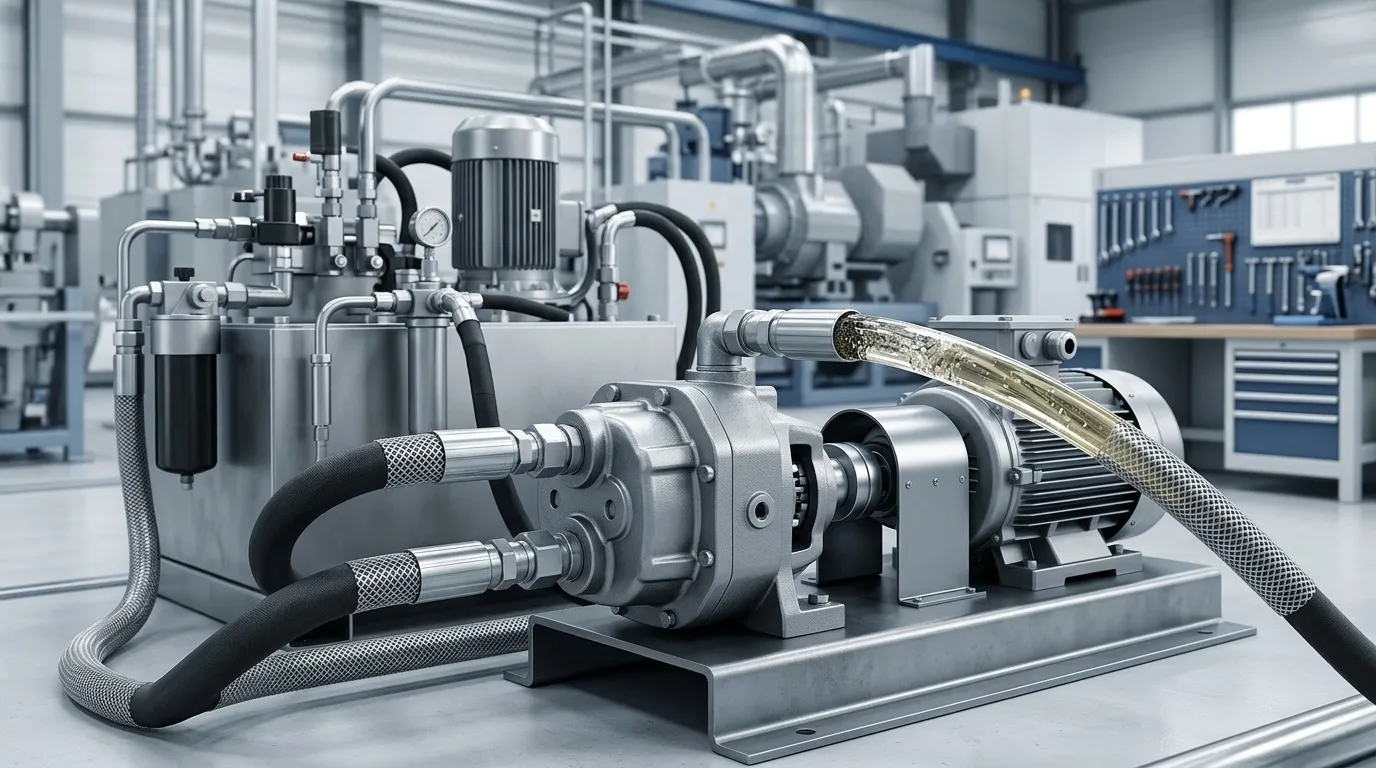
This guide covers everything engineers, maintenance teams, and procurement specialists need to know about OT 200 gear pump specifications, the machinery it serves, and why it outperforms alternative pump technologies in demanding industrial gear pump applications. With flow rates typically ranging from 0.5 to 150 liters per minute, operating pressures up to 250 bar, and viscosity handling capabilities spanning from 1 cSt to over 100,000 cSt, the OT 200 series is engineered for precision fluid transfer across a wide spectrum of industries. Whether deployed in hydraulic power units, lubrication systems, chemical dosing lines, or high-temperature polymer processing environments operating at temperatures exceeding 300°C, this gear pump consistently delivers volumetric efficiencies above 90%. Throughout this guide, we will examine detailed technical data sheets, dimensional specifications, material compatibility charts covering metals such as cast iron, stainless steel 316, and hardened alloy steel, as well as elastomer seal options including Viton, PTFE, and EPDM. We will also provide head-to-head performance comparisons against centrifugal, diaphragm, and progressive cavity pumps, demonstrating how the OT 200 achieves up to 30% lower energy consumption and 40% longer service intervals in continuous-duty applications, ultimately reducing total cost of ownership for facilities managing critical fluid handling operations.
Understanding the OT 200 Gear Pump
What Is a Gear Pump? (Core Operating Principle)
A gear pump is a type of positive displacement pump machinery that uses the meshing and unmeshing of precision-machined gears to move fluid. As the gears rotate, they create expanding cavities on the suction side that draw fluid in, then carry it around the housing periphery before compressing it into the discharge port.
This operating principle means flow output is directly proportional to rotational speed — not affected by downstream pressure changes. The result is a consistent, predictable volumetric delivery that makes gear pumps indispensable in hydraulic gear pump systems and oil transfer pump equipment.
Unlike centrifugal pumps that rely on kinetic energy, positive displacement designs like the OT 200 excel at handling viscous fluids and maintaining stable flow rates across varying system conditions.
OT 200 Gear Pump Design and Construction
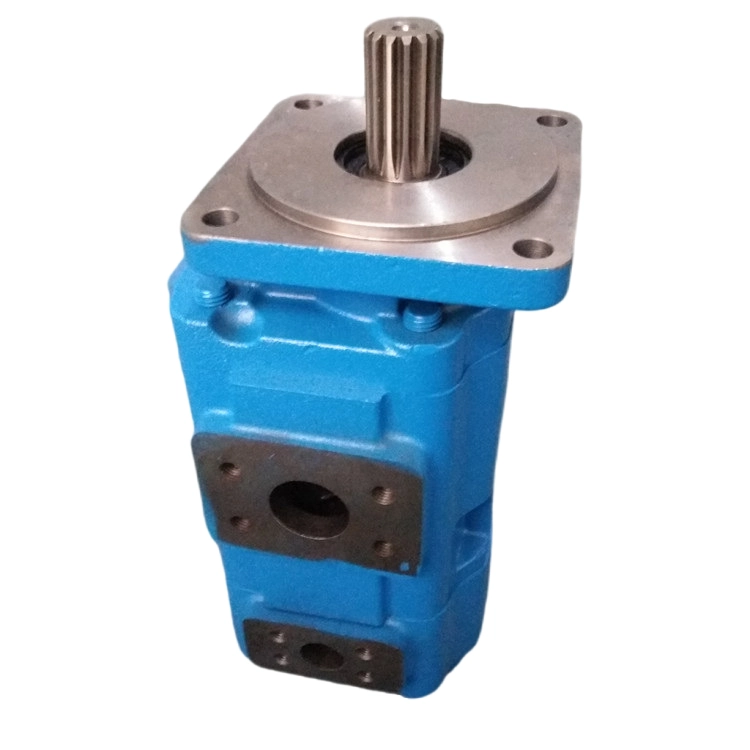
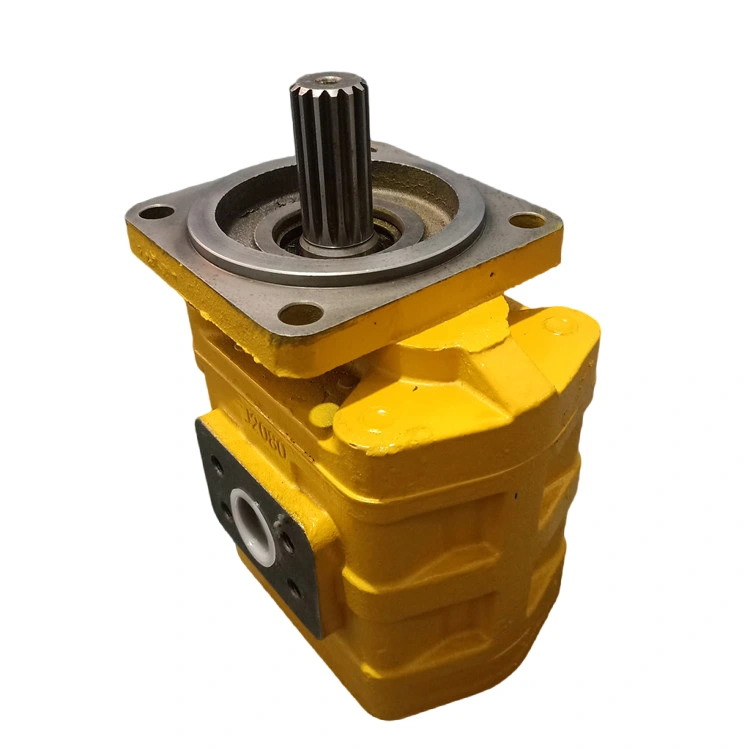
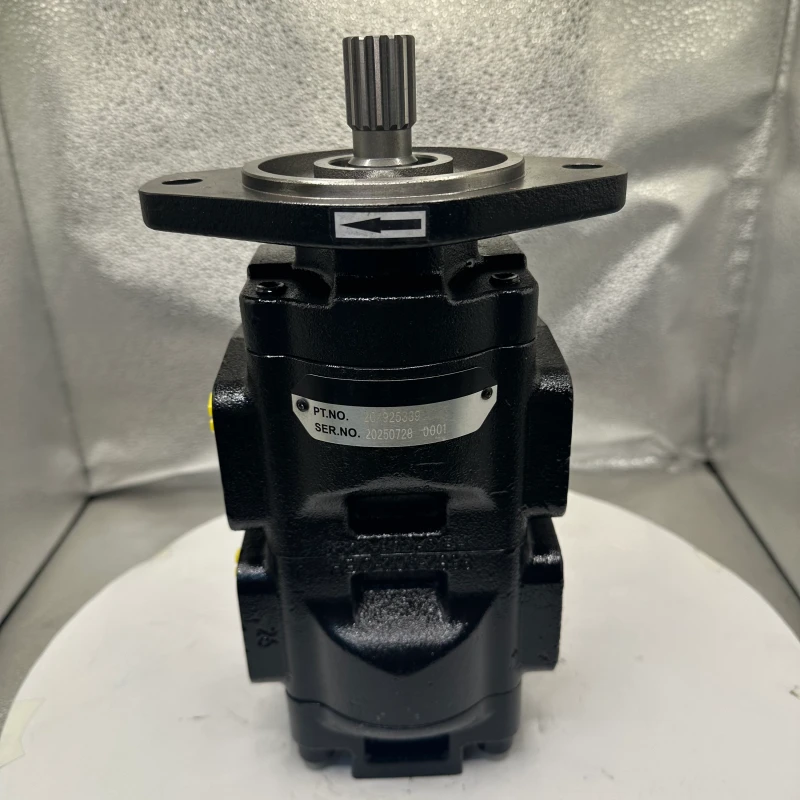
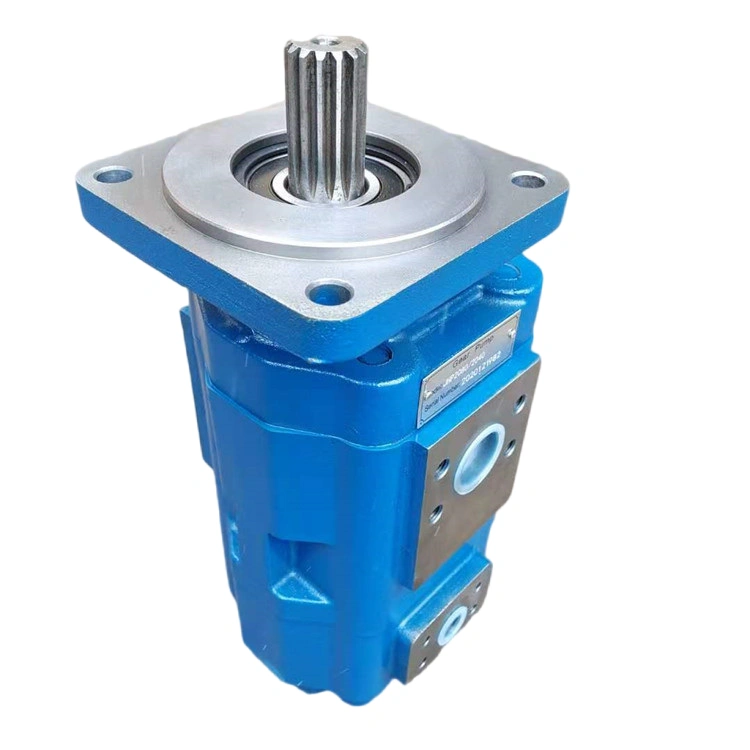
The OT 200 features an external gear configuration with two precision-ground spur gears housed in a close-tolerance casing. The housing is typically constructed from cast iron or aluminum alloy, selected based on the application's pressure requirements and fluid compatibility.
Gear geometry in the OT 200 is optimized for minimal trapped volume between meshing teeth, reducing pressure pulsation and noise. Shaft seals employ high-performance elastomers or mechanical face seals rated for the pump's full operating temperature and pressure envelope.
Port configurations are available in SAE flange, BSP, and NPT thread standards, allowing straightforward integration into existing hydraulic gear pump systems. The drive end accommodates standard shaft couplings or direct-mount configurations for motor and PTO connections.
OT 200 Gear Pump Specifications
| Specification | Detail |
|---|---|
| Pump Type | External gear, positive displacement |
| Displacement | 200 cc/rev |
| Max Operating Pressure | 250 bar (3,625 psi) |
| Flow Rate Range | 40–300 L/min (dependent on speed) |
| Viscosity Range | 10–1,500 cSt |
| Fluid Compatibility | Hydraulic oil, lubricants, fuel oils, non-abrasive fluids |
| Drive Connection | Shaft coupling / direct drive / PTO flange |
| Operating Temperature | -20°C to +100°C |
| Weight | Approximately 38–45 kg (configuration dependent) |
| Speed Range | 200–1,500 RPM |
| Volumetric Efficiency | Up to 95% at rated conditions |
These OT 200 gear pump specifications position it firmly in the medium-to-high flow category, suitable for applications demanding reliable volumetric output under sustained industrial operating conditions.
Key Features and Performance Advantages
High Volumetric Efficiency
The OT 200 achieves volumetric efficiency up to 95% thanks to tight manufacturing tolerances between the gear teeth and housing bore. This precision minimizes internal slip — the backward leakage of fluid from discharge to suction — ensuring that nearly all displaced volume reaches the downstream system.
In oil transfer pump equipment applications, this efficiency translates directly to accurate metering and reduced energy waste. Operators can trust that commanded flow rates match actual delivery without constant recalibration.
High volumetric efficiency also means less heat generation within the pump, extending fluid life and reducing cooling system demands in continuous-duty installations.
Self-Priming Capability
The OT 200's positive displacement design creates sufficient vacuum at the inlet to draw fluid from below the pump centerline without external priming assistance. This self-priming capability is critical for remote or automated industrial gear pump applications where manual intervention at startup is impractical.
Typical suction lift capability reaches up to 3–5 meters depending on fluid viscosity and inlet line configuration. This eliminates the need for foot valves or auxiliary priming pumps that add complexity and potential failure points.
For tank farm operations and mobile equipment, self-priming means the OT 200 can begin transferring fluid immediately upon startup — no waiting, no operator babysitting.
Low Maintenance and Durability
Wear-resistant gear materials — including hardened alloy steel and case-hardened surfaces — give the OT 200 extended service life even in demanding duty cycles. Bearing designs use pressure-balanced journal bearings or roller elements that distribute loads evenly and resist fatigue.
Service intervals for the OT 200 platform typically extend to 5,000–8,000 operating hours before seal replacement is required, assuming proper fluid cleanliness is maintained. This dramatically reduces total cost of ownership compared to vane or piston pump alternatives.
When maintenance is needed, the OT 200's straightforward construction allows field-level disassembly and reassembly without specialized tooling or factory-trained technicians.
Machinery and Industrial Applications
Application Overview Table
| Industry / Machinery | Application | Why OT 200 Is Used |
|---|---|---|
| Hydraulic Power Units | Fluid circulation and pressure generation | Consistent displacement, pressure stability |
| Oil Transfer Systems | Bulk oil movement between tanks | Self-priming, handles viscous fluids |
| Lubrication Systems | Centralized machine lubrication delivery | Precise metered flow |
| Fuel Handling Equipment | Diesel/fuel oil transfer | Chemical compatibility, reliable sealing |
| Marine Machinery | Bilge pumping, fuel supply systems | Compact design, corrosion resistance |
| Manufacturing Lines | Coolant and cutting fluid circulation | Continuous duty rating |
| Agricultural Equipment | Hydraulic implement drives | Robust construction, field serviceability |
Hydraulic Gear Pump Systems in Heavy Industry
In heavy industrial settings, the OT 200 integrates into large-scale hydraulic circuits powering hydraulic presses, injection molding machines, and metal forming equipment. These applications demand sustained high-pressure flow delivery without pulsation-induced quality defects in finished products.
The 200 cc/rev displacement makes the OT 200 well-suited for circuits requiring substantial flow volume without resorting to oversized pump assemblies. Multiple OT 200 units can also be ganged together on a common drive shaft for systems needing redundancy or staged pressure delivery.
Heavy industry values the OT 200's tolerance for contamination spikes and thermal cycling that would degrade more sensitive pump technologies like axial piston units.
Oil Transfer Pump Equipment for Storage and Distribution
Tank farms, refineries, and fleet fueling stations rely on the OT 200 for reliable volumetric transfer of petroleum products, lubricating oils, and process fluids. In these environments, accurate volume measurement and leak-free operation are non-negotiable requirements.
The pump's ability to handle fluids across a wide viscosity range — from light diesel to heavy gear oils — makes it versatile enough to serve multiple transfer duties within a single facility. Self-priming capability ensures reliable startup even when suction lines drain back between transfer cycles.
For custody transfer applications, the OT 200's predictable displacement-per-revolution characteristic enables accurate flow totalizing when paired with speed sensors or pulse-output flow meters.
Mobile and Off-Highway Machinery
Construction equipment, forestry harvesters, and agricultural machines require compact, high-output hydraulic gear pump systems that withstand vibration, contamination, and extreme temperature swings. The OT 200's robust construction and PTO-compatible drive configurations make it a natural fit.
In mobile applications, the pump typically drives hydraulic cylinders for loader arms, augers, tillage implements, and steering systems. Its ability to deliver full rated flow across a wide speed range accommodates the variable engine RPM conditions inherent in off-highway machinery.
Field serviceability is a major advantage — agricultural and construction operators can replace seals and inspect gears on-site without transporting equipment to a workshop, minimizing costly downtime during critical operating seasons.
OT 200 vs. Alternative Pump Technologies
Selecting the right pump technology requires understanding how the OT 200 compares against common alternatives across key performance factors relevant to positive displacement pump machinery decisions.
| Factor | OT 200 Gear Pump | Vane Pump | Centrifugal Pump |
|---|---|---|---|
| Flow Consistency | High (positive displacement) | Moderate | Variable with pressure |
| Viscous Fluid Handling | Excellent | Good | Poor |
| Self-Priming | Yes | Limited | No |
| Pressure Capability | High (up to 250 bar) | Medium (up to 175 bar) | Low–Medium |
| Maintenance Complexity | Low | Moderate | Low |
| Cost Efficiency | High for medium-flow apps | Moderate | High for high-volume/low-pressure |
| Noise Level | Moderate | Low | Low |
| Contamination Tolerance | Good | Poor | Excellent |
The OT 200 occupies a performance sweet spot for applications requiring reliable pressure generation, viscous fluid compatibility, and self-priming — all in a package with lower lifecycle costs than piston or vane alternatives.
Centrifugal pumps win on high-volume, low-pressure water-like fluid duties, but they cannot match the OT 200's performance with oils, fuels, and other viscous media. Vane pumps offer quieter operation but sacrifice pressure capability and contamination tolerance.
Installation and Maintenance Considerations
Proper Mounting and Alignment
Correct shaft alignment between the OT 200 and its drive motor is critical for vibration-free operation and maximum bearing life. Misalignment beyond 0.05 mm angular or 0.1 mm parallel offset accelerates seal wear and can cause premature gear failure.
Flexible couplings should be used to accommodate minor thermal growth and manufacturing tolerances, but they are not a substitute for proper alignment. Rigid baseplates or machined mounting surfaces prevent soft-foot conditions that introduce dynamic misalignment under load.
For mobile installations, anti-vibration mounts and proper hose routing prevent fatigue failures in connections and reduce transmitted noise to the operator environment.
Fluid Selection and Filtration
Operating the OT 200 within its rated viscosity range of 10–1,500 cSt is essential for maintaining the hydrodynamic film that protects gear surfaces and bearings. Fluid too thin at operating temperature causes metal-to-metal contact; fluid too thick increases starting torque and reduces efficiency.
Suction-side filtration should be limited to coarse strainers (100–150 micron) to prevent cavitation from excessive inlet restriction. Pressure-side or return-line filtration at 10–25 microns protects downstream components and prevents recirculated contaminants from scoring gear faces.
Regular fluid analysis — monitoring particle counts, water content, and viscosity — provides early warning of developing issues before they cause pump damage or unplanned downtime.
Routine Maintenance Schedule
A proactive maintenance schedule for the OT 200 platform includes daily visual checks for leaks, weekly pressure and temperature monitoring, and quarterly fluid sampling. Seal replacement is typically scheduled at 5,000–8,000 hour intervals or when external leakage is first observed.
Wear indicators to monitor include increasing case drain flow (indicating internal leakage growth), rising operating temperature at constant load, and changes in noise or vibration signature. Any of these trends warrant inspection before catastrophic failure occurs.
Keeping a spare seal kit and coupling element on-site ensures that routine maintenance can be completed within a single shift, minimizing production impact and keeping positive displacement pump machinery running at peak performance.
Frequently Asked Questions (FAQ)
What fluids can the OT 200 gear pump handle?
The OT 200 is compatible with hydraulic oils, lubricating oils, fuel oils (diesel, kerosene), and other non-abrasive fluids within its rated viscosity range of 10–1,500 cSt and operating temperature range of -20°C to +100°C. Fluids containing abrasive particles or chemically aggressive compounds require special material configurations or alternative pump selection.
Is the OT 200 suitable for high-pressure hydraulic systems?
Yes. The OT 200's positive displacement design delivers stable, consistent flow at pressures up to 250 bar (3,625 psi), making it well-suited for industrial hydraulic gear pump systems powering presses, cylinders, and motors. Its output remains constant regardless of downstream pressure variations, which is essential for precise hydraulic control.
How does the OT 200 compare to centrifugal pumps for oil transfer?
The OT 200 maintains consistent volumetric flow regardless of system pressure changes, while centrifugal pump output drops significantly as discharge pressure increases. For viscous fluids like lubricating oils and heavy fuel oils, the OT 200 delivers dramatically better efficiency and self-priming capability that centrifugal designs simply cannot match.
What maintenance does the OT 200 gear pump require?
Routine maintenance includes periodic seal inspection, fluid cleanliness monitoring through particle counting, shaft alignment verification, and coupling condition checks. Compared to vane or piston pumps, the OT 200 requires significantly less intervention — typically only seal replacement every 5,000–8,000 operating hours under normal conditions with clean fluid.
Can the OT 200 run dry without damage?
The OT 200 has brief dry-run tolerance due to residual fluid film on internal surfaces, but sustained dry operation is not recommended and will cause rapid wear of gears, bearings, and seals. Proper system design should include low-level switches, foot valves, or reservoir monitoring to prevent fluid starvation during operation.
What industries use the OT 200 most frequently?
The OT 200 sees widespread use in manufacturing, marine, oil and gas, agriculture, construction, and any sector relying on positive displacement pump machinery for viscous fluid transfer. Its combination of robust construction, self-priming capability, and wide viscosity tolerance makes it a versatile choice across diverse industrial gear pump applications and oil transfer pump equipment installations.