
I've seen engineers overlook this more times than I can count — gear pumps get treated as strictly one-direction components, end of story. But flip the motor around, and things get interesting. You might cut thousands off your system design budget, and you open up options in hydraulic and fluid transfer setups that most people never even consider.
So yes, a lot of gear pumps can run in both directions — but there's a real difference between a pump that just happens to survive reverse rotation and one that's actually built for true bidirectional operation. Getting that distinction right matters more than most people think, especially when it comes to keeping your system reliable and running well over the long haul.
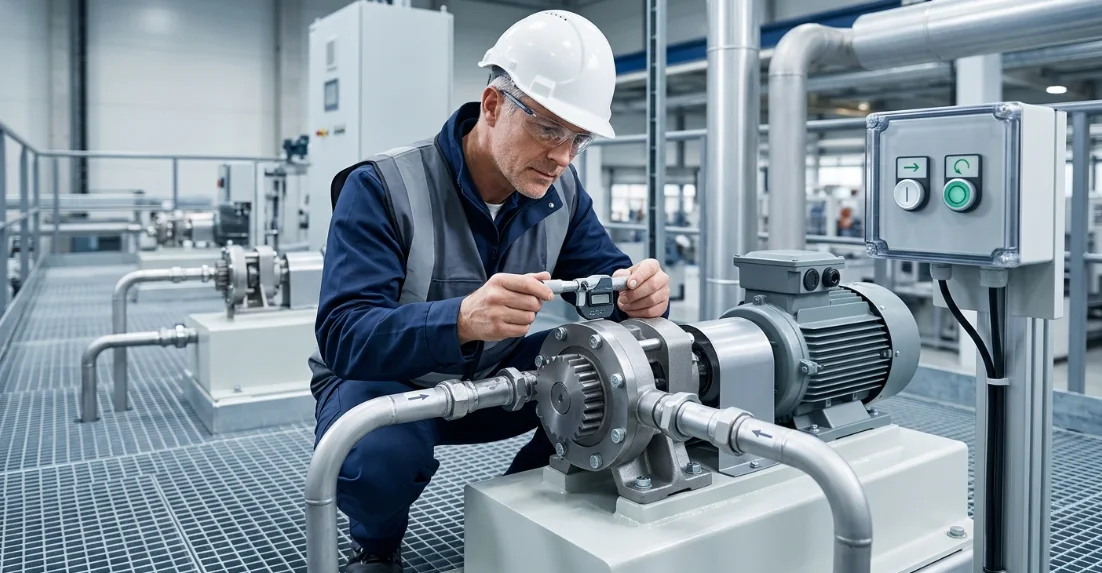
In this guide, we break down the mechanics of gear pump rotation direction, explain what makes a reversible gear pump design work, and help you specify the right pump for applications demanding reverse flow gear pump capability.
How a Standard Gear Pump Creates Flow
Basic Operating Principle — Meshing Gears and Displacement
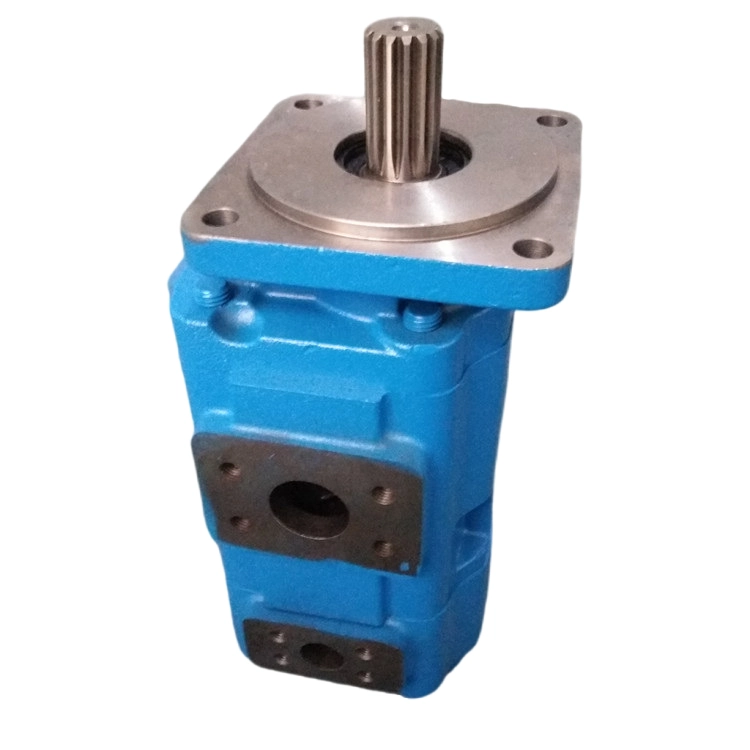
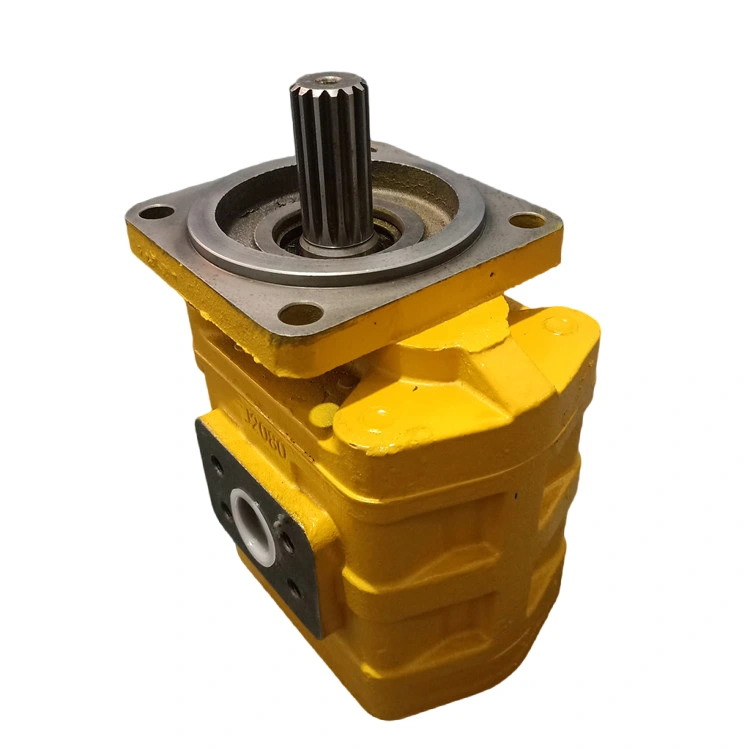
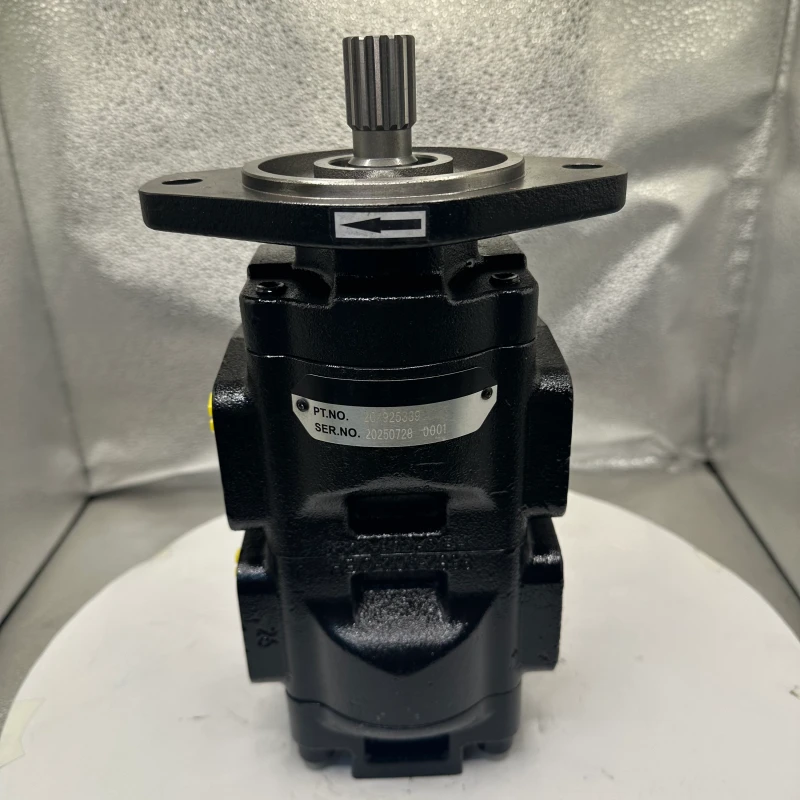
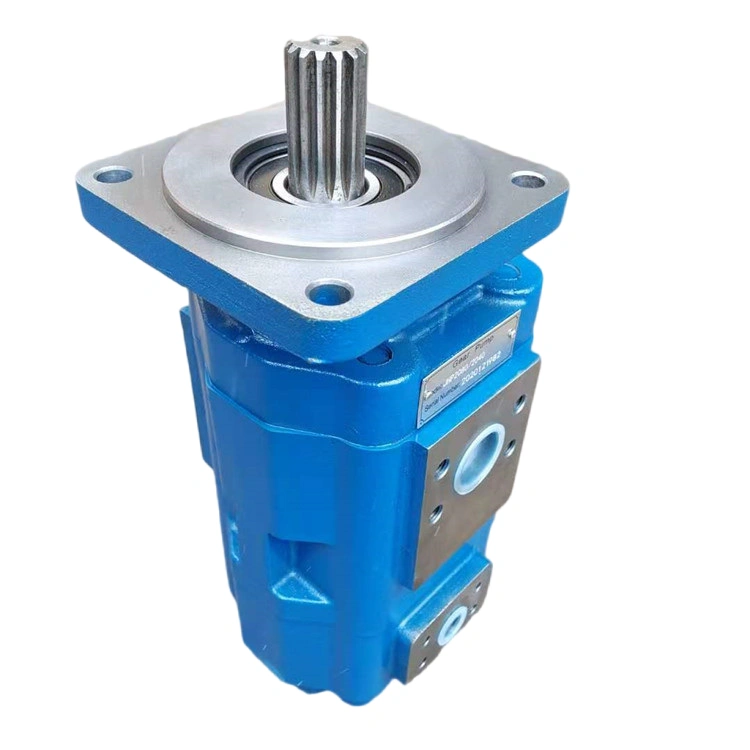
A gear pump is a positive displacement device. Two meshing gears rotate inside a tightly toleranced housing, trapping fluid in the spaces between the gear teeth and the casing wall.
As the gears rotate, fluid is carried from the inlet side to the outlet side. Where the teeth mesh at the center, fluid is squeezed out of the shrinking volume and forced toward the discharge port.
This mechanical action creates a consistent, pulse-free flow that is largely independent of downstream pressure — a hallmark of positive displacement technology.
The Role of Gear Pump Rotation Direction in Flow Path
The direction of shaft rotation is what determines which port serves as suction and which serves as discharge. Fluid always enters on the side where gear teeth are separating (creating expanding volume) and exits where teeth are meshing (creating contracting volume).
Reverse the rotation, and you reverse the flow path entirely. The former inlet becomes the outlet, and the former outlet becomes the inlet. This fundamental relationship between gear pump rotation direction and flow path is what makes bidirectional operation theoretically possible in any gear pump.
Can You Reverse a Gear Pump? — Bidirectional Gear Pump Operation Explained
What Happens When You Reverse the Motor
When you reverse the drive motor on a gear pump, the hydraulic and mechanical effects are immediate. The suction and discharge ports swap roles, and fluid flows in the opposite direction through the system.
Internally, pressure loading on bearings shifts to the opposite side. Shaft seals that were designed to contain pressure in one direction now face pressure from the reverse side. Relief valves, if present, may no longer protect the circuit.
For a pump designed for it, this is routine. For a standard unidirectional pump, these shifts introduce risks that accumulate over time.
External vs. Internal Gear Pumps — Reversibility Differences
External gear pumps — with two identical spur or helical gears — are generally more amenable to reverse flow gear pump operation. Their symmetric geometry means the mechanical loading is relatively balanced regardless of rotation direction.
Internal gear pumps, where a smaller gear rotates inside a larger ring gear, tend to be less suited to reversal. The crescent seal and asymmetric geometry create preferential flow paths that don't perform equally well in both directions.
That said, manufacturers produce bidirectional versions of both types. The key is whether the pump was designed with reversal in mind from the outset.
Reversible Gear Pump Design Features
A truly bidirectional gear pump incorporates specific engineering modifications that go beyond simply tolerating occasional reverse rotation. These design features ensure equal performance, sealing, and longevity in both directions of operation.
| Design Feature | Standard Pump | Bidirectional Pump |
|---|---|---|
| Port symmetry | Asymmetric | Symmetric |
| Seal orientation | Single-direction | Dual-direction |
| Relief valve | One-way | Dual or omitted |
| Bearing loading | Optimized one way | Balanced both ways |
| Shaft seal type | Lip seal (uni-directional) | Bi-rotational seal |
Symmetric porting ensures equal flow resistance in both directions. Bi-rotational shaft seals maintain their sealing lip contact regardless of rotation. Balanced bearing supports prevent overloading when pressure shifts sides.
A pump that simply tolerates reversal may work for occasional or low-pressure reverse operation. But for continuous duty in both directions, a purpose-built reversible gear pump design is essential.
Applications Requiring Gear Pump Flow Reversal
Hydraulic Cylinders — Extend and Retract Circuits
One of the most common applications for bidirectional gear pump operation is driving hydraulic cylinders. By reversing the pump, you can extend and retract a cylinder without needing a directional control valve.
This simplifies the hydraulic circuit, reduces component count, and eliminates a potential failure point. It is especially popular in low-cost mobile hydraulic systems where simplicity and reliability outweigh the need for proportional control.
Fuel Transfer and Tank-to-Tank Operations
In marine, aviation, and industrial fuel management, bidirectional pumping allows a single pump to transfer fuel between tanks in either direction. This reduces weight, space, and cost compared to installing separate pumps or complex valve arrangements.
Reverse flow gear pump circuits are particularly valuable on vessels where fuel must be shifted between port and starboard tanks for trim and stability adjustments.
Mobile Equipment and Winch Systems
Construction and agricultural machinery routinely require reverse flow capability. Winch systems must raise and lower loads, tilt mechanisms must move in both directions, and steering systems on some machines use bidirectional pump drives.
In these applications, the pump reverses direction frequently — sometimes hundreds of times per shift. Only a pump with proper reversible gear pump design will survive this duty cycle without premature failure.
| Application | Why Reversal Is Needed | Typical Pump Type |
|---|---|---|
| Hydraulic lift cylinders | Extend/retract control | External gear |
| Fuel transfer systems | Fill/empty multiple tanks | Internal gear |
| Winch drives | Raise/lower loads | External gear |
| Lubrication circuits | Flush and backflow cleaning | External gear |
| Chemical dosing | Bidirectional metering | Magnetic-drive gear |
Limitations and Risks of Running a Gear Pump in Reverse
Seal Wear and Leakage Concerns
Standard lip seals are designed to contain pressure from one direction only. The sealing lip is spring-loaded and pressure-energized to press against the shaft in a specific orientation. Reverse the pressure, and the lip can lift away from the shaft, allowing leakage.
Over time, even minor reverse-pressure events degrade the seal lip geometry. This leads to progressive external leakage and potential contamination ingress — both of which shorten pump life considerably.
Lubrication and Bearing Load Issues
In a standard gear pump, hydraulic pressure creates a radial load on the gears that pushes them toward the low-pressure side. Bearings and bushings are positioned and sized to support this load in the intended direction.
Reversing rotation shifts this load 180 degrees. Bearing surfaces that were lightly loaded now carry full hydraulic force, often in zones with less support material or reduced lubrication film thickness. The result is accelerated wear and potential seizure.
Cavitation and Priming Problems in Reverse Flow
When suction and discharge lines swap roles unexpectedly, the new suction side may not have adequate Net Positive Suction Head (NPSH). Lines sized for discharge pressure may have smaller diameters, sharper bends, or lack proper strainers for suction duty.
This creates conditions ripe for cavitation — the formation and collapse of vapor bubbles that erode gear surfaces and generate destructive noise and vibration. Air ingestion is also more likely if the new suction line is not properly submerged or sealed.
Manufacturer Warranty and Rating Considerations
Running a non-reversible pump in reverse typically voids the manufacturer's warranty. Even if the pump appears to function, operating outside design parameters means the published performance ratings — flow, pressure, life expectancy — no longer apply.
If a failure occurs during reverse operation of a pump not rated for it, the manufacturer has no obligation to honor warranty claims. Always verify the pump's rated capabilities before incorporating reverse operation into your system design.
How to Specify a Bidirectional Gear Pump Correctly
Key Specifications to Request from Manufacturers
When sourcing a pump for bidirectional duty, request explicit confirmation of the following features:
- Bi-rotational shaft seal — rated for pressure in both directions
- Symmetric port geometry — equal flow coefficients in both directions
- Balanced bearing design — load capacity rated for both rotation directions
- Dual internal relief valves — or external relief protection for both flow paths
- Bi-directional rating on the datasheet — with published performance curves for both directions
Do not assume a pump is bidirectional simply because it has two identical ports. Confirm with the manufacturer's engineering team that all internal components support sustained reverse operation at your required pressure and speed.
System Design Considerations for Reverse Flow Gear Pump Circuits
The pump itself is only part of the equation. Your system must also support bidirectional operation. Both lines must be sized for suction conditions — meaning larger diameters and minimal restrictions compared to a discharge-only line.
Filtration must be placed to protect the pump regardless of flow direction. This often means filters on both lines or a single filter with a bypass check arrangement. Reservoir return and suction connections both need to be submerged to prevent air ingestion.
Control logic should include soft-start and directional switching delays to prevent pressure spikes during reversal. A brief dwell at zero speed before reversing protects seals and reduces hydraulic shock throughout the circuit.
FAQ
Can any gear pump run in reverse?
Most external gear pumps can physically run in reverse without immediate mechanical failure. However, only pumps with a true reversible gear pump design — featuring symmetric ports, bi-rotational seals, and balanced bearings — will perform reliably and maintain full rated life in both directions. Running a standard pump backward is possible but not recommended for sustained duty.
Does reversing a gear pump damage it?
Occasional, brief reversal at low pressure rarely causes immediate damage. However, sustained reverse operation on a pump not designed for bidirectional gear pump operation accelerates seal wear, shifts bearing loads to unsupported zones, and increases cavitation risk. Over time, these factors significantly reduce pump life and reliability.
How do I know if my gear pump is bidirectional?
Check the manufacturer's datasheet for terms like "bi-rotational," "reversible," or "bidirectional." Look for symmetric port geometry in the dimensional drawings and confirm that the shaft seal is rated for pressure in both directions. If the datasheet does not explicitly state bidirectional capability, assume the pump is unidirectional only.
Does flow rate change when a gear pump runs backward?
The theoretical displacement per revolution remains the same regardless of gear pump rotation direction. However, actual delivered flow may decrease slightly in reverse if the seals and internal clearances are optimized for one direction. Pumps with true reversible gear pump design maintain equal volumetric efficiency in both directions.
What is the difference between reverse flow and backflow in a gear pump?
Reverse flow is intentional operation where the pump is driven in the opposite direction to move fluid the other way through the system. Backflow is uncontrolled leakage through the pump when it is stopped or unpowered, caused by system pressure pushing fluid backward through internal clearances. Backflow is typically prevented with check valves, while reverse flow requires a pump rated for bidirectional operation.