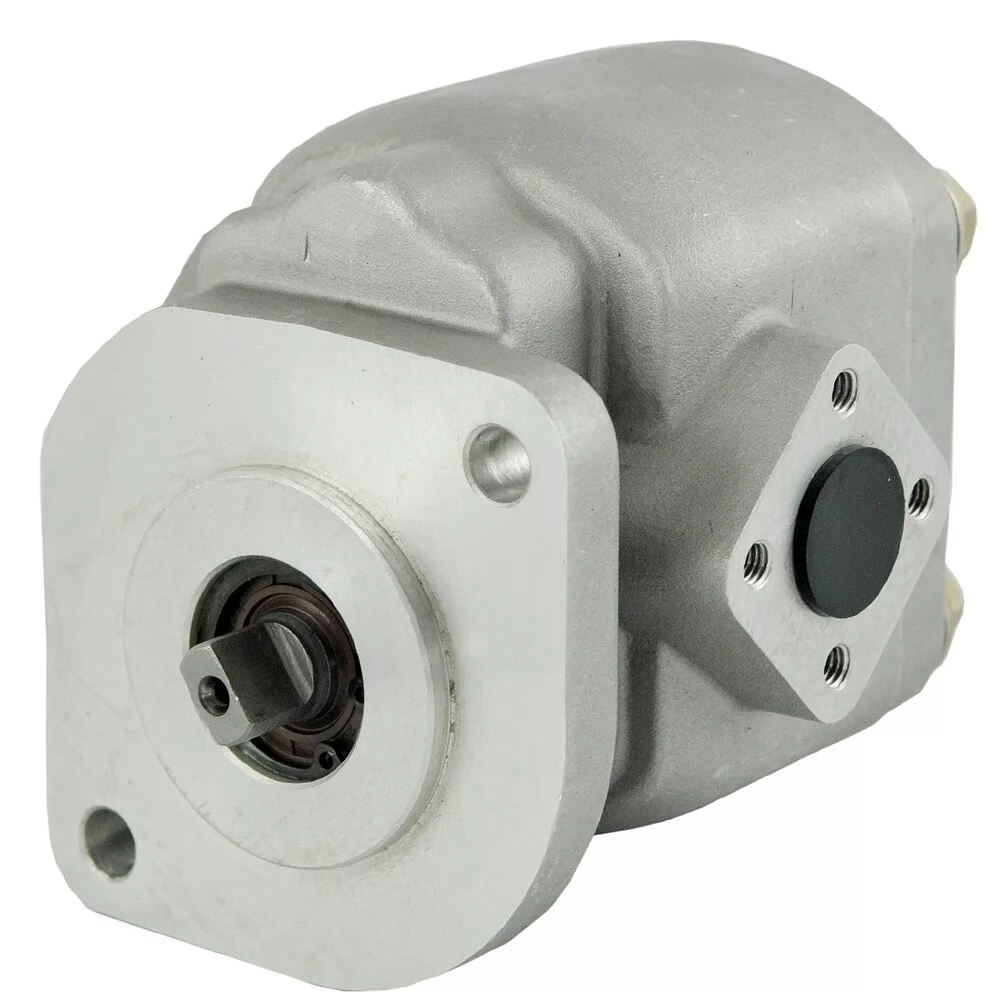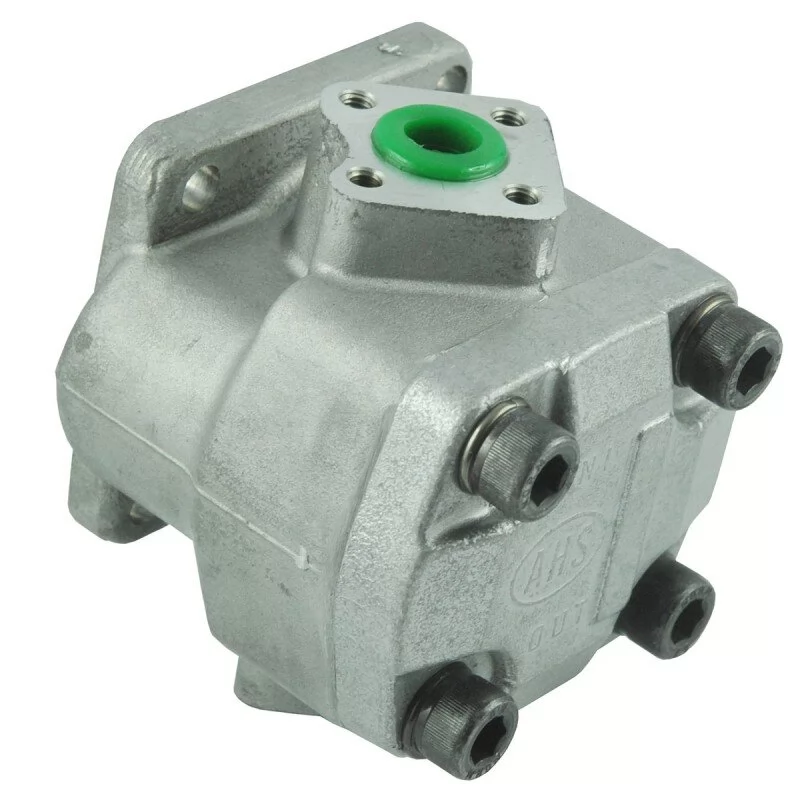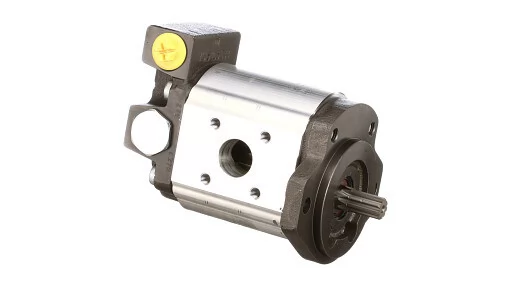

Read the complete assembly code off the failed pump before you request a single price. Every figure in a quotation depends on that string. A tractor hydraulic pump supplier earns the order only if it matches parts by the full code and puts every commercial term in writing. Brand, origin and catalogue size come after that.
- Match by code: the full assembly code decides fit, not the brand on the casting.
- Pick the route per order: dealer, stocked aftermarket and custom builds each suit different jobs.
- Treat tooling as recoverable: on custom pumps, volume can earn the fee back.
- Look for risk in the paperwork: vague terms cause more failures than country of origin.
- Send everything at once: code, machine and quantity together save a round of emails.
Match the Full Assembly Code Before You Compare Anything Else
A replacement tractor pump must be confirmed by its full assembly code, the tractor model and the equipment details before price, lead time or warranty mean anything. A pump with the wrong shaft or rotation costs a return shipment and a machine standing idle, which usually outweighs whatever was saved on the unit price.
An assembly code is the complete part number that identifies one specific build: displacement, rotation, shaft, mounting flange and port arrangement. Two pumps can share a series name and still differ in every one of those details. That is why the code, and not a catalogue photo, is the starting point.
Massey Ferguson Replacement Hydraulic Pump Codes: Where Cross-References Break Down
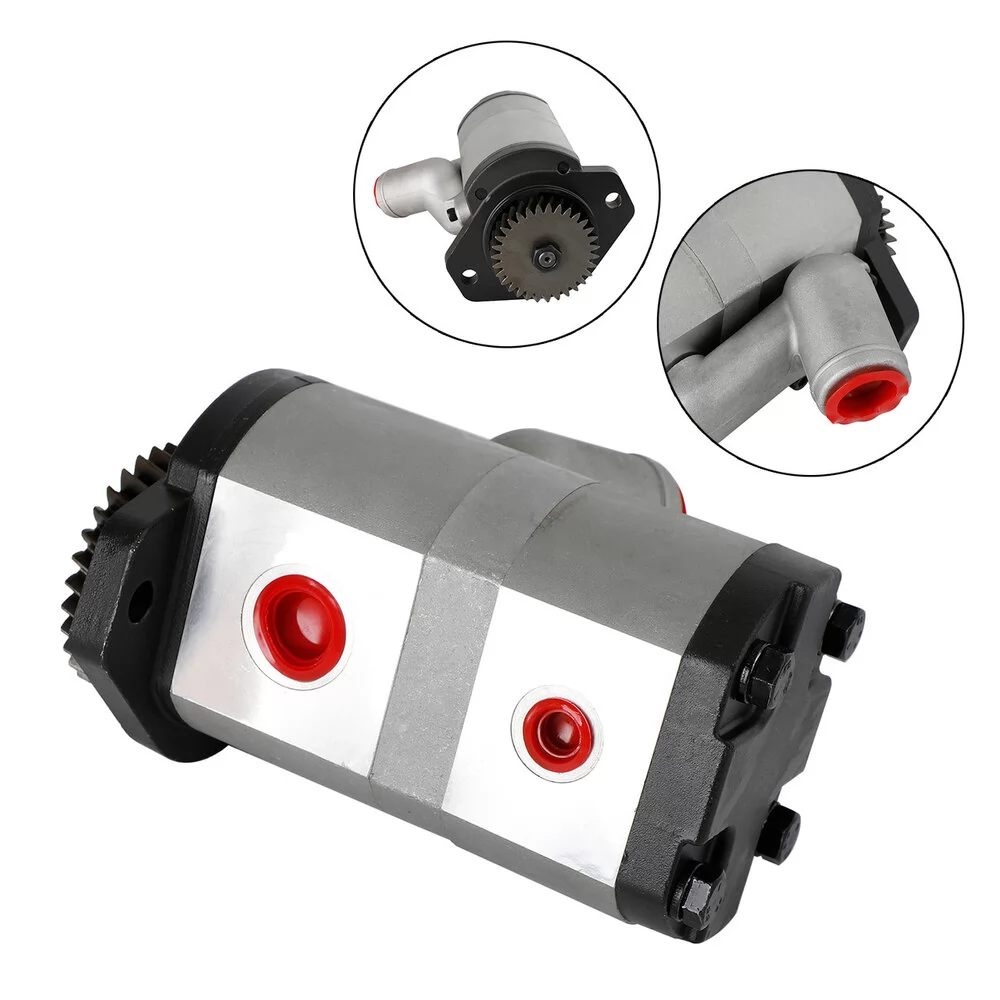
Massey Ferguson parts show the problem clearly. Tractor pumps in this range include tandem pumps, which are assemblies with two pumping sections on one drive shaft, and transmission pumps that feed the gearbox circuit. The same model range has used more than one variant over its production life, so the tractor model alone does not settle which pump was originally fitted.
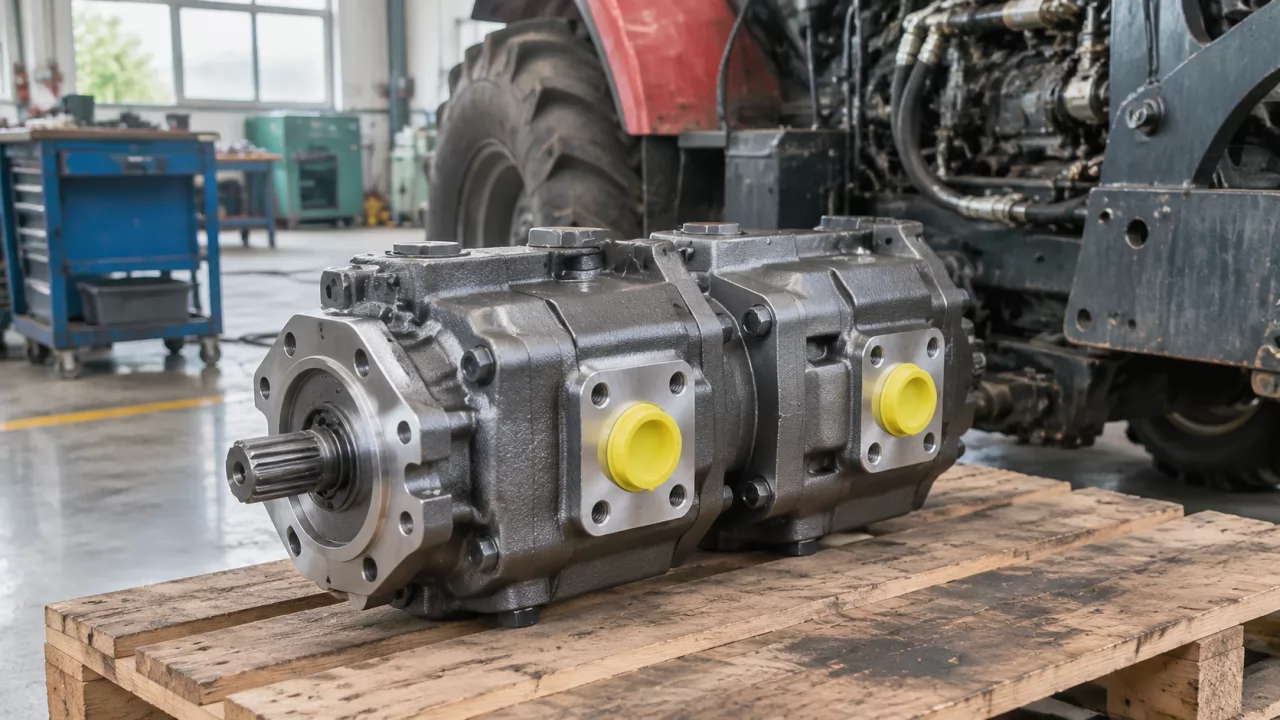
Codes such as 3597706M91 and 3774612M91 are where a cross-reference should end, not where it starts. Each one has to be checked for shaft type, rotation, flange and port layout against the actual pump on the bench. The tractor serial or build data narrows the field further.
Brand names and model numbers in any listing serve only to identify the part. Compatibility depends on the complete assembly code, and a supplier who says otherwise is guessing on your behalf.
How to Source Replacement Tractor Hydraulic Pumps Without a Return Trip
Most wrong shipments trace back to a request that left out one detail. Before you send an RFQ, run through this list:
- Copy the original code from the pump tag or casting, every character.
- Record the tractor model with its serial or build data.
- Confirm rotation direction and shaft type.
- Photograph or sketch the port positions.
- State the quantity for this order and any expected repeats.
- Name the destination port.
A request with all six items can usually be quoted on the first pass, without a back-and-forth over basics.
What Should a Tractor Hydraulic Pump Supplier Put in Writing Before You Order?
A tractor pump quotation should state the unit price by quantity, the tooling fee and its refund quantity, the warranty terms, the trade terms and the agreed quality checks. Anything left verbal becomes a dispute later, so the written quotation is the real contract, whichever route you buy through.
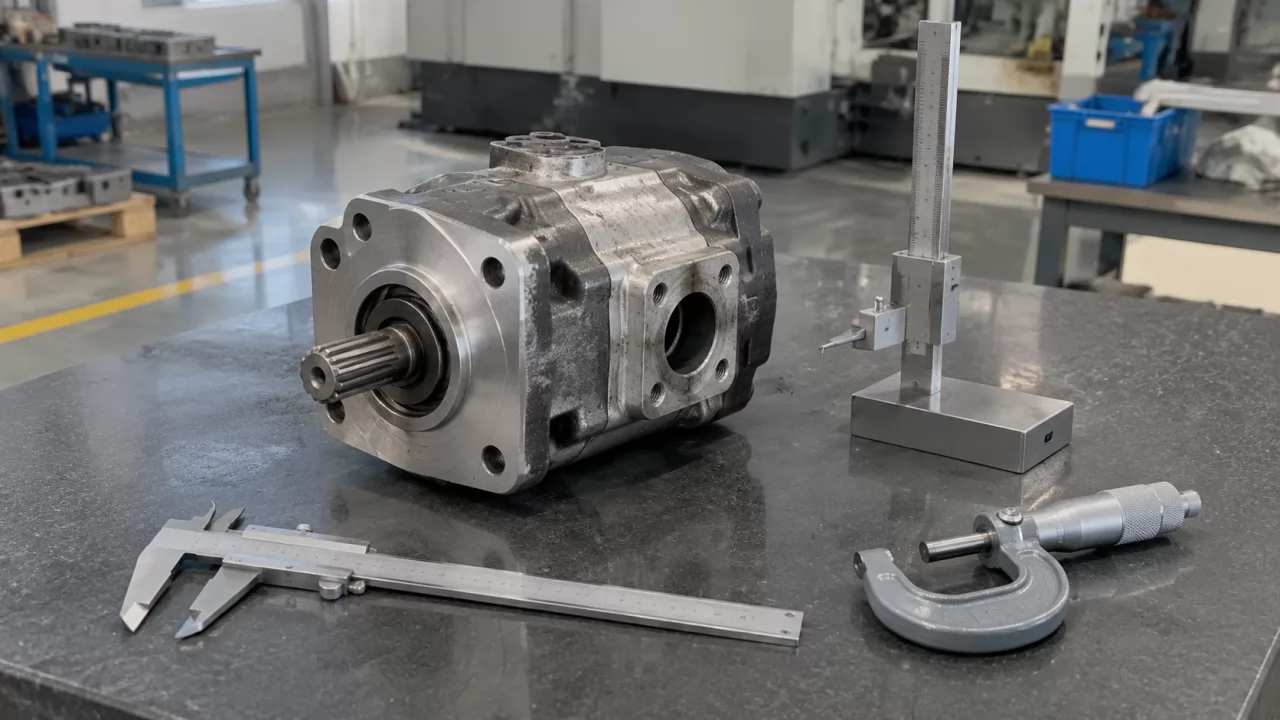
The quality checks deserve the most attention. Dimensional checks, leak inspection and pressure/flow testing where applicable are the usual set for gear pumps, and the documents you need for import should be named alongside them. If a quotation just says "tested", ask what was measured and against which value.
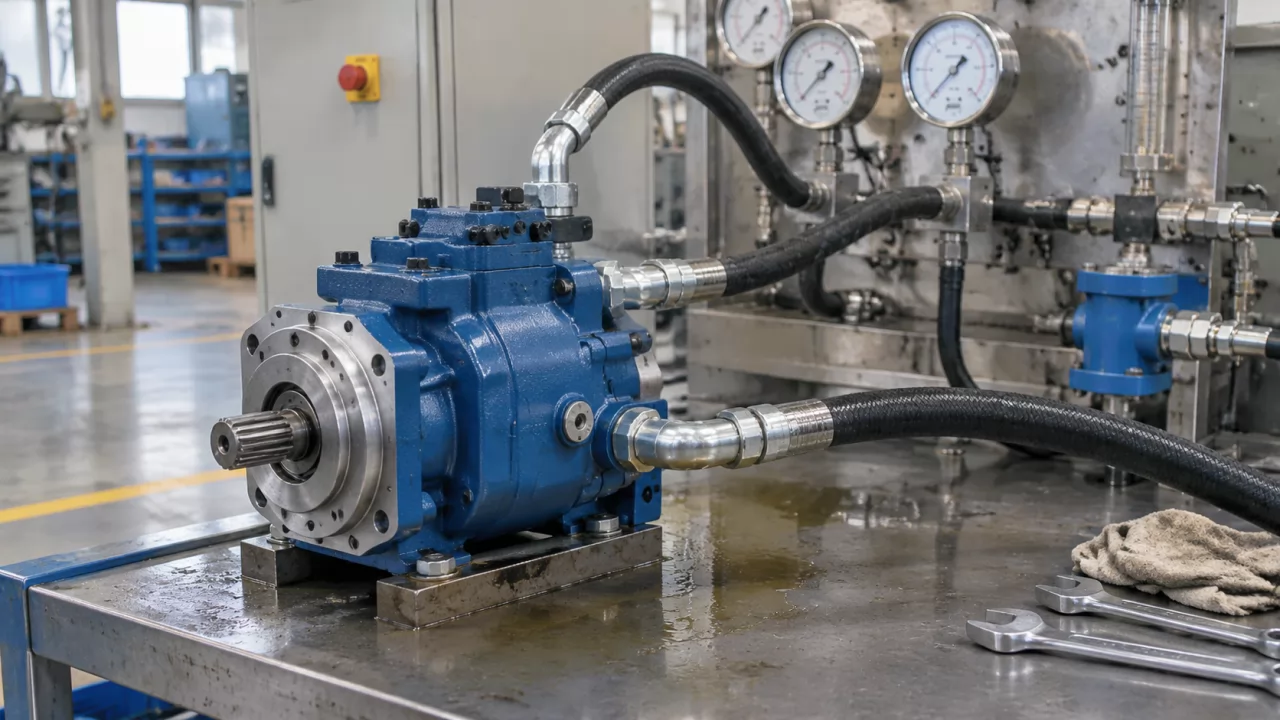
Trade terms matter just as much. Under EXW, the buyer takes over at the seller's facility and arranges freight from there, which suits you if you already have a forwarder and consolidate shipments. Payment terms belong in the same document, not in a chat thread.
The written terms also differ by route. Here is how the three common routes compare:
| Criterion | Dealer original part | Stocked aftermarket pump | Custom-built pump |
|---|---|---|---|
| Matching basis | Tractor maker's part number | Full assembly code cross-reference | Approved sample or drawing |
| Minimum order | Usually single units | Often single units | Set per series in quotation |
| Lead-time driver | Dealer stock and back-orders | Supplier stock on hand | Tooling, sampling and approval |
| Brand marking | Tractor maker's brand | Supplier's marking | Your own brand possible |
| QC visibility | Limited to dealer warranty | Depends on written inspection terms | Checks agreed in quotation |
| Best for | Urgent single repairs | Shelf stock of common codes | Repeat volume, own-brand lines |
For most distributors, stocked aftermarket pumps cover the everyday codes, while custom builds only pay off on models you sell repeatedly.
Custom Tractor Hydraulic Gear Pump OEM: How Tooling, Approval and Timing Actually Work
A custom tractor gear pump needs dedicated tooling, and the tooling fee is paid up front. That fee is refunded in full once cumulative purchases of the model reach the agreed quantity, and multiple orders count towards the total. For repeat programmes, the fee behaves more like a deposit than a sunk cost.
That changes the arithmetic. If you sell a tandem pump model steadily, you can spread volume across several smaller orders, each priced for its own quantity in the quotation, and watch the outstanding tooling balance shrink until it clears. The refund threshold is fixed in writing at the start, so there is no argument later about what counts.
There is a second benefit that matters more than the refund. Every later batch runs from the same tooling, built to your approved drawing, so dimensions stay consistent from one order to the next. Your customers get the same flange and ports in year two as in month one.
From Drawing Approval to Repeat Orders
Before any tooling is cut, the manufacturer should review your original pump sample or approved drawing to confirm the mounting interface, drive and ports. Each stage after that has an input from you and a written output back:
| Stage | Your input | Written output |
|---|---|---|
| Inquiry | Code, machine model, quantity, destination port | Quotation with pricing, tooling and terms |
| Design | Original sample or approved drawing | Design drafts and 3D renders |
| Sampling | Approval of drafts and renders | Sample for fitment check |
| Production | Sample sign-off | Batch with in-process quality control |
| Final inspection | Agreed checks from quotation | 100% inspection before packaging |
| Packaging and shipping | Freight arrangement and documents list | Packed goods ready for handover |
The sample stage is where your money is protected, so do not skip it to save a few weeks. Lead time for each stage is confirmed in the quotation, because it depends on configuration and quantity.
Port Configurations and Your Own Brand Marking
Custom P/T port configurations, meaning the pressure and tank port positions, let a distributor stock one pump that suits the plumbing on several local machines. For resale programmes, your brand marking can replace the manufacturer's on the pump. Both are cheap to settle at drawing stage and expensive to change after tooling.
Is a Tractor Hydraulic Pump Manufacturer in China Worth the Risk?
Buying from a tractor hydraulic pump manufacturer in China carries real risk, but the risk is manageable because it mostly comes from vague specifications and unwritten terms rather than from origin. A buyer who sends a full code, approves a sample and holds a written quotation has removed most of the failure points.
The Strongest Case for Sticking With Dealer Parts
The opposing view deserves a fair hearing. A dealer part arrives with guaranteed fitment for the listed tractor. You have one point of accountability, and a dealer counter will not sell you a counterfeit. For a farmer with one broken machine in harvest week, those are good reasons to pay more.
For someone stocking pumps for resale, the picture shifts. Code-based matching gives the same fitment certainty, provided the full code is checked. A written warranty and agreed inspection terms give a clear point of accountability. A sample before volume answers the counterfeit worry with a part you can measure yourself. Dealer pricing and back-orders, meanwhile, are hard to build a margin on.
The honest limit: an aftermarket route asks more of you. You must collect the code, read the quotation and inspect the sample. Skip that work and the dealer route is the safer bet.
Where a Code-First Supplier Fits
Olive Branch Hydraulics works on these terms for tractor pumps, including tandem and transmission pumps: stocked models from 1 piece, shipped within 3–5 business days, 100% final inspection before packaging and a one-year warranty, with goods supplied EXW Hebei so your forwarder controls the freight.
Where This Leaves Your Next Pump Order
The sourcing route for a tractor pump should be decided per part, not per supplier. Use the dealer for urgent one-offs, stocked aftermarket pumps for common codes and custom tooling for models you sell repeatedly. Whichever route you choose, insist on code-level matching and terms in writing.
FAQ
Will a pump fit if the brand cross-reference matches?
Not necessarily. Fit depends on the complete assembly code, and brand names or model numbers serve only for identification.
Can I order a single pump to test fitment?
Yes, for stocked models. The minimum for custom builds varies by product series and is confirmed in the quotation.
Who handles freight and export paperwork?
You arrange freight, since goods are supplied EXW Hebei. The documents you need are agreed in the quotation before you order.
How do warranty claims work?
Pumps carry a one-year warranty. Coverage scope and the claim procedure are set out in the warranty terms stated in the written quotation.
Send the Code, Get a Quote
A tractor pump quote starts with three details: the model or full assembly code, the quantity and the destination port. Send those to [email protected], add the tractor model if you have it, and our team will reply within 24 hours.