
A dealer forwards a photo of a worn pump. The only text with it: "excavator, need it Friday." Sorting hydraulic components by application narrows the field quickly, but only the complete assembly code confirms a match. This guide covers pump types, machine categories, selection checks, replacement sourcing and the terms a quotation should spell out.
Sourcing pumps and motors by application means starting from the machine and the circuit, such as an excavator main pump, a tractor implement pump or a press power unit, and using that to pick the pump family, pressure class and control. The application gets you to a series. The full assembly code gets you to the exact part.
What Does "By Application" Actually Mean When Sourcing Pumps and Motors?
The application decides four things: the pump type, the pressure class, the control style and the mounting pattern. The complete assembly code then pins down the exact unit. A series name such as A10VO covers dozens of physically different pumps. Two of them can share a nameplate family and still fail to swap.
Read the selection as layers. The machine and its function come first. A travel drive, an implement circuit and a stationary press each call for different hardware. Next is the circuit type. An open-loop circuit draws oil from a reservoir and returns it there. A closed-loop circuit, used in hydrostatic drives, sends oil from the motor straight back to the pump inlet. Then come flow, continuous and peak pressure, and whether the flow must vary with demand.
The last layer is the one that causes returns. Rotation direction, shaft type (splined or keyed), flange standard (SAE or ISO), port type and position, and control options are all written into the assembly code. On a Rexroth-type axial piston pump, the code usually gives the size, the control (for example DR for pressure control or DFR for pressure and flow control), the series, the rotation, and then the shaft, flange and port options in sequence.
For hydraulic pump selection by application, the machine narrows the list to a handful of families. The code closes it to one.
Which Hydraulic Pump Type Suits Industrial Machinery and Mobile Equipment?
Gear pumps suit simple, cost-sensitive circuits with fixed flow. Vane pumps suit quiet, mid-pressure industrial duty. Piston pumps suit high-pressure work where flow must vary with load. Asking which hydraulic pump type is best for industrial machinery therefore comes down to pressure, duty cycle, noise limits and how much control the circuit needs.
The comparison below uses typical figures that vary by manufacturer and size. Check the datasheet of the specific model before quoting. In short, piston pumps cost more and need cleaner oil, and they pay that back where pressure and variable flow matter.
| Criterion | Gear pump | Vane pump | Piston pump |
|---|---|---|---|
| Typical continuous pressure | Roughly 180–280 bar | Roughly 140–280 bar | Roughly 280–350 bar |
| Flow control | Fixed only | Fixed or variable | Fixed or variable |
| Noise level | Moderate to high | Low | Moderate |
| Contamination tolerance | Higher | Medium | Lower |
| Relative cost | Lowest | Medium | Highest |
| Example series | AZPF, PGP511, ALP2 | T6/T7, PV2R, SQP | A2FO, A10VO, A4VSO |
| Suited to | Tractors, auxiliaries, small power units | Machine tools, presses, plastics machinery | Excavators, hydrostatic drives, large presses |
Gear Pumps: Fixed Flow, Tolerant of Rough Service
An external gear pump moves oil between the teeth of two meshing gears and the housing wall, so every revolution delivers a fixed volume. Few moving parts mean a low price and good tolerance of dirty oil. That explains why AZPF, PGP and ALP/GHP units turn up on tractors, small loaders and auxiliary circuits.
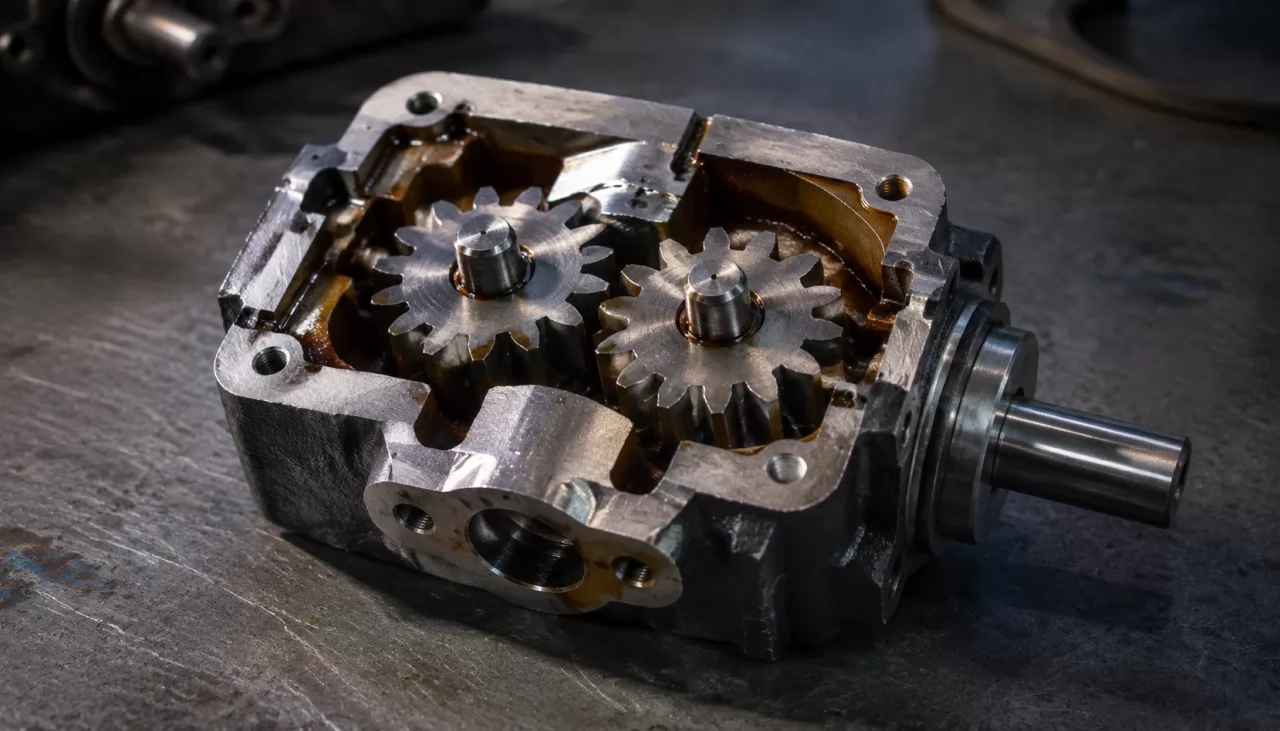
Tandem and multi-section gear pumps stack two to four sections on one shaft. One section can feed steering, another the implement, another cooling or pilot oil. They stop being enough when the circuit needs flow to follow demand. A fixed pump running against a relief valve turns surplus flow into heat, and that cost adds up fast on long duty cycles.
Vane Pumps: Low Noise for Plant Equipment
A vane pump uses sliding vanes in a rotor that turns inside a cam ring, giving smooth delivery with little pulsation. Yuken PV2R double pumps, Vickers SQP units and T6 series pumps are common on presses, machine tools and stationary power units, where operators work beside the machine all shift.
Service is another reason. Many vane pumps take replacement cartridge kits, so a worn pump is rebuilt without changing the mounting. The trade-off is lower tolerance of contamination than a gear pump and a lower pressure ceiling than most piston designs.
Fixed and Variable Piston Pumps: When Load-Sensing and Pressure Control Pay Off
An axial piston pump drives a set of pistons in a rotating cylinder block. Displacement depends on the angle of either a tilting plate or the block itself. In swashplate designs such as A10VO and A4VSO, a tilting plate sets the stroke, which makes variable displacement compact. In bent-axis designs such as A2FO and A7VO, the whole cylinder block sits at an angle to the shaft. That layout handles high pressure and high speed well.
The controls drive the price. A pressure compensator holds a set maximum pressure. Load-sensing, a control that matches pump output to what the actuators actually demand, cuts wasted energy on mobile machines. Horsepower limiters and electro-proportional controls add cost again, so specify only the control the circuit uses.
Hydraulic Components by Application: Excavators, Tractors and Plant Equipment
Each machine category points to a short list of pump and motor families. Excavators and loaders rely on variable piston pumps and piston motors, tractors on gear pumps and orbital motors, and stationary industrial plant on vane and swashplate piston pumps sized for long, continuous duty.
The table maps common functions to the hardware usually found there. Treat it as a starting point for identification, because the machine maker's own part list always decides.
| Application | Typical pump or motor | Example series |
|---|---|---|
| Excavator main pump | Variable piston pump, often tandem | K3V, A8VO, A10VO |
| Excavator travel drive | Variable or fixed piston motor | A6VM, A2FM |
| Hydrostatic drive (loaders, rollers) | Closed-loop variable piston pump | A4VG, A10VG |
| Tractor implement and steering | Gear pump, single or tandem | AZPF, PGP511, ALP2 |
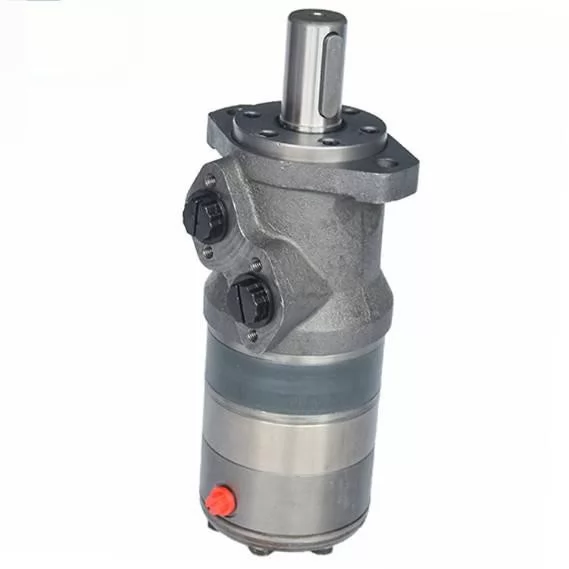
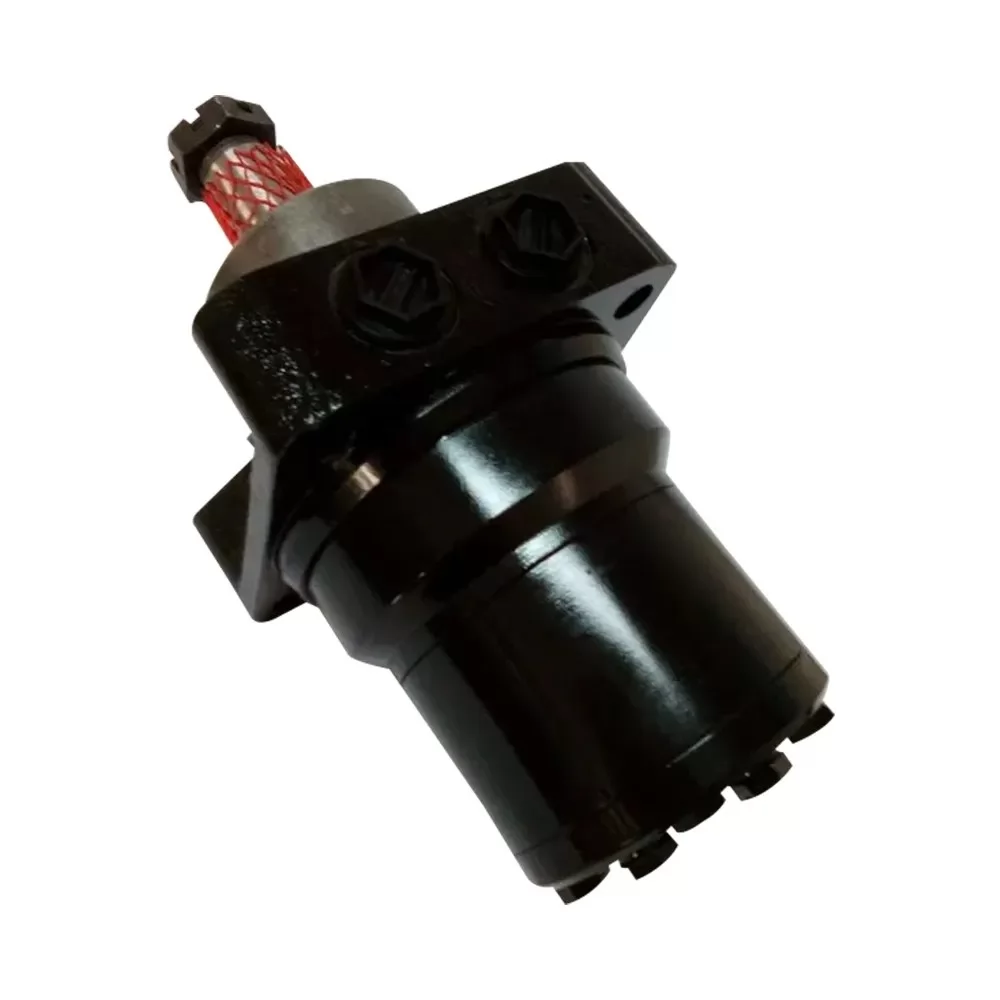
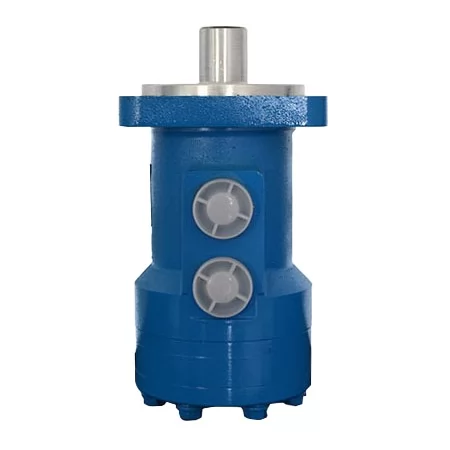
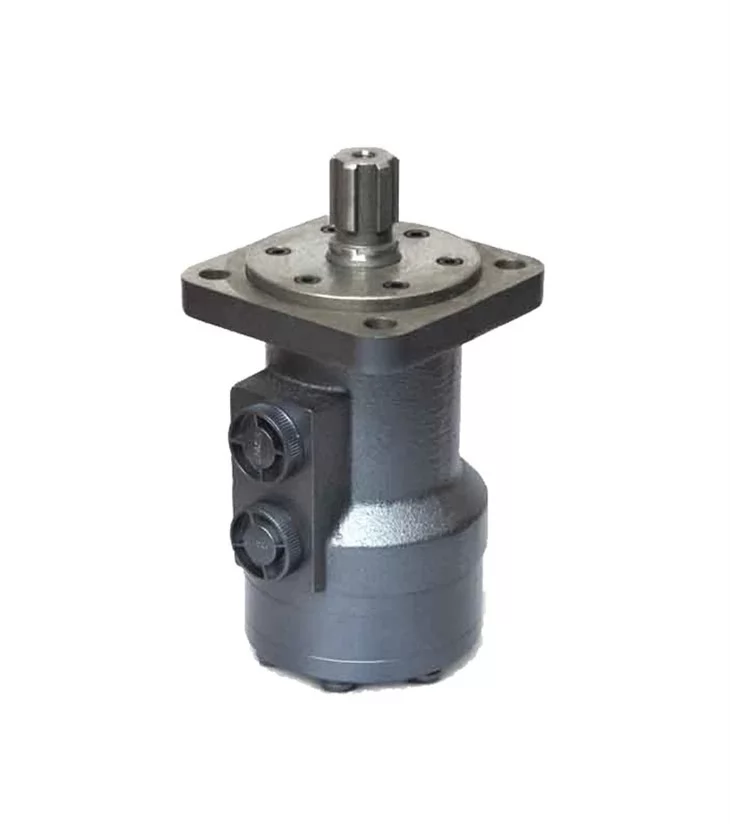
| Auger, spreader or conveyor drive | Orbital motor | OMP, OMS, OMT |
| Hydraulic press | Variable piston or vane pump | A4VSO, PV2R |
| Injection moulding and power units | Variable piston or vane pump | PV, T6/T7, SQP |
Construction Machinery: Main Pumps, Travel and Swing Motors
A parts distributor serving rental fleets typically needs main pumps and travel motors that have to work the day they arrive. Excavator and loader circuits commonly use K3V, A10VO, A8VO or A4VG pumps, with A6VM or A2FM motors on travel and swing functions. Many excavator main pumps are tandem units with a gear pilot pump mounted on the rear. Check the pilot section's code as well as the main pump's, plus the regulator type and any solenoid voltage.
Tractors and Agricultural Equipment: Gear Pumps and Orbital Motors
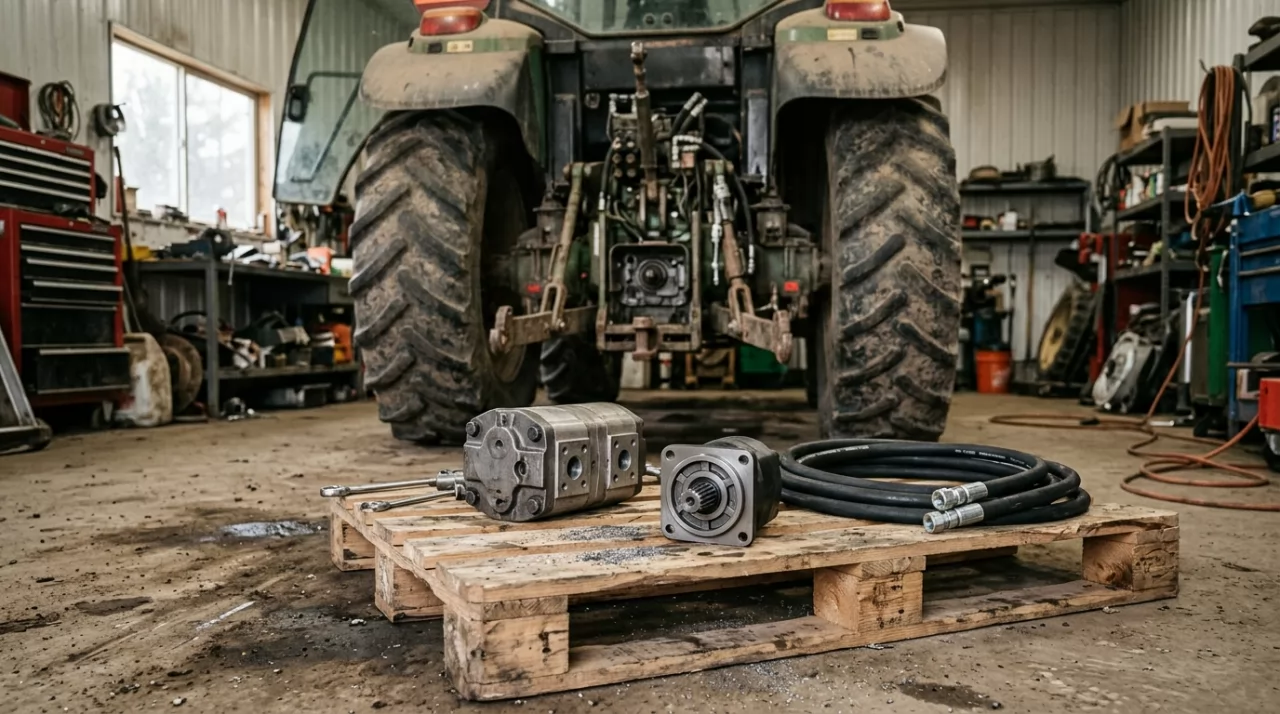
A dealer supplying farm repair shops needs tractor hydraulic gear pumps, transmission pumps and low-speed drive motors at prices that suit seasonal repairs. An orbital motor is a low-speed, high-torque motor that uses a gerotor gear set to turn the shaft directly, so it can drive an auger or conveyor without a gearbox. Check shaft type, flange and port threads first. Agricultural machines mix SAE, metric and BSP threads more often than you might expect.
Industrial Machinery: Presses, Injection Moulding and Power Units
A supplier of maintenance parts to plants deals with machines that may run two or three shifts a day. Long duty cycles and noise limits favour A4VSO, PV and vane pumps. Over the life of the machine, efficiency counts for more than purchase price, because a few points of efficiency lost on a press running around the clock shows up in power bills and oil cooling. Ask for the control type and the response settings, not just size and pressure.
How to Choose Hydraulic Pumps for Construction Machinery and Other Duty Cycles
Choosing a hydraulic pump starts with three numbers: required flow, continuous and peak pressure, and the duty cycle. Once those are set, fix the control type, rotation, shaft, flange and ports. Fluid cleanliness, operating temperature, service access and total cost of ownership then separate a workable choice from a good one.
Work through these checks in order. Each one rules out options before the next one adds detail.
- Flow and pressure: Calculate flow from displacement and drive speed. Rate continuous pressure separately from short peaks, since datasheets list both.
- Duty cycle: A pump at full pressure for most of a shift needs more margin than one cycling briefly. Long duty points toward variable displacement.
- Control and circuit type: Confirm open or closed loop, then the control code. A load-sensing pump on a circuit without a load-sense line will not behave as intended.
- Rotation, shaft, flange and ports: These four come from the assembly code and the old unit, never from the series name.
- Fluid cleanliness and temperature: Piston pumps generally expect tighter cleanliness, often stated as an ISO 4406 code on the datasheet. High oil temperature thins the fluid and speeds wear.
- Service access and total cost: Weigh repair kits, local parts availability and energy use against the purchase price.
Rule of thumb: if the circuit spends most of its time below full flow, a variable pump usually earns back its extra cost. If it runs at constant flow, a fixed pump is the simpler choice.
Note: Rotation direction and P/T port orientation are the most common reasons a pump that is "correct" on paper won't bolt in or won't prime. Confirm rotation viewed from the shaft end, and compare port positions against the old unit before it ships.
How Do You Source Replacement Hydraulic Pumps and Motors for Tractors and Excavators?
Replacement hydraulic pumps and motors for tractors and excavators are sourced from codes and evidence, not from a machine name. Send the nameplate code, the machine maker's part number, the machine model and serial range, and clear photos of the shaft, flange and ports. Without these, a brand and series name is only a guess.
Nameplates wear off, and repainted pumps hide them. When the plate is unreadable, the machine model and serial range let the supplier trace the part through the maker's parts book. Photos taken square to the shaft and port faces, with a tape measure in frame, settle most remaining questions about spline count, keyway and thread size. Olive Branch Hydraulics, for example, matches replacement parts from the original product code, machine model and equipment details rather than from a series label alone.
Note: Brand names and series numbers identify a part for replacement purposes only. Compatibility depends on the complete assembly code, so treat "compatible with" claims as a starting point to verify.
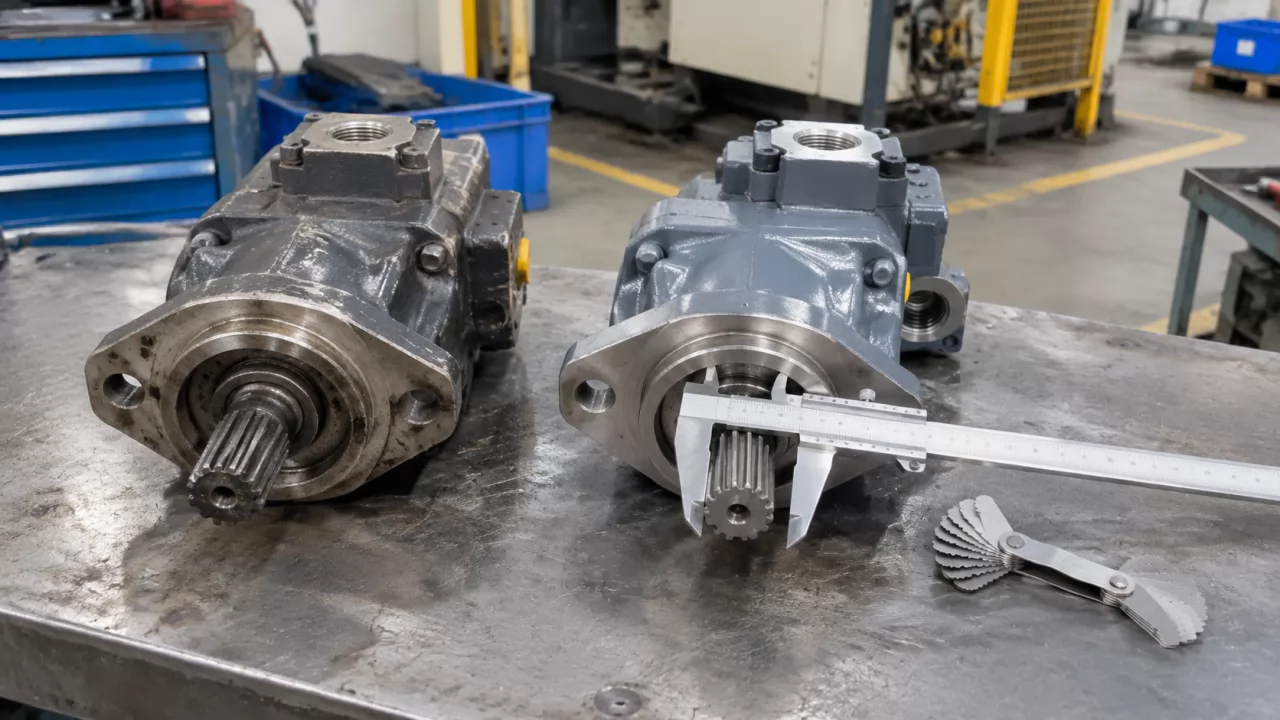
Before you add a model to stock, check one sample against the unit it replaces. Measure the shaft diameter, spline or key and length, and the flange pilot diameter and bolt spacing. Then check port sizes, threads and positions, and confirm the rotation arrow. If the supplier provides test records, look for pressure and flow results at stated conditions and a leak check. Fitting the sample on a real machine for a short trial costs little compared with a returned batch.
Cost Drivers, Minimums and Lead Times on Application-Matched Orders
Stocked catalogue units cost the least and move fastest. Changes to displacement, ports, shaft or flange add tooling and sampling time, and often a higher minimum order quantity. A written quotation should state unit price by quantity, any tooling fee and its refund terms, warranty, Incoterm, QC checks and documents.
Tooling is the item most often misread. On custom gear pumps in particular, some suppliers refund the tooling fee once cumulative orders of that model reach an agreed quantity. Several smaller orders can count toward the total, so the fee works more like a deposit than a sunk cost. Get the refund quantity in writing before the first order.
Agree inspection terms up front too. Dimensional checks, leak inspection and pressure or flow testing where applicable should be named in the quotation, together with any documents you need for customs or your own customers.
On a custom order, each stage should end with a written output you can approve or reject, which keeps disputes to a minimum.
| Stage | Input from you | Written output |
|---|---|---|
| Inquiry | Model or code, quantity, destination | Quotation with prices and terms |
| Design | Specs, drawings or sample unit | Design drafts and 3D renders |
| Sampling | Approval of drawings | Sample with inspection record |
| Production | Sample approval, order confirmation | In-process QC records |
| Final inspection | Agreed checks from quotation | Inspection report per batch |
| Packing and shipment | Marking and shipping instructions | Packing list and shipping documents |
FAQ
Can a gear pump replace a piston pump if the flow matches?
Usually not. Matching flow ignores pressure rating, control and efficiency, and a fixed gear pump cannot vary output the way a piston pump with load-sensing or pressure control does. The swap may also need a different flange, shaft and relief setting.
Is "compatible with A10VO" enough information to place an order?
No. A10VO covers many sizes, controls, rotations, shafts and port options. You need the full assembly code from the nameplate, or the machine part number, before a quote means anything.
Which orbital motor series fit low-speed, high-torque farm equipment?
OMP, OMS and OMT are the usual candidates, in rising order of torque. OMM and OML suit small, light drives, and OMV covers heavy duty. Choose by required torque, speed and shaft type.
What should you inspect on a replacement pump sample before stocking the model?
Shaft, flange, ports and rotation come first, measured against the original unit. Then review pressure, flow and leak test records, and run a short trial on a working machine.