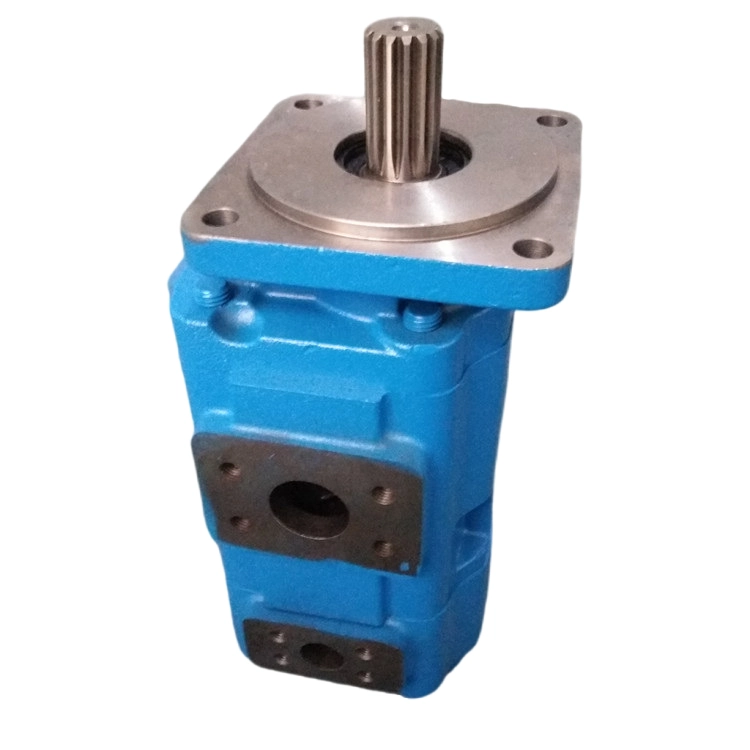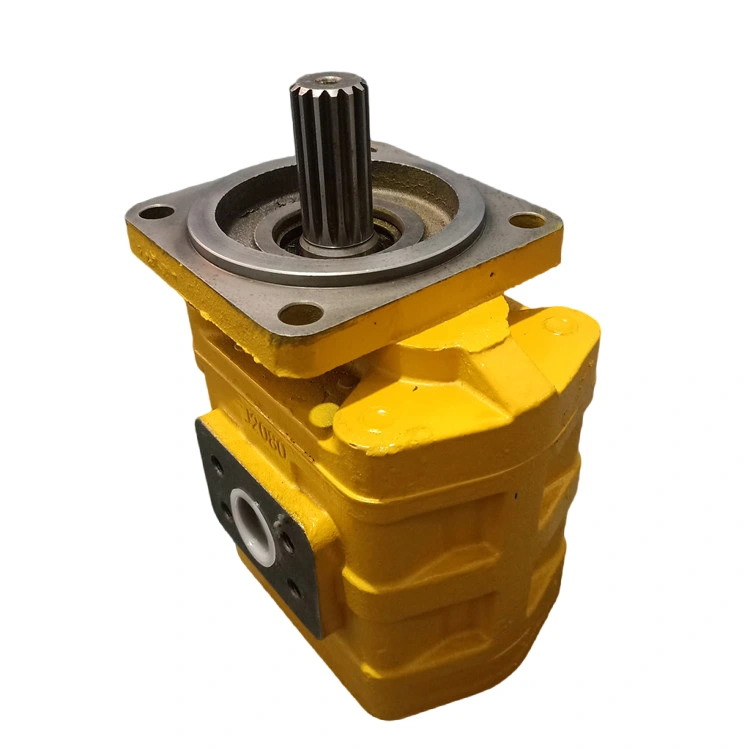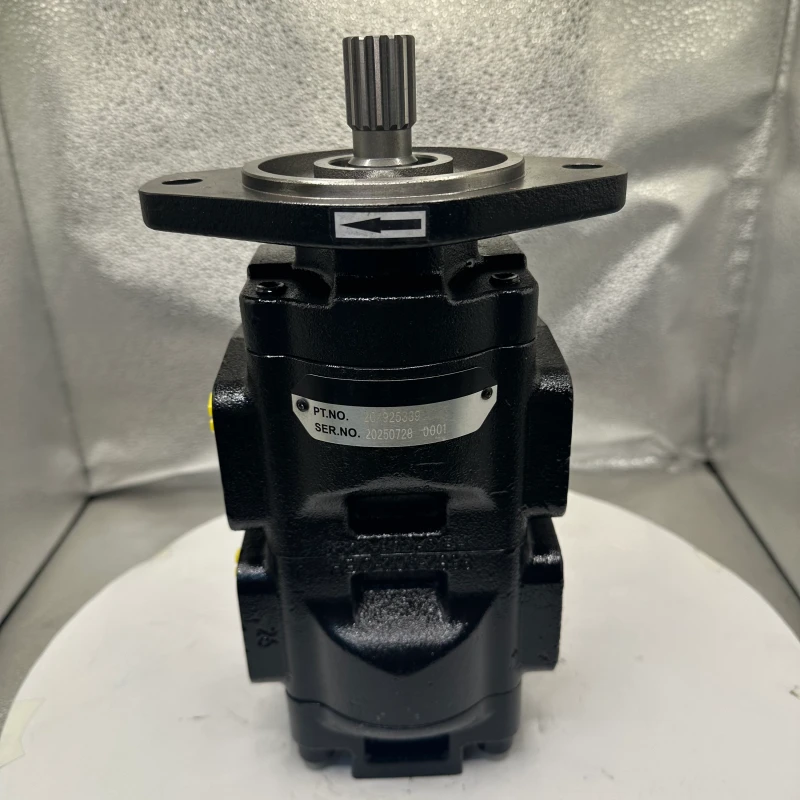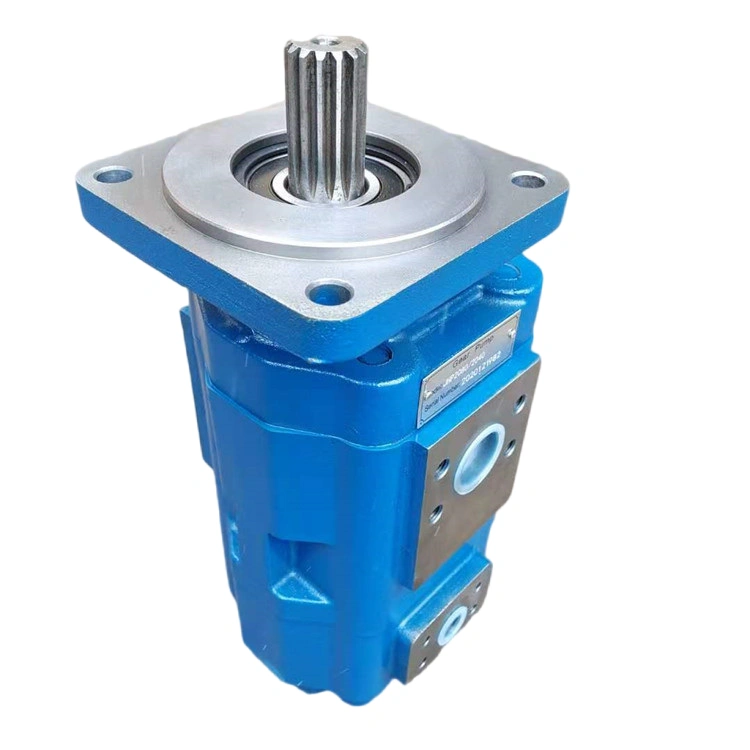

If you've spent any time around heavy machinery — steel mills, injection molding lines, that sort of thing — you already know how much rides on getting hydraulic power right. Rexroth hydraulic pumps are the workhorses sitting at the heart of thousands of industrial setups around the world, turning mechanical energy into reliable hydraulic force. Knowing how they actually work, and what sets them apart, can make the difference between a smooth-running operation and an expensive shutdown.
This guide provides the technical depth needed to specify, troubleshoot, and evaluate Bosch Rexroth axial piston pumps and their alternatives.
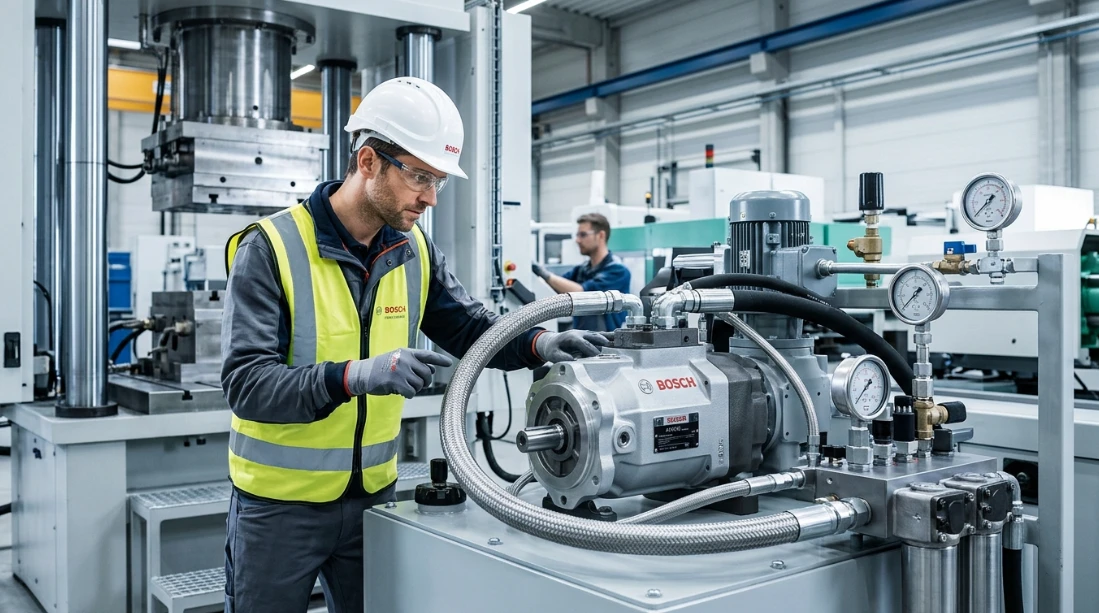
Understanding Rexroth Hydraulic Pumps — Core Overview
What is a Rexroth Hydraulic Pump?
A Rexroth hydraulic pump is a precision-engineered fluid power component manufactured by Bosch Rexroth, a global leader in drive and control technologies with over 200 years of engineering heritage. Its primary function is to convert rotational mechanical energy from an electric motor or engine into pressurized hydraulic fluid flow.
These pumps serve as the heart of any industrial hydraulic power unit, generating the flow and pressure needed to drive cylinders, motors, and actuators across demanding applications. Bosch Rexroth holds a dominant market position due to its consistent investment in research, manufacturing precision, and global service infrastructure.
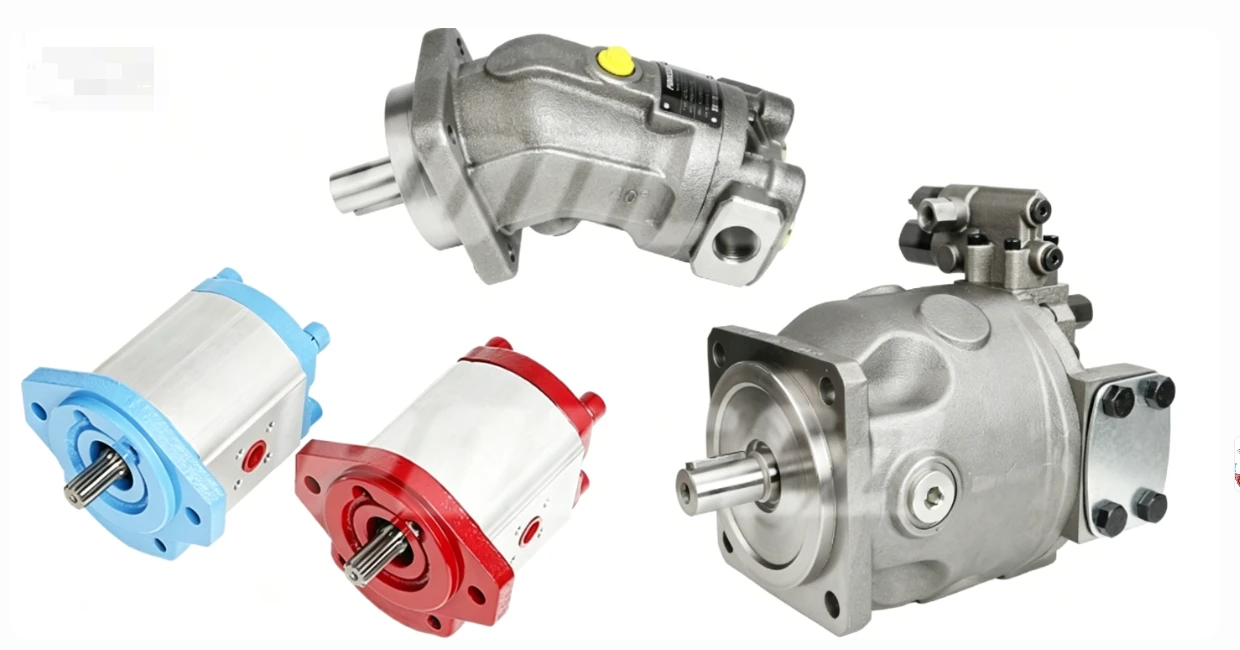
Hydraulic Pump Working Principle
The hydraulic pump working principle centers on creating a pressure differential that forces fluid from a reservoir into the system. As the pump's internal mechanism rotates, it creates expanding chambers that draw fluid in (suction phase) and contracting chambers that push fluid out under pressure (discharge phase).
In a Bosch Rexroth axial piston pump, a rotating cylinder block contains multiple pistons that reciprocate against a swashplate. The angle of this swashplate determines how far each piston travels, directly controlling displacement volume per revolution.
Rexroth engineering optimizes this cycle through precision-lapped mating surfaces, hydrostatic bearing technology, and advanced port plate timing. These refinements minimize internal leakage, reduce pressure pulsation, and maximize the conversion of input torque to useful hydraulic output.
Why Bosch Rexroth Dominates the Market
Bosch Rexroth traces its lineage to Georg Ludwig Rexroth's iron foundry established in 1795 and the Mannesmann Rexroth era of hydraulic innovation. Today, the company operates in over 80 countries with more than 31,000 employees dedicated to fluid power and motion control.
OEMs trust Rexroth because of rigorous quality standards that exceed ISO 9001 requirements, extensive application engineering support, and a parts availability network that minimizes machine downtime globally. Their continuous R&D investment — particularly in variable displacement pump technology and digital integration — keeps them at the forefront of hydraulic efficiency.
Types of Rexroth Hydraulic Pumps
Bosch Rexroth Axial Piston Pump
The Bosch Rexroth axial piston pump represents the company's flagship technology for medium-to-high-pressure applications. These pumps use pistons arranged parallel to the drive shaft, reciprocating against an angled swashplate to generate flow.
Fixed displacement variants deliver constant output per revolution, ideal for systems with steady demand. Variable displacement designs allow the swashplate angle to change during operation, adjusting output from zero to maximum flow without stopping the pump.
High-pressure capabilities reaching 400 bar make axial piston pumps suitable for metal forming presses, injection molding machines, and heavy-duty test rigs where power density matters most.
Rexroth A10VSO Series — Flagship Performance
The Rexroth A10VSO series is the industry benchmark for variable displacement axial piston pumps in closed and open-circuit industrial applications. Designed for pressures up to 280 bar continuous and 350 bar peak, this series covers displacement sizes from 18 to 140 cc/rev.
Key design features include a through-drive capability for tandem pump arrangements, multiple control options (pressure, flow, power, and electrohydraulic), and a noise-optimized cylinder block geometry. The A10VSO excels in applications requiring precise pressure and flow regulation under varying load conditions.
Ideal applications include hydraulic presses, plastic injection molding machines, machine tools, and any industrial hydraulic power unit requiring responsive, energy-efficient operation.
Variable Displacement Pump Technology
Variable displacement pump technology is where Rexroth delivers the greatest energy savings to end users. By adjusting the swashplate angle in real time, the pump matches output flow precisely to system demand — no excess flow is generated and dumped over a relief valve as heat.
Control methods range from simple hydraulic pressure compensators to sophisticated electronic proportional controls. Electrohydraulic actuators respond in milliseconds, enabling the pump to follow complex duty cycles with minimal energy waste.
In practice, switching from a fixed displacement pump with throttle control to a Rexroth variable displacement pump can reduce energy consumption by 30–70%, depending on the load profile. This also reduces cooling requirements and extends fluid life.
Gear Pumps and Vane Pumps by Rexroth
Beyond axial piston technology, Rexroth manufactures external gear pumps (AZPF/AZPB series), internal gear pumps (PGH/PGF series), and vane pumps (PV7 series) for applications where cost, simplicity, or noise characteristics take priority.
External gear pumps offer rugged simplicity and excellent contamination tolerance for machine tool lubrication and conveyor systems. Internal gear pumps deliver exceptionally low noise and pulsation, making them ideal for factory environments with strict noise regulations.
Vane pumps provide a middle ground — quieter than gear pumps with moderate pressure capability — and are widely used in plastics processing and packaging machinery.
| Pump Type | Max Pressure (bar) | Displacement Range | Best Application |
|---|---|---|---|
| Axial Piston (A10VSO) | 280–400 | 18–140 cc/rev | Heavy industry, presses |
| Axial Piston (A4VSO) | 350 | 40–500 cc/rev | Mobile & marine |
| External Gear (AZPF) | 250 | 1–63 cc/rev | Machine tools, conveyors |
| Internal Gear (PGH) | 315 | 16–250 cc/rev | Low-noise applications |
| Vane (PV7) | 160 | 14–150 cc/rev | Plastics, packaging |
Key Features and Technical Advantages
Precision Engineering and Efficiency Ratings
Rexroth hydraulic pumps achieve volumetric efficiencies up to 98% — significantly above the 90–94% industry average. This means nearly all input energy converts to useful hydraulic output rather than being lost as internal leakage and heat.
Mechanical efficiency is equally impressive, thanks to optimized bearing arrangements and hydrostatic relief of critical tribological interfaces. The result is lower torque demand at the input shaft for a given hydraulic output.
Noise reduction technology, including helical port plate timing and optimized piston-slipper assemblies, keeps sound levels between 68–72 dB(A). This is a meaningful advantage in factory environments where operator exposure limits apply.
Intelligent Control Integration
Modern Rexroth pumps feature electronic displacement control (EP, EH, and ED variants) that accept analog or digital command signals. These controls enable precise flow and pressure regulation from PLCs, motion controllers, or Rexroth's own IndraControl systems.
IoT-ready sensor packages monitor internal pressure, case drain flow, temperature, and vibration. This data feeds into predictive maintenance algorithms that detect degradation before catastrophic failure occurs.
Compatibility with Rexroth's Sytronix variable-speed pump drive systems allows the pump and motor to operate as an integrated unit, further reducing energy consumption by up to 80% in partial-load conditions.
Durability and Service Life
Rexroth achieves 20,000+ hour service life through careful material selection — hardened steel pistons, bronze-alloy valve plates, and case-hardened cylinder blocks. Each mating surface is precision-ground and lapped to micro-inch tolerances.
Bearing designs use a combination of hydrostatic and hydrodynamic lubrication to eliminate metal-to-metal contact during normal operation. This dramatically reduces wear rates compared to purely hydrodynamic designs.
Contamination tolerance is enhanced through tight internal clearances that resist particle ingress and self-cleaning port plate geometries. However, maintaining fluid cleanliness to ISO 18/16/13 or better remains essential for achieving rated service life.
| Feature | Rexroth Advantage | Industry Standard |
|---|---|---|
| Volumetric Efficiency | Up to 98% | 90–94% |
| Noise Level | 68–72 dB(A) | 75–82 dB(A) |
| Service Life | 20,000+ hours | 12,000–15,000 hours |
| Pressure Ripple | < 2% | 3–5% |
| Operating Temp Range | -40°C to +115°C | -20°C to +90°C |
Applications of Rexroth Hydraulic Pumps
Industrial Manufacturing and Automation
In industrial manufacturing, Rexroth pumps power hydraulic presses delivering thousands of tons of force, CNC machine tool clamping and feed systems, and die-casting machines requiring precise shot control. The Rexroth A10VSO series is particularly prevalent in these applications due to its responsive control and high duty-cycle capability.
Industrial hydraulic power unit configurations often use multiple Rexroth pumps in tandem — a high-pressure variable pump for the working stroke and a fixed-displacement pump for rapid traverse and auxiliary functions. This architecture maximizes both performance and energy efficiency.
Mobile and Construction Equipment
Excavators, wheel loaders, cranes, and agricultural harvesters depend on Rexroth mobile pumps (A4VG, A4VSO series) for propel drives and implement functions. These pumps withstand extreme vibration, contamination, and temperature swings encountered in outdoor environments.
Load-sensing and pressure-compensated controls allow a single pump to serve multiple actuators simultaneously without flow interaction. This simplifies mobile hydraulic circuits while maintaining precise operator control.
Marine and Offshore Systems
Rexroth pumps drive deck cranes, anchor winches, steering gear, and stabilizer systems aboard vessels ranging from fishing boats to offshore platforms. Marine-grade specifications include corrosion-resistant housings, special seal materials, and classification society approvals (DNV, Lloyd's, ABS).
The ability to operate with biodegradable hydraulic fluids (HEES, HETG) makes Rexroth pumps compliant with environmental regulations in sensitive marine ecosystems.
Energy Sector
Wind turbines use Rexroth hydraulic pumps for blade pitch control — adjusting blade angle to optimize energy capture and protect the turbine in high winds. These systems demand extreme reliability since turbine nacelles are difficult to access for maintenance.
In conventional power plants, Rexroth pumps operate steam turbine control valves, generator hydrogen seal oil systems, and coal mill loading cylinders. Nuclear applications leverage Rexroth's quality documentation and traceability capabilities.
Selecting the Right Rexroth Hydraulic Pump
Matching Pump to System Requirements
Proper pump selection starts with defining four parameters: required flow rate (liters per minute), maximum system pressure (bar), duty cycle (continuous vs. intermittent), and hydraulic fluid type. These determine the pump family, frame size, and control variant.
Flow requirements are calculated from actuator speeds and areas. Pressure requirements come from load forces plus system losses. Always add a 10–15% margin for aging and temperature effects.
Fluid compatibility is critical — standard NBR seals suit mineral oils, while FKM (Viton) seals are required for synthetic or fire-resistant fluids. Specifying the wrong seal material leads to rapid failure.
Fixed vs. Variable Displacement Decision Matrix
| Criteria | Fixed Displacement | Variable Displacement |
|---|---|---|
| Initial Cost | Lower | Higher |
| Energy Efficiency | Moderate | High |
| Heat Generation | Higher | Lower |
| Control Complexity | Simple | Advanced |
| Best For | Constant-load systems | Variable-load systems |
Choose fixed displacement when the system operates at constant pressure and flow with minimal idle time. The lower purchase price and simpler controls make sense for dedicated single-function circuits.
Choose variable displacement pump technology when loads vary significantly, idle time is substantial, or energy costs justify the higher initial investment. Payback periods of 6–18 months are common in industrial applications running multiple shifts.
Common Sizing Mistakes to Avoid
Oversizing: Selecting a pump larger than needed increases cost, wastes energy during partial-load operation, and can cause control instability. An oversized pump operating at minimum displacement generates excessive case drain flow and heat.
Undersizing: A pump too small for the application runs continuously at maximum displacement and pressure, accelerating wear and eliminating any performance margin for system aging or unexpected demand spikes.
Ignoring system back-pressure: Failing to account for return line pressure, filter pressure drops, and cooler losses leads to insufficient actuator speed. Always calculate total system pressure including all line losses, not just the load-induced pressure.
Maintenance and Troubleshooting
Preventive Maintenance Schedule
Oil analysis should be performed every 500 operating hours or quarterly, whichever comes first. Test for particle count (ISO 4406), water content, viscosity change, and acid number. Trending these values reveals degradation before it causes pump damage.
Pressure-line filters should be changed when the differential pressure indicator triggers, or at 2,000-hour intervals. Return-line and case-drain filters follow similar schedules. Never bypass a clogged filter — this sends contamination directly through the pump.
Inspect shaft seals annually for external leakage. Check mounting bolt torque, coupling alignment, and inlet hose condition at the same interval. Document all findings to build a maintenance history that supports predictive scheduling.
Common Failure Symptoms and Causes
Excessive noise: A sudden increase in pump noise typically indicates cavitation (insufficient inlet flow), aeration (air entering the suction line), or internal wear creating metal-to-metal contact. Check inlet vacuum — it should not exceed 0.3 bar below atmospheric.
Overheating: Case drain temperature exceeding 80°C signals excessive internal leakage from worn pistons, slippers, or valve plates. Measure case drain flow — if it exceeds 5% of rated pump output, internal components need inspection.
Pressure loss: Inability to reach set pressure with the pump at full displacement indicates worn internal components, a failed compensator, or an external leak. Isolate the pump from the circuit and test against a dead-head gauge to differentiate pump issues from system issues.
Extending Pump Lifespan
Fluid cleanliness: Maintain ISO 18/16/13 cleanliness or better. Over 80% of hydraulic pump failures trace back to contamination. Invest in quality filtration and breathers — they cost a fraction of a pump replacement.
Temperature management: Keep fluid temperature between 40–55°C for optimal viscosity and lubrication. Install coolers sized for worst-case ambient conditions and monitor temperature continuously.
Proper break-in: New or rebuilt Rexroth pumps require a controlled break-in procedure — typically 30 minutes at low pressure with gradual step increases. This allows mating surfaces to conform and establish hydrodynamic film. Skipping break-in dramatically shortens service life.
Frequently Asked Questions (FAQ)
What does a Rexroth hydraulic pump do?
A Rexroth hydraulic pump converts mechanical energy from an electric motor or engine into hydraulic fluid flow and pressure. This pressurized fluid then powers industrial actuators, hydraulic motors, and cylinders to perform work such as pressing, lifting, clamping, and moving loads.
How long does a Rexroth hydraulic pump last?
Rexroth hydraulic pumps typically deliver 20,000+ operating hours of service life when maintained properly. Achieving this requires clean hydraulic fluid (ISO 18/16/13 or better), correct viscosity, controlled operating temperatures, and adherence to recommended maintenance intervals.
What is the difference between A10VSO and A4VSO series?
The Rexroth A10VSO series targets industrial stationary applications such as presses, machine tools, and power units, with displacements from 18–140 cc/rev. The A4VSO is designed for higher displacement requirements (40–500 cc/rev) in mobile equipment, marine systems, and open-circuit applications requiring greater flow capacity.
How does variable displacement pump technology save energy?
Variable displacement pump technology adjusts output flow to match real-time system demand by changing the swashplate angle. This eliminates the energy wasted in fixed-displacement systems where excess flow is dumped over relief valves as heat. Energy savings of 30–70% are typical in applications with varying load profiles.
Can Rexroth pumps integrate with digital monitoring systems?
Yes — modern Rexroth pumps support sensor integration for pressure, temperature, case drain flow, and vibration monitoring. This data connects to IoT-enabled hydraulic power units and predictive maintenance platforms, enabling condition-based monitoring and early fault detection through Rexroth's ODiN or third-party analytics systems.
What hydraulic fluid is recommended for Rexroth pumps?
Standard recommendations include HLP or HVLP mineral-based hydraulic oils in ISO viscosity grades VG 32 to VG 68, depending on operating temperature range. Specific Rexroth pump series also support biodegradable fluids (HEES, HETG), water-glycol, and phosphate ester fire-resistant fluids — always verify compatibility in the pump's technical data sheet.