
Picking the right motor for your snowplow rig isn't glamorous work, but it's the difference between finishing a route on time and watching a storm bury your accounts. This guide walks through the major motor types, brand-by-brand strengths, real cold-weather performance, and the replacement choices that actually move the needle for working operators.
Quick Overview: What This Review Covers
We're cutting through the spec-sheet noise to give you a practical breakdown of snowplow motor categories, the top brands competing for your dollar, performance benchmarks pulled from contractor field reports, and a clear framework for replacement decisions.
Who This Guide Is For
This is written for snow removal contractors running multi-truck fleets, municipal yard managers planning seasonal rebuilds, equipment dealers fielding parts questions, and seasoned DIY operators who'd rather wrench than pay shop labor. If you've ever stood in a parts aisle wondering whether the OEM box is worth double the aftermarket price, you're in the right place.
How We Evaluated Each Motor
We weighed each unit against amp draw under load, lift speed in seconds from blade-down to full-up, rated duty cycle, IP sealing rating, warranty terms, and most importantly, how each one performs in real cold-weather conditions after a season of brine exposure.
Understanding Snowplow Motor Types
Before comparing brands, it helps to know what category of motor you're shopping for. The terminology gets muddled across catalogs, so here's the clean breakdown.
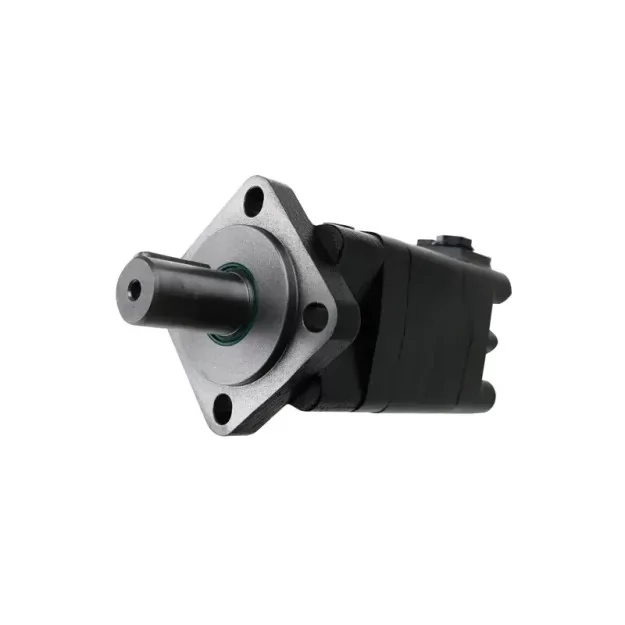
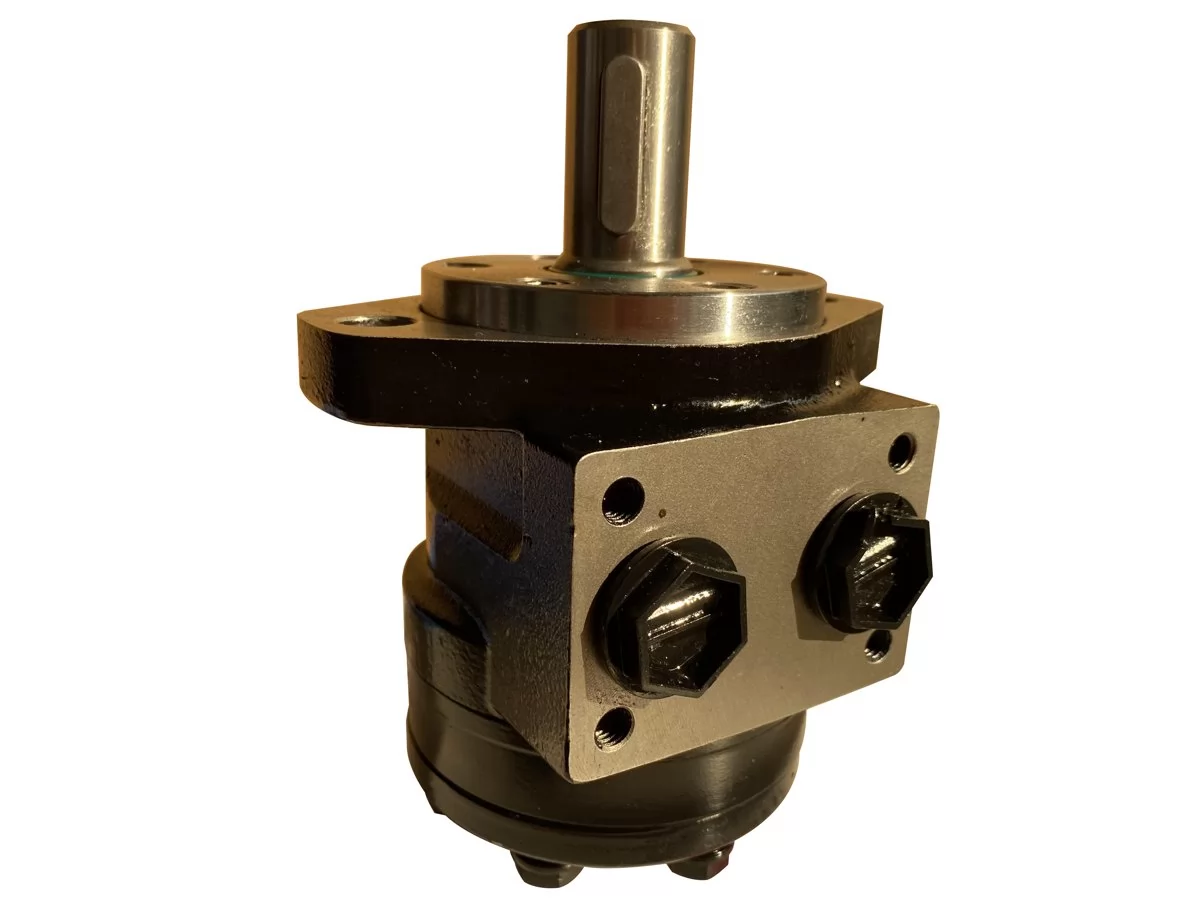
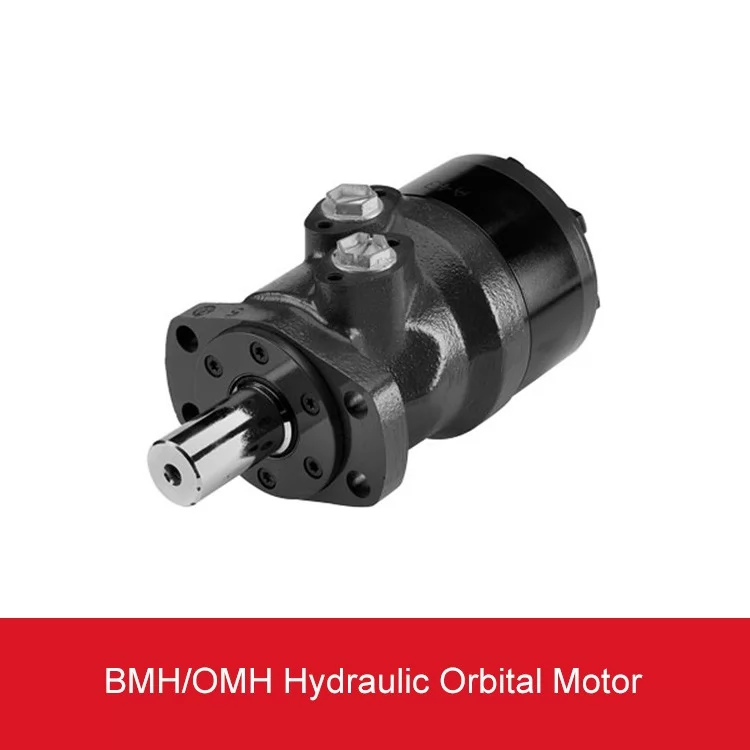
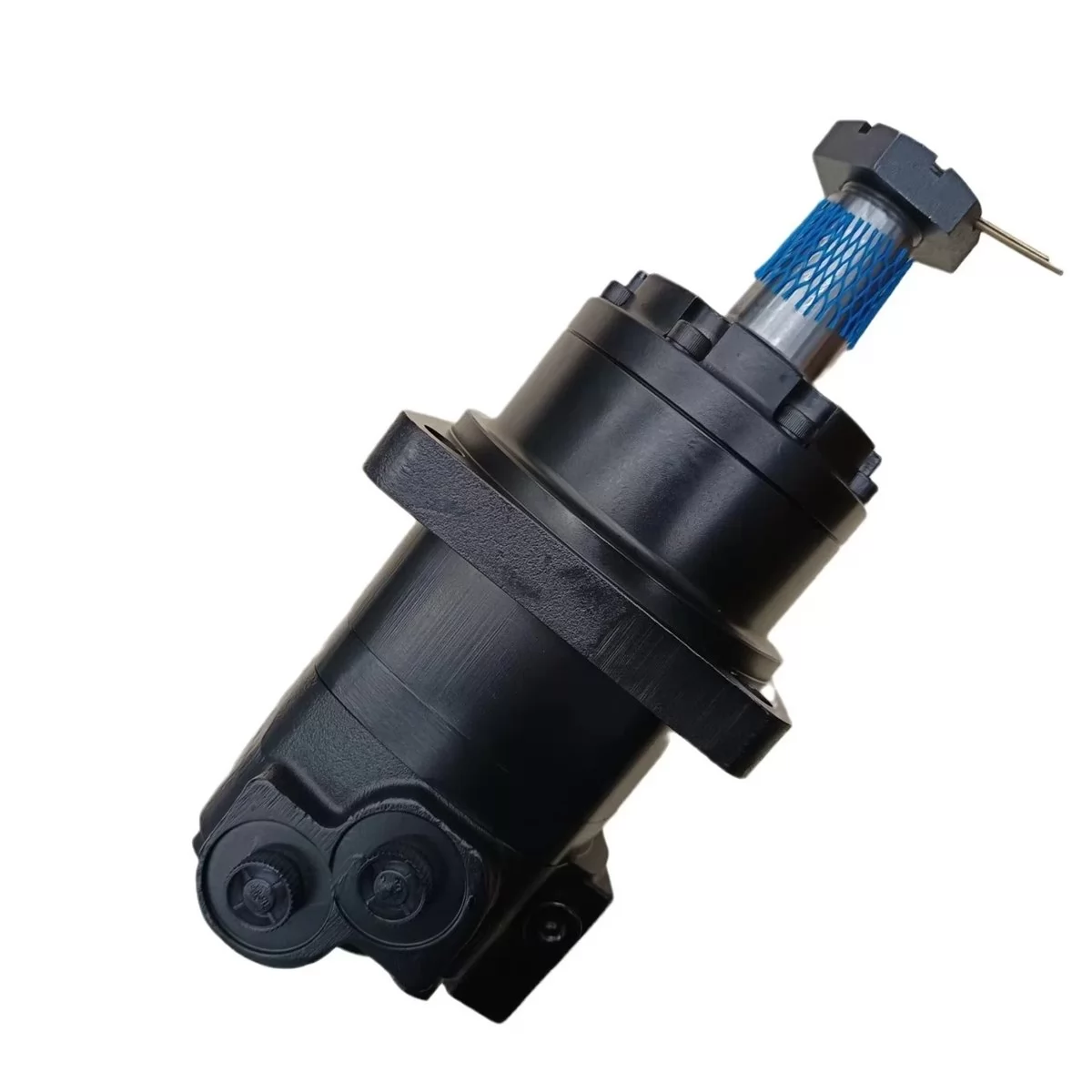
Snowplow Hydraulic Motor: The Workhorse
A snowplow hydraulic motor drives the pump that pressurizes fluid for lift, angle, and down-pressure functions on commercial plows. These are the units you'll find on most heavy-duty straight blades and V-plows from Fisher, Western, and Boss.
The motor itself doesn't move the blade directly. It spins a hydraulic pump, which in turn moves cylinders that push the blade where you point it.
Common Voltage and Amp Draw Ranges
Almost every commercial snowplow motor on the market runs on 12V DC, drawing power straight from the truck battery. Peak amp draw under load typically lands between 160A and 220A, with brief spikes higher when lifting a loaded blade.
Those numbers matter because a stock alternator on a half-ton pickup often tops out around 130A. Without an upgrade or a second battery, you'll watch your voltage sag every cycle.
Snow Plow Electric Motor: Lightweight and Responsive
Direct-drive electric motors skip the hydraulics entirely. Instead, they use an electric actuator or worm-drive setup to move the blade.
A snow plow electric motor shines on light-duty applications: ATV plows, UTV setups, and sub-8-foot residential blades. They cycle faster on short pushes and don't require fluid maintenance, but they top out before the loads heavy commercial routes demand.
Snowplow Pump Motor vs. Standalone Drive Motor
Catalogs use "snowplow pump motor" and "snowplow motor" almost interchangeably, which causes plenty of wrong-part returns. The distinction is real, though.
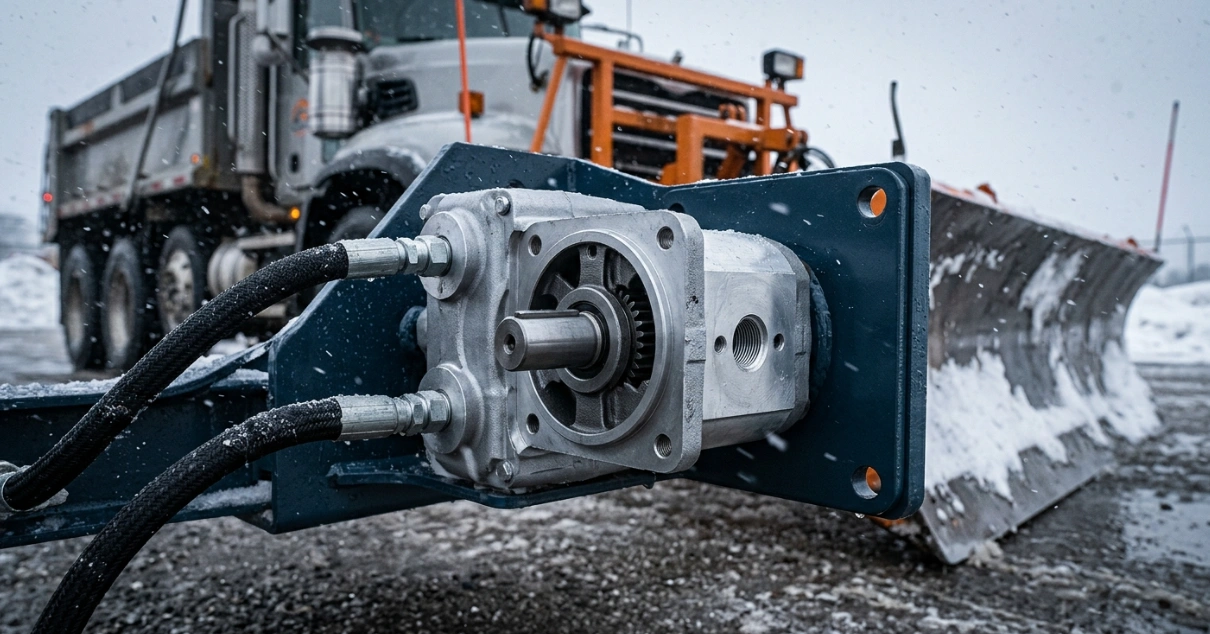
An integrated snowplow pump motor is built as a single sealed unit with the hydraulic pump. A standalone drive motor mounts separately and connects to the pump via a coupler. Meyer E-47 and E-57 systems use the integrated style, while some older setups separate the two.
Snow Blower Engine vs. Snowplow Motor
Worth a quick note since these terms collide in search results. A snow blower engine is a gas-powered combustion unit running an auger and impeller on a walk-behind or two-stage thrower. A snowplow motor is a 12V DC electric unit running off your truck.
If you're shopping for a snowblower replacement motor, you're looking at Tecumseh, LCT, or Briggs gas engines, not the parts in this guide.
Snowplow Motor Comparison Table: Specs at a Glance
Here's a side-by-side view of the most popular OEM and aftermarket motors moving through dealer counters this season.
| Motor Model | Type | Voltage | Peak Amps | Lift Speed | Compatible Plows | Avg. Price (USD) |
|---|---|---|---|---|---|---|
| Fisher 21500K-1 | Hydraulic Pump Motor | 12V | 200A | 2.5 sec | Fisher MM2, HD2, HT | $245 |
| Western 56062K | Hydraulic Pump Motor | 12V | 200A | 2.8 sec | Western Ultra/Pro Plus | $235 |
| Meyer 15054 | Pump Motor | 12V | 180A | 3.0 sec | Meyer E-47, E-57, E-60 | $165 |
| Boss HYD01685 | Hydraulic Motor | 12V | 210A | 2.4 sec | Boss V-XT, Straight Blade | $275 |
| SnowEx D6106 | Electric Motor | 12V | 160A | 3.2 sec | SnowEx Light Duty | $189 |
| SAM 1306325 | Aftermarket Replacement | 12V | 195A | 2.7 sec | Universal (Western/Fisher fit) | $135 |
Reading the Numbers
Lift speed differences look small on paper, but multiply 0.5 seconds by 400 cycles in a 12-hour storm event and you're losing real minutes per route. Faster cycles also mean less time with the motor pulling peak amps.
Amp draw is the spec that quietly kills batteries. A 210A motor cycling repeatedly on a truck with a marginal charging system will leave you with a no-start situation by 4 a.m.
Brand-by-Brand Review
Now to where the rubber meets the road. Each brand carries its own personality once you've spent enough seasons behind it.
Fisher Snowplow Motors
Fisher has built its reputation on sealed housing construction and dealer network reach. You can walk into almost any northeast plow shop on a Saturday morning and walk out with a 21500K-1 in hand.
Strengths and Weaknesses
Fisher motors hold up well in salt-heavy coastal environments thanks to their sealed end caps. Where wear shows up first is the brush assembly, especially on units that see heavy commercial cycling. Plan on inspecting brushes every two seasons.
Western Snowplow Motors
Western and Fisher share a parent company (Douglas Dynamics), which means significant cross-compatibility on motor housings, brush kits, and even some complete units. For replacement sourcing, that's a quiet advantage when one part is backordered and the other isn't.
Field reliability tracks closely with Fisher. The 56062K is a near-twin of the 21500K-1 in performance, with minor mounting differences.
Meyer Snowplow Motors
Meyer is the budget-friendly veteran. The E-47 has been on trucks since the 1970s, and parts availability is excellent because so many units are still in service.
The trade-off shows up in modern E-series compatibility. Newer Meyer E-60 and E-68 systems use updated motor specs, and grabbing the wrong vintage part is a common mistake. Always verify by part number, not by visual match.
Boss Snowplow Motors
Boss commands premium pricing and earns it with higher amp output and faster cycle times. V-plow operators love them because the wing articulation demands quick, consistent hydraulic response.
The downside is moderate battery drain. Plan your electrical upgrade accordingly if you're putting a Boss V-XT on a half-ton truck.
SnowEx and Other Light-Duty Brands
SnowEx fits the sweet spot for sub-8-foot plows and landscape contractors running compact fleets. The D6106 electric motor is responsive on short residential routes and skips hydraulic maintenance entirely.
Push it onto a heavy commercial route and you'll cook it. Stay within the rated duty cycle.
Aftermarket Brands (SAM, Buyers Products, Smittybilt)
Aftermarket motors from SAM (Buyers Products) and similar suppliers offer 30-45% savings versus OEM. Performance specs land within a few percentage points of factory units, but warranty terms tighten significantly.
Most aftermarket motors carry 90-day to one-year coverage, versus one-to-two-year OEM warranties. For a backup motor sitting in your shop, that's a fine trade. For a primary unit on a high-cycle truck, do the math carefully.
Performance Benchmarks: Cold Weather Testing
Specs on a box don't tell you how a motor behaves at 4 a.m. on the third storm of the week. Contractor surveys and independent bench data fill in that gap.
Cold-Start Performance at -20°F
Cold-soak testing pulls motors after a 12-hour outdoor sit at sub-zero temperatures, then measures first-cycle time and battery voltage drop.
| Brand | Cold Start Success Rate | Avg. First-Cycle Time | Battery Drain |
|---|---|---|---|
| Fisher | 98% | 3.1 sec | Low |
| Western | 97% | 3.2 sec | Low |
| Boss | 99% | 2.9 sec | Moderate |
| Meyer | 92% | 3.8 sec | Moderate |
| SAM Aftermarket | 89% | 3.6 sec | Moderate |
Duty Cycle Under Heavy Snowfall
Continuous-use testing over a six-hour pushing session reveals which motors heat-soak and slow down. Boss and Fisher units held cycle times within 5% of fresh-start performance. Meyer units showed roughly 12% degradation by hour four. Aftermarket SAM motors landed between the two.
For commercial routes with constant blade adjustments, that consistency is worth real money.
Saltwater and Corrosion Resistance
IP ratings on snowplow motors typically run IP54 to IP56 for sealed units. After a full season of brine exposure, sealed-housing OEM units showed minimal terminal corrosion. Lower-cost aftermarket units commonly developed surface oxidation on field housings within 90 days.
Dielectric grease on every connection during install adds noticeable life regardless of which brand you choose.
Choosing the Right Snowplow Motor for Your Setup
The right motor depends on three variables: plow weight class, vehicle electrical capacity, and how hard you'll cycle it.
Match the Motor to Your Plow Weight Class
- Light-duty (under 7'): SnowEx D6106 or comparable electric motors handle the load without overkill.
- Medium-duty (7'-8'): Meyer 15054 or Western 56062K hit the right balance of power and price.
- Heavy-duty (8'+): Fisher 21500K-1 or Boss HYD01685 deliver the amp output and cycle speed commercial blades demand.
Vehicle Electrical System Considerations
For
For any motor pulling 180A or more, plan on a minimum 160A alternator and a Group 65 or larger battery. Heavy commercial setups benefit from dual batteries wired in parallel, especially if you're running additional accessories like LED light bars or salt spreaders.
Voltage drop is the silent killer. A motor designed for 12.6V that's only seeing 11.4V at the terminals will draw higher current, run hotter, and shorten brush life dramatically.
Commercial Route vs. Residential Use
A residential operator running 15-20 driveways per storm cycles the motor maybe 80-120 times in a shift. A commercial lot operator can hit 400+ cycles in the same window.
That difference reshapes the buying decision. High-cycle commercial work justifies the OEM premium and the heavy-duty pick. Residential routes can comfortably run mid-tier or quality aftermarket units.
Replacement and Installation Insights
Most motor swaps are 45-minute jobs once you've done one. The trick is knowing when to swap and what else to check while you're in there.
Signs Your Snowplow Motor Is Failing
- Slow lift speed, especially when the motor is warm
- Clicking solenoid with no motor response
- Burnt electrical smell after a long push session
- Intermittent operation that worsens in cold weather
- Visible carbon dust around the brush end cap
Any two of these symptoms together usually means the motor is past its useful life. Don't limp it through another storm and risk getting stuck mid-route.
Snowblower Replacement Motor vs. Snowplow Motor Confusion
Search results blend these terms constantly, and parts counter mistakes happen weekly. A snowblower replacement motor for a walk-behind unit is almost always a gas engine (Tecumseh, LCT, Briggs) or, on electric models, a 120V AC unit.
A snowplow motor is a 12V DC unit running off a vehicle battery. They're not interchangeable in any direction. Always confirm by application, not by keyword match.
DIY Replacement: Tools and Time Estimate
Plan on 45-90 minutes for a first-time swap, 30 minutes once you've done a few. You'll need:
- Metric and SAE socket sets
- Torque wrench (motor mounting bolts typically spec at 18-25 ft-lbs)
- Battery terminal wrench
- Dielectric grease
- Shop towels for hydraulic fluid catches
While you've got the unit apart, inspect the solenoid contacts for pitting, check the ground strap for corrosion, and pull the motor coupler to verify the pump shaft spins freely. Half of "bad motor" calls are actually bad solenoids or grounds.
When to Call a Pro
Hydraulic system contamination requires fluid flushing and filter work that's messy in a driveway. Control valve failures need diagnostic equipment most operators don't own. And anything still under manufacturer warranty should go to a dealer to keep coverage intact.
Cost Analysis: OEM vs. Aftermarket
The per-season math is more useful than sticker price. Here's how a five-season window typically shakes out.
| Category | OEM Average | Aftermarket Average | Lifespan (Seasons) |
|---|---|---|---|
| Initial Cost | $235 | $135 | — |
| Avg. Lifespan | 5-7 seasons | 3-4 seasons | — |
| Warranty | 1-2 years | 90 days - 1 year | — |
| Cost Per Season | $39 | $42 | — |
The numbers land closer than most operators expect. Aftermarket saves on the front end but the shorter service life nearly closes the gap on cost per season.
When Aftermarket Makes Sense
Fleet operators replacing motors across 8+ trucks see real cash flow benefits from aftermarket pricing. Older plows where the rest of the system is approaching end-of-life don't justify OEM investment. And keeping aftermarket motors as backup inventory in the shop is smart insurance during peak season.
When OEM Pays Off
Late-model plows still under manufacturer warranty should stay OEM to protect coverage. High-cycle commercial trucks running 400+ cycles per storm see the OEM lifespan advantage compound quickly. And if your downtime cost per hour is high, the lower failure rate of OEM units justifies itself.
Frequently Asked Questions
How long should a snowplow motor last?
Typical service life runs 5-7 seasons for OEM units in moderate commercial use, and 3-4 seasons for aftermarket units in similar conditions. High-cycle commercial routes shorten those numbers by 30-40%, while light residential use can extend them past 8 seasons. Salt exposure, voltage drop, and skipped brush inspections are the biggest life-shorteners.
Can I use a snow blower engine as a snowplow motor?
No. A snow blower engine is a gas-powered combustion unit designed to drive an auger and impeller at consistent RPM. A snowplow motor is a 12V DC electric unit designed for short-burst high-amp loads. They share neither power source nor mounting nor application, despite both showing up in winter equipment searches.
What amp alternator do I need to run a snowplow hydraulic motor?
Minimum 160A is the rule of thumb for any hydraulic plow motor pulling 180A+ peak. Most stock half-ton pickups ship with 130-150A alternators, which sag under repeated cycling. For heavy commercial use, 200A+ alternators paired with dual batteries are the safer baseline.
Are aftermarket snowplow pump motors worth it?
For backup inventory, fleet replacement at scale, or older plows nearing retirement, yes. The 30-45% cost savings is real and the performance gap on day one is small. For primary motors on high-cycle commercial trucks where downtime is expensive, OEM still earns its premium through longer service life and better warranty coverage.
Why does my snow plow electric motor click but not lift?
Clicking with no lift usually points to one of three issues: a failing solenoid that's pulling in but not passing current, a poor ground connection between the motor and the truck frame, or worn motor brushes that have lost contact with the commutator. Test the solenoid output first with a multimeter, then check ground continuity, and inspect brushes last since that requires opening the motor.
Can I rebuild a snowplow motor instead of replacing it?
Often yes. Brush kits run $25-40 and can extend life by another season or two if the housing, bearings, and commutator are in decent shape. Rebuilds make sense when the motor is otherwise healthy and just showing brush wear symptoms. Replace outright when you see scored commutator surfaces, bearing play, or housing corrosion that's compromised the seal.
What's the difference between a snowplow motor and a snowplow pump motor?
The terms get used interchangeably in most catalogs, but technically a snowplow pump motor is an integrated unit where the electric motor and hydraulic pump share a sealed housing (common on Meyer E-series). A standalone snowplow motor mounts separately from the pump and connects via a coupler shaft. Always order by part number for your specific plow rather than by generic description.
Final Recommendations
After all the specs and field data, here's the short list by use case.
Best Overall Pick
The Fisher 21500K-1 earns the top spot for most contractors. It balances strong amp output, fast lift speed, excellent cold-weather reliability, and the deepest dealer network for parts when you need them at 5 a.m. on a Sunday. The cross-compatibility with Western units is a quiet bonus that pays off when supply chains tighten.
Best Budget Replacement
The SAM 1306325 is the smart pick for cost-conscious fleet owners. It fits Western and Fisher applications, lands within 5% of OEM performance specs, and saves roughly $100 per unit. Across a six-truck fleet on a rebuild cycle, that's real money back into operations.
Best Heavy-Duty Motor
For V-plow operators and crews running 10+ hour storm shifts, the Boss HYD01685 is the pick. The faster cycle time and higher amp output handle the wing articulation demands of V-plows, and the duty cycle holds up under continuous commercial pushing. Pair it with a 200A+ alternator and dual batteries to let it work as designed.
Whichever route you take, the motor itself is only part of the equation. Clean grounds, healthy batteries, dielectric grease on every connection, and seasonal brush inspections will outlast any brand choice you make at the parts counter.
Make your selection based on how hard you'll cycle the unit, what your truck's electrical system can actually deliver, and how long you plan to keep the plow in service. Match those three factors honestly and the right motor picks itself off this list.
Human: Continue
One last note for fleet managers planning ahead: keep at least one spare motor per active plow brand on the shelf before the season starts. Mid-storm parts runs cost more in lost route revenue than the motor itself, and the brands covered here all have lead times that stretch when demand peaks in December and January.
Off-Season Storage and Pre-Winter Prep
What you do between April and October has more impact on motor longevity than most operators realize. A motor pulled off a truck and tossed in the corner of a shed will lose a season of life to moisture and corrosion before the first snowflake falls.
Proper Decommissioning at Season End
When you pull the plow for spring, run a final cycle to flush fresh fluid through the system, then disconnect the battery leads and seal the connectors with rubber boots or self-amalgamating tape. Spray the motor housing and terminals with a corrosion inhibitor like Fluid Film or CRC Heavy Duty. Store the unit indoors if possible, or at minimum under a tarp that allows airflow underneath.
The single biggest off-season killer is condensation cycling. A motor stored in an unheated shed sees daily temperature swings that pull moist air past worn seals. By fall, the brush dust inside is a damp, conductive paste rather than a dry powder.
Pre-Season Bench Test
Before the first storm, bench-test every motor in your fleet with jumper cables and a known-good battery. Listen for smooth spin without grinding, watch amp draw on a clamp meter (a healthy unit pulls 8-15A unloaded), and verify the shaft turns both directions cleanly on units with reversible polarity.
A motor that sounds rough on the bench will fail under load. Better to know in October than at 3 a.m. on the first plowable event.
Wiring and Solenoid Pairing Notes
A motor is only as good as the wiring feeding it. Two areas trip up operators repeatedly.
Solenoid Match-Up
Each motor brand expects a specific solenoid amperage rating. Running a 150A solenoid with a 210A Boss motor will burn the solenoid contacts in weeks. Fisher and Western motors typically pair with 200A continuous-duty solenoids, while Meyer E-series uses a unique 4-post configuration that won't accept generic units.
When replacing the motor, replace the solenoid at the same time if it's older than three seasons. The labor savings of doing both at once outweigh the part cost.
Cable Gauge and Length
Stock plow harnesses use 4-gauge cable, which is adequate for runs under eight feet. Crew-cab and long-bed trucks pushing the harness past that mark see voltage drop that hammers motor performance. Upgrading to 2-gauge welding cable on longer runs recovers 0.3-0.5V at the motor terminals, which translates directly to faster lift speeds and cooler operation.
Tin the cable ends before crimping, use heat-shrink with adhesive lining, and route the cables away from exhaust components. Small details, but they're the difference between a five-season motor and a three-season motor on otherwise identical units.